


5 Reasons Why Roof Vents Are Important
 8 minutes
 December 9, 2021
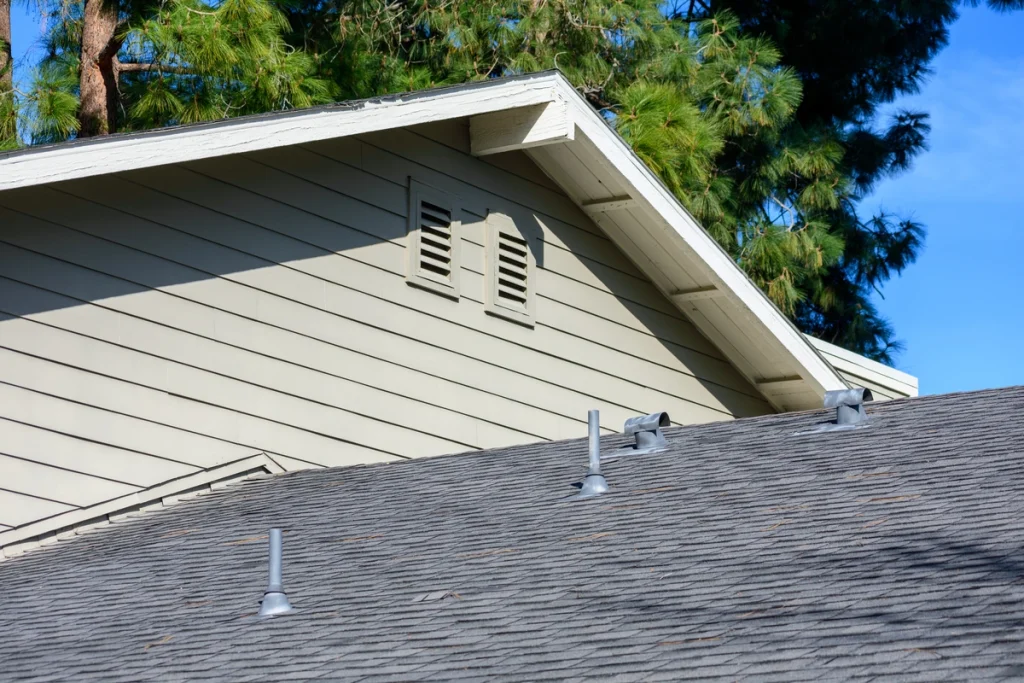
 The importance of roof vents to a property is frequently overlooked and undervalued by most property owners. As a homeowner, you should be aware that, in addition to your roof, gutters, sidings and windows, roof vents are an important part of property defense.
Roof vents aid in the protection of structures in a variety of ways. They help to extend the life of the roof, regulate internal temperatures, and lower energy costs. Structures will also be protected against rot damage if they have a well-ventilated attic.
Key Takeaways
- Roof ventilation is essential, not optional, it directly impacts roof lifespan and energy efficiency.
- A well-ventilated attic protects against moisture, mold, and wood rot, especially in climates with seasonal extremes.
- Roof vents help regulate indoor temperatures, making your home more comfortable year-round and reducing strain on HVAC systems.
- Proper ventilation can lower utility bills, especially during hot summers and cold winters.
- Ignoring attic ventilation can lead to premature roof damage, costly repairs, and avoidable energy loss.
Why Roof Vents Are Important? (5 Reasons)
Here are 5 reasons why properly placed roof ventilation is vital to protect homes against costly roof repairs.
Additionally, roof ventilation systems are crucial for maintaining home efficiency and preventing damage.
1. Increases Energy Efficiency
The cost of cooling a home is reduced when the attic and roof are properly ventilated. Proper attic ventilation reduces the workload on air conditioning systems by lowering attic temperatures, preventing costly repairs. Additionally, attic insulation is crucial for maintaining a well-ventilated attic and ensuring energy efficiency. It’s no secret that the temperature inside rises in tandem with the temperature outside. Your air conditioner will have to work harder if your attic isn’t properly ventilated. Your home’s cooling and heating costs can be reduced with proper ventilation.
2. Prevents Ice Damming
If you live in a snowy region, efficient attic ventilation can help prevent ice dams from forming. Cold air intake is crucial for maintaining optimal temperatures in the attic, which helps prevent ice dams. Ice dams form when warm air reaches the roof deck and melts snow on the roof. This melted snow may run off your roof and cause ice dams on the overhangs of your home.
3. Increases Roof’s Lifespan
Inadequate roof and attic ventilation can severely reduce roof longevity. Hot attics caused by non-ventilated roofs can harm wood framing, rafters, underlayment, and other roof components. Proper roof ventilation, including the use of exhaust vents, allows hot, humid air to escape, extending the life of your roof. Ridge vents are also crucial in maintaining effective roof ventilation by allowing hot air and moisture to escape efficiently from the peak of the roof.
4. Prevents Condensation, Mold, and Rot
Warm, humid air is produced in your home by a variety of activities. Without a vapor barrier, moisture climbs to the ceilings of your home and ends up in your attic. Intake vents allow cooler air to enter the attic, pushing out hot air and ensuring proper airflow. Introducing fresh air through intake vents to replace stale air in the attic is crucial for maintaining a healthy home environment and optimizing energy efficiency. Condensation occurs when warm air comes into contact with a cold surface, such as the underside of your roof. An unhealthy mold and mildew-inducing environment might result from this “trapping” of air.
5. Reduces Indoor Temperature Extremes
Temperature extremes are avoided with proper ventilation. It allows hot air to escape while also allowing cool air to enter. Powered attic vents help remove stale air from the attic, but they can increase energy costs and may not always be the best solution. Roof louvers serve as exhaust vents that allow warm, moist air to escape from the attic. Your heating and cooling bills will be higher if your attic is overheated. In general, proper ventilation will make your home more pleasant throughout the year.

Seasonal Ventilation Concerns in Maryland & Virginia
Roof ventilation isn’t just a summer concern — it plays a crucial role all year round, especially in the Mid-Atlantic climate. Maryland and Virginia experience hot, humid summers and cold, damp winters. These seasonal extremes create unique challenges for attic ventilation that every homeowner should understand.
Summer: Heat + Humidity = Roof Stress
During the summer months, attics in Maryland and Virginia can reach temperatures over 140°F. Combine that with the region’s high humidity, and you get a perfect storm of problems:
- Trapped heat bakes your shingles from the inside, shortening their lifespan.
- Humidity builds up, leading to condensation on rafters and roof sheathing. A common cause of mold and mildew.
- Cooling costs skyrocket, as your HVAC system fights to balance the heat radiating from above.
Tip: Homes without adequate ridge or soffit vents often suffer the most during July and August.
Fall: The Ideal Time for a Ventilation Check
Autumn is often overlooked, but it’s one of the best times to inspect and improve your roof’s ventilation:
- Temperatures are moderate, making it easier to detect subtle moisture issues.
- Fallen leaves can clog gable or ridge vents, restricting airflow just before winter.
- A pre-winter inspection ensures your attic stays dry and balanced through colder months.
Winter: Ice Dams & Moisture Build-Up
In colder months, poor ventilation can lead to ice dams. A common issue in hilly areas of Maryland and western Virginia:
- Warm attic air melts snow on the roof.
- The runoff refreezes at the eaves, creating ice dams that back up under shingles.
- This can result in roof leaks, mold growth, and damaged insulation.
Even in milder areas like Virginia Beach or Southern Maryland, moisture from poorly ventilated attics can rot wood framing and encourage mold growth.
Spring: Moisture Recovery Mode
Spring rains and thawing snow can leave behind excess moisture in your attic. Without proper ventilation, this can lead to:
- Persistent condensation
- Damp insulation that loses effectiveness
- Unseen mold behind walls or ceilings
Spring is the right time to assess how well your ventilation handled winter. Look for water stains, musty smells, or any signs of mold, then address issues before summer heat returns.
Don’t Let the Seasons Catch You Off Guard
Roof ventilation is not a one-season job. In Maryland and Virginia, where weather changes drastically throughout the year, a well-balanced ventilation system is your roof’s first line of defense.
When it comes to some of the important factors that protect your home, ARCH Exteriors LLC is here to help! We provide high-quality replacement windows, siding installation, and door replacement. To schedule an appointment, please call (301) 215-2343. You may also request a free estimate by completing our contact form.
FAQ’s
Is a roof vent necessary?
Yes, a roof vent is essential for maintaining the health and efficiency of your home. Proper ventilation allows hot, humid air to escape from your attic in the summer, reducing the risk of shingle damage, mold growth, and high cooling bills. In the winter, it helps prevent condensation and ice dams, which can lead to leaks and wood rot. Without ventilation, your roofing system ages faster and becomes more vulnerable to structural issues. So even if it’s not required by code, it’s a smart investment in long-term protection.
How do I know if my attic ventilation is bad?
There are several warning signs that suggest your attic may not be ventilating properly. You might notice your upstairs rooms feel hotter than the rest of the house during summer, or you might spot mold, mildew, or a musty smell in the attic. Curling or cracked shingles are another indicator, as is the formation of ice dams in the winter. If your energy bills seem unusually high or your insulation appears damp or ineffective, poor ventilation could be the cause.
How many roof vents do I need?
The number of vents your roof needs depends on the total square footage of your attic and the style of your roof. A commonly recommended guideline is one square foot of ventilation for every 300 square feet of attic space, assuming a balanced system of intake and exhaust vents. However, every home is different, so it’s best to have a roofing professional assess your attic and calculate the ideal number and type of vents based on your specific layout and climate.
Are ridge vents better than box vents?
Ridge vents and box vents each serve a purpose, but ridge vents are often preferred for their continuous coverage and clean appearance. Installed along the peak of the roof, ridge vents allow for consistent airflow across the entire attic space, which can improve energy efficiency and moisture control. Box vents, which are smaller and installed in specific areas, may be more suitable for smaller roofs or as supplemental ventilation. The best option depends on your roof’s design and attic layout.


