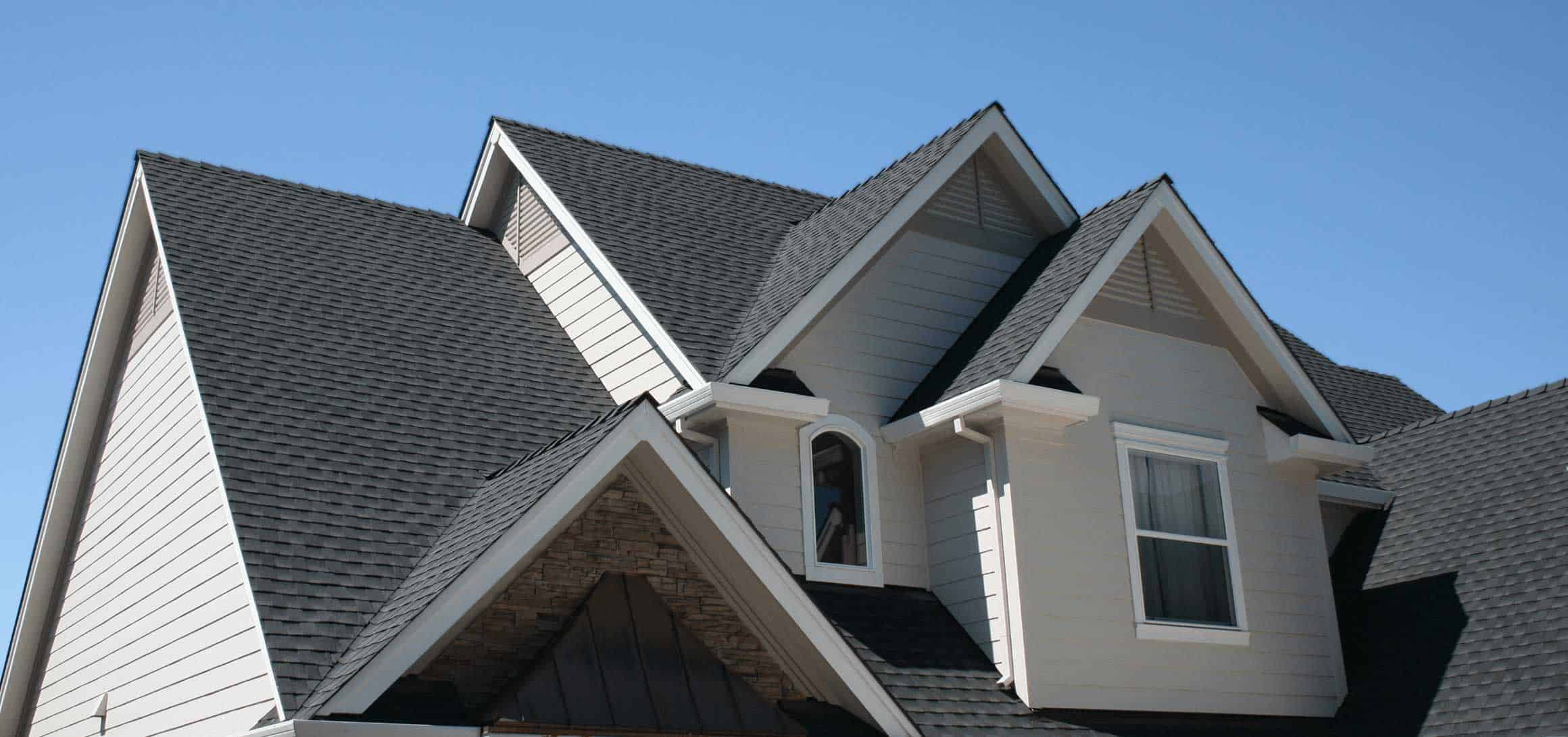
6 Reasons Why Roof Ventilation Is Highly Important
 6 minutes
 September 16, 2025
 Proper roof ventilation is one of the most overlooked aspects of home maintenance, yet it plays a crucial role in protecting your property and keeping your family comfortable year-round. Without adequate airflow in your attic space, you could face costly repairs, higher energy bills, and even health concerns down the road.
Understanding how roof ventilation systems work and why they matter can save you thousands of dollars in potential damage. Whether you’re dealing with ice dams, excessive moisture, or skyrocketing cooling costs, proper ventilation addresses these issues at their source.
This comprehensive guide will cover:
- Why roof ventilation matters for your home’s health
- Six critical reasons proper ventilation is essential
- Signs your current system needs attention
- How to improve your home’s ventilation performance
🤔 What Roof Ventilation Is

Roof ventilation is a system designed to create a continuous flow of air through your attic space. It works by allowing fresh air to enter your attic while letting hot, stale air escape. This airflow is typically achieved through a combination of intake vents, such as soffit vents, and exhaust vents, like ridge or gable vents.
The primary purpose of roof ventilation is to regulate the temperature and moisture levels in your attic. By allowing air to circulate, it helps maintain a balanced environment within the attic space. Proper roof ventilation is an essential part of a home’s overall structure, ensuring that the attic remains functional and free from issues caused by trapped heat or moisture.
Types of Roof Ventilation Systems
- Ridge Vents: These vents are installed along the peak of a roof and allow warm, humid air to escape from the attic’s highest point. They are often paired with soffit vents for optimal airflow.
- Soffit Vents: Located under the eaves of the roof, soffit vents draw cool air into the attic, promoting proper circulation as warm air exits through higher vents.
- Gable Vents: Mounted on the walls near the peak of the roof, gable vents help ventilate by allowing air to flow out horizontally.
- Roof Turbines: Also known as whirlybirds, these vents spin with the wind to extract heat and moisture from the attic space efficiently.
- Box Vents: These static vents, placed directly on the roof, offer a cost-effective solution to allow hot air to escape without requiring moving parts.
- Powered Attic Vents: These use electric or solar-powered fans to actively expel air, often used in areas with high humidity or heat.
🔎 6 Critical Reasons Why Roof Ventilation Is Essential

Proper roof ventilation prevents moisture buildup, which can lead to mold and structural damage. It also helps regulate indoor temperatures, improving energy efficiency and extending the lifespan of your roof.
1. Prevents Ice Dam Formation
Ice dams form when warm air melts snow on your roof, which then refreezes at the gutters. This creates a barrier that prevents proper drainage and can cause water to back up under your shingles.
Proper ventilation keeps your attic temperature consistent with outside conditions, preventing the uneven melting that leads to ice dams.
- Maintains uniform roof temperature during winter
- Reduces risk of water damage from ice dam backup
2. Controls Moisture and Prevents Mold Growth
Excess moisture in your attic creates ideal conditions for mold and mildew growth. This moisture comes from daily activities like cooking, showering, and even breathing.
Without adequate ventilation, this humid air gets trapped and can lead to serious health concerns and structural damage.
- Removes humid air before it can cause problems
- Protects wood framing and insulation from moisture damage
3. Extends Roof Material Lifespan
Extreme temperatures and moisture are the biggest enemies of roofing materials. Proper ventilation helps regulate these conditions, significantly extending the life of your shingles, underlayment, and decking.
High attic temperatures can cause shingles to deteriorate prematurely, leading to costly replacements.
- Reduces thermal stress on roofing materials
- Prevents premature aging of shingles and other components
4. Improves Energy Efficiency
A well-ventilated attic reduces the workload on your HVAC system throughout the year. During summer, it prevents heat buildup that forces air conditioners to work harder. In winter, it maintains proper insulation performance.
This improved efficiency translates directly to lower monthly energy bills.
- Reduces cooling costs by up to 15% during peak summer months
- Maintains insulation effectiveness year-round
5. Enhances Indoor Air Quality
Poor attic ventilation can affect the air quality throughout your entire home. Trapped pollutants, excess humidity, and temperature imbalances can create uncomfortable living conditions.
Proper airflow helps maintain consistent indoor environmental conditions.
- Prevents humidity-related air quality issues
- Supports overall home comfort and health
6. Protects Against Structural Damage
Moisture buildup in your attic doesn’t just create mold problems—it can cause serious structural damage over time. Wood rot, compromised insulation, and damaged electrical systems are common results of poor ventilation.
These repairs can cost thousands of dollars and may not be covered by standard homeowner’s insurance.
- Prevents wood rot in rafters and decking
- Protects insulation from moisture damage
⚠️ Signs Your Home Needs Better Ventilation

Recognizing ventilation problems early can save you significant money and hassle. Here are the most common warning signs that indicate your system needs attention:
Summer Warning Signs:
- Excessively hot upstairs rooms despite adequate air conditioning
- Higher than normal energy bills during cooling season
- Visible heat waves rising from your roof surface
Winter Warning Signs:
- Ice dams forming along roof edges and gutters
- Frost or condensation visible in attic spaces
- Icicles hanging from gutters and eaves
Year-Round Concerns:
- Musty odors coming from upstairs areas
- Peeling paint on exterior walls near the roofline
- Curling or damaged shingles before their expected lifespan
If you notice any of these issues, it’s time to have your ventilation system evaluated by roofing professionals.
🏠 Take Action to Protect Your Home
Proper roof ventilation isn’t just about comfort—it’s about protecting your most valuable investment. From preventing costly ice dam damage to reducing energy bills, adequate airflow through your attic space delivers benefits that compound over time.
Don’t wait until you’re dealing with expensive repairs or health concerns. A professional evaluation can identify ventilation issues before they become major problems.
Ready to ensure your home has proper roof ventilation? Contact ARCH Exteriors today for a comprehensive assessment of your current system. Our experienced team will identify any issues and recommend solutions that fit your budget and needs.