


Asphalt Shingle Roofing Granules: Complete Guide (2025)
 6 minutes
 June 30, 2021
 Ever noticed gritty particles collecting in your gutters or scattered around your driveway? That subtle sign could be your roof sending out a distress signal. These particles are more than just debris — they’re roofing granules, and they play a critical role in shielding your home.
Asphalt roofing granules may be small, but they serve as your roof’s first line of defense against sun, rain, wind, and even fire. In this guide, we’ll uncover what roofing granules actually do, how long they last, why losing them could spell trouble—and what to do about it before small signs lead to big problems.
Key Takeaways
- Asphalt roofing granules protect shingles from UV damage, water infiltration, and fire.
- Granules also enhance the roof’s appearance and extend its lifespan.
- Some granule loss is normal, especially for new roofs, but widespread loss is a red flag.
- You can’t replace granules; when they wear off, it’s usually time for repairs or replacement.
- Maryland’s climate makes annual roof inspections especially important.

What Are Roofing Granules?
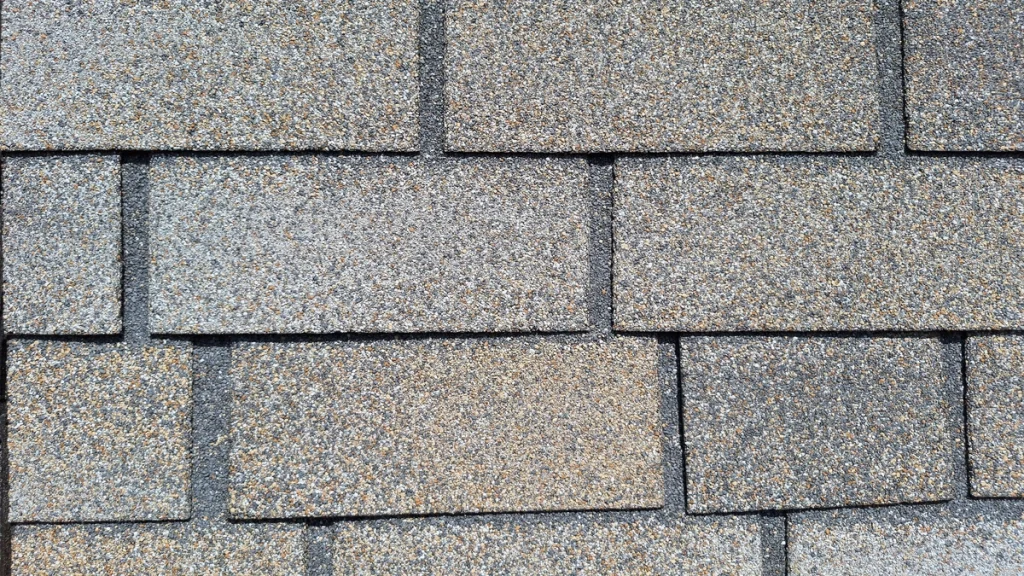
Asphalt roofing granules are tiny mineral particles embedded into the surface of asphalt shingles. They’re usually made from crushed stone, slag, or ceramic-coated minerals and are applied during the manufacturing process. Granules are what give asphalt shingles their texture and color, but their role is far more functional than cosmetic.
These small granules act as a protective armor for your roof, safeguarding it against harmful UV rays, water intrusion, and physical wear. Without granules, the asphalt underneath would deteriorate quickly under sun exposure and moisture.
What Do Granules Do? (Benefits)
- UV Protection: Granules protect the underlying asphalt from sun damage. Without them, shingles would dry out, crack, and deteriorate much faster.
- Fire Resistance: Granules act as a fire retardant, making your roof more resistant to external fire threats like embers from wildfires or nearby flames.
- Waterproofing Enhancement: They shield the asphalt layer from water and physical abrasion, helping maintain the shingle’s waterproof qualities.
- Color & Aesthetic Appeal: Granules come in various colors to enhance curb appeal and allow homeowners to choose roofs that match their style.
- Impact Resistance: Granules add an extra layer of protection against hail, falling debris, and foot traffic during maintenance.
How Long Do Asphalt Granules Last?
Typically, asphalt shingles last between 15 and 30 years, and roofing granules are engineered to hold up for most of that time. However, several factors can impact their lifespan:
- Weather: Extreme heat, heavy rain, snow, and hail can all accelerate wear.
- Poor Ventilation: Trapped heat in the attic can break down shingles from underneath.
- Roof Slope: Flat or low-slope roofs tend to wear faster.
- Installation Quality: Poor workmanship shortens the lifespan significantly.
What Does Granule Loss Look Like?
Recognizing granule loss early can save you from costly repairs. Here are the telltale signs:
- Bald Spots: Areas where the granules have worn off, exposing the black asphalt underneath.
- Shiny or Smooth Patches: These are worn spots reflecting sunlight where granules have come loose.
- Gutter Debris: A significant amount of granules collected in gutters or downspouts is cause for concern.
- Discoloration: Patches of faded or inconsistent color across your roof could indicate thinning granules.
Can You Repair Granule Loss?
Granule loss is a sign that your shingles are aging or damaged, and unfortunately, it can’t be reversed. Since granules are applied during the manufacturing process, you can’t simply reattach or replace them on existing shingles. But depending on the extent of the damage, you do have options.
| Condition | Recommended Action | Urgency | Explanation |
|---|---|---|---|
| Granules in gutters after install | No action needed | Low | Expected settling in first few months. No risk to roof health. |
| Small area of missing granules | Spot shingle replacement | Medium | If isolated and rest of roof is sound, this is a quick fix. |
| Widespread granule loss | Full roof replacement | High | Shingles are aging and no longer protective. |
| Granule loss + curling/cracking shingles | Full roof replacement | High | Combined damage likely compromises roof integrity. |
| Granule loss with leaks | Full roof replacement | Critical | Leaks confirm failure; delaying repairs risks costly structural damage. |
How to Extend the Life of Your Shingles
Taking care of your roof can help your granules last longer. Here are proactive steps homeowners can take:
- Annual Roof Inspections: Identify issues early before they turn into expensive repairs.
- Keep Gutters Clear: Clogged gutters lead to standing water, which can seep under shingles.
- Trim Overhanging Branches: Prevent damage from falling limbs and reduce shade that encourages moss growth.
- Ensure Proper Ventilation: Attic fans and vents help keep temperatures stable, reducing premature shingle aging.
Granule Wear in Maryland and Virginia
As a roofing company based in Maryland and Virginia, Arch Exteriors has seen firsthand how regional weather patterns accelerate granule loss.
In Maryland, humid summers, frequent thunderstorms, and occasional ice storms put constant stress on roofing materials. In coastal areas like Annapolis or Baltimore, salty air and high winds can wear down granules faster, especially on older roofs.
In Northern Virginia, extreme temperature swings between seasons and heavy spring rainstorms increase the likelihood of granule erosion. In rural and suburban areas like Leesburg, Reston, and Fairfax, tree cover can lead to trapped moisture and moss growth—both of which accelerate shingle wear and granule loss.
Why This Matters for Homeowners:
- Freeze-thaw cycles in winter cause roof surfaces to expand and contract, loosening granules.
- Storm debris (branches, leaves) can physically scrape off granules or clog gutters, causing water backup.
- Sun exposure is intensified on south-facing roofs, especially in areas without shade, increasing UV-related granule breakdown.
What You Can Do:
- Schedule roof inspections after major storms or snow events.
- Clean out gutters in spring and fall to prevent pooling water.
- Trim nearby trees to prevent abrasion and reduce mold or algae.
Whether you’re in Bethesda, Rockville, Alexandria, or Arlington, staying proactive with roof maintenance can make all the difference. Arch Exteriors offers customized roofing solutions based on the specific climate conditions of your area.
Roofing Granules vs. Algae or Moss – Know the Difference
Many homeowners mistake dark streaks or green buildup for granule loss.
- Granule loss appears as bald patches, usually gray or shiny where the asphalt is exposed.
- Algae appears as dark streaks and is common on shaded, humid sections of roofs.
- Moss is green, thicker, and fuzzy in texture. It retains moisture and damages shingles over time.
Tip: Algae and moss can often be cleaned professionally; granule loss, on the other hand, signals actual material wear.
When Should I Be Concerned About My Roof’s Granules?
Roofing granules may seem small, but their job is anything but. They’re the protective armor of your shingles shielding your home from harsh sunlight, heavy rain, hail, and even fire. Ignoring granule loss can lead to leaks, higher energy bills, and costly structural damage.
Whether you’re seeing granules in your gutters, noticing patchy shingles, or just want peace of mind, taking action early is key. Regular inspections and timely repairs can save you thousands down the line.
Contact Arch Exteriors for a free, no-pressure inspection and get personalized advice from a local team that understands the unique weather challenges in Maryland and Virginia. Let’s make sure your roof stays beautiful, functional, and protected for years to come.


