


Window Seal Repair: 7 Signs You Need It & 2026 Price Guide
 11 minutes
 November 6, 2025
 Most homeowners do not think about their window seals until a problem becomes impossible to ignore. By then, the damage has usually been quietly driving up energy costs and letting in moisture for months. Window seal repair is one of the most impactful and underappreciated forms of home maintenance, and knowing when to act can save you from far more expensive repairs down the road. If you are starting to notice changes in how your windows look or perform, exploring your window options can help clarify whether repair or something more is the right call.
Here is what this guide covers:
- Why window seal repair matters for your home’s comfort and efficiency
- 7 clear signs your seals are failing
- The difference between the two types of window seals and how each is repaired
- 2026 pricing for common repair and replacement scenarios
- How to decide between repairing and replacing your windows
Why Window Seal Repair Should Be on Every Homeowner’s Radar

A failed window seal is easy to dismiss as a cosmetic issue, especially when the only visible sign is a little fog between the panes. But seal failure affects your home in ways that go well beyond appearance. The seals in your windows are doing active work around the clock, and when they stop functioning properly, the effects show up in your energy bills, your indoor comfort, and eventually your walls and window frames.
Homeowners in Howard County and surrounding areas deal with a climate that puts real stress on window components. Humid summers, cold winters, and the freeze-thaw cycles in between accelerate the wear on seals that might last longer in more temperate regions. Staying ahead of seal failure in this environment is not just good practice; it is a practical investment in the long-term health of your home.
- Preserved sound insulation: Double and triple-pane windows provide acoustic performance because of the insulating gas and multiple glass layers. When the seal between panes fails and ordinary air replaces the gas fill, that soundproofing drops noticeably.g walls or trim.
- Lower energy costs: Intact seals keep conditioned air inside and outdoor air out. When seals fail, your heating and cooling systems work harder to compensate, which shows up directly in your monthly utility bills.
- Moisture protection: Failed seals allow humid air to reach window frames, wall cavities, and sills. That moisture creates ideal conditions for mold growth, wood rot, and long-term structural damage that is expensive to reverse.
- Consistent indoor comfort: Drafty windows and cold spots near window edges are almost always a sign of weatherstripping seal failure. Repairing seals restores the thermal barrier that makes rooms comfortable throughout the year.
- Extended window lifespan: Addressing seal failure early protects the frame and glass unit from the secondary damage that moisture and air infiltration cause over time. A timely repair can add years to a window that would otherwise need full replacement.
7 Signs You Need Window Seal Repair
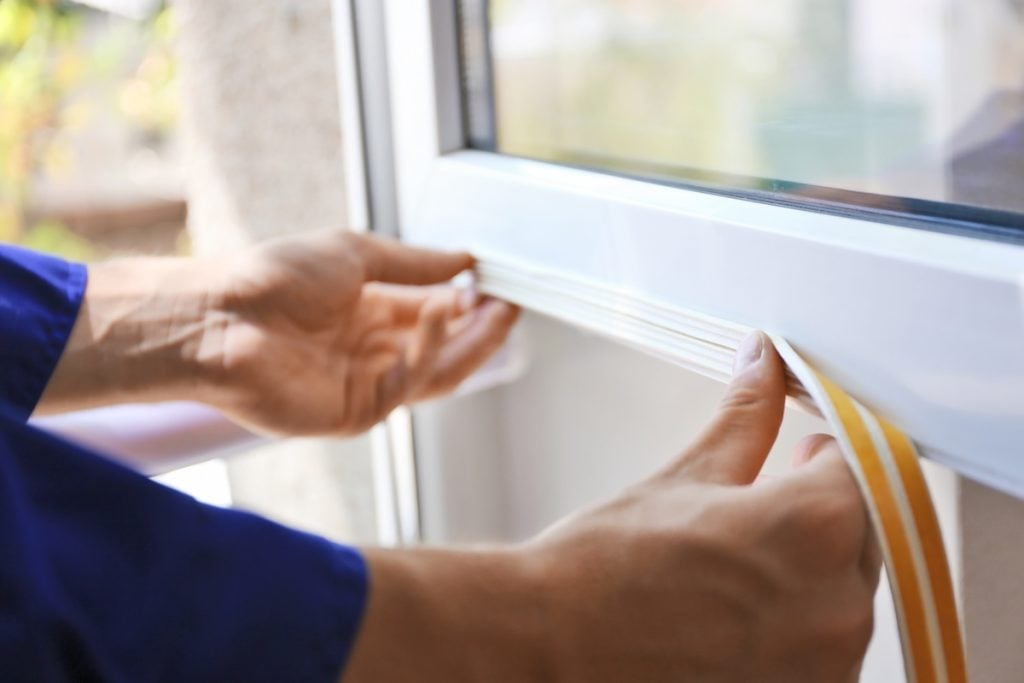
Seal failure does not always announce itself the same way. Some signs are immediate and obvious. Others develop gradually and are easy to attribute to something else until they are understood for what they are. Working through all seven of these indicators gives you the most accurate picture of where your windows stand.
Before going through the signs, it helps to understand that windows have two distinct types of seals. The IGU seal holds the insulating gas between the panes of a double or triple-pane window. The weatherstripping seal runs around the perimeter of the window sash and frame. Each type fails differently and is repaired differently, so identifying which type has failed is the first step toward the right solution.
1. Fog or Condensation Trapped Between the Panes
Condensation or fog visible between the glass panes is the clearest and most reliable indicator of IGU seal failure. When the seal breaks, humid outside air enters the space between the panes. As temperatures shift, that moisture condenses on the interior glass surfaces where it cannot be wiped away.
- The fog appears between the glass layers, not on the inside or outside surface of the window
- It often worsens in the morning and may partially clear as outdoor temperatures rise
- Once fogging is visible, the insulating gas has already escaped and the window’s thermal performance has dropped significantly
2. Noticeably Higher Energy Bills
IGU seal failure does not always produce visible condensation. When argon or krypton gas leaks from the sealed unit and is replaced by regular air, the window looks completely clear but has lost much of its insulating value. If your energy bills have climbed without a rate increase or change in usage habits, failed window seals may be drawing more work out of your HVAC system than you realize.
- Compare your bills from the same billing period in prior years to look for a trend
- Rising costs that track with your heaviest heating or cooling months are a strong signal
- A professional energy audit can confirm whether window performance is the contributing factor
3. Drafts Near Windows That Are Fully Closed
If you feel airflow near a window that is locked and fully closed, the weatherstripping seal around the sash has failed. Unlike IGU failure, this is a perimeter problem that affects the gap between the moving parts of the window and the frame. Weatherstripping replacement is typically a straightforward and cost-effective repair that restores the seal without requiring any work on the glass unit itself.
- Run your hand slowly around the window edge on a cold or windy day to feel for air movement
- A thin strip of tissue held near the frame edge will visibly deflect if air is passing through
- Drafts present across multiple windows suggest weatherstripping has reached end of life throughout the home
4. Visible Cracks, Shrinkage, or Gaps in the Sealant
Inspect the bead of sealant that runs along the edges of the glass, around the frame perimeter, and where the window meets the exterior wall. Cracked, shrunken, or missing sealant is a direct entry point for both air and water. Homeowners in Howard County and surrounding areas should include this check as part of a spring and fall exterior inspection, since seasonal temperature extremes are the most common driver of sealant deterioration.
- Gaps at the corners of the frame are where sealant failure most commonly begins
- Discoloration or bubbling near the sealant line can indicate that moisture has already breached the barrier
- Small gaps addressed early are a simple repair; gaps left unattended allow water into the wall framing behind the window
5. Water Stains or Mold at the Window Perimeter
Moisture working through a failed seal does not always produce visible condensation. Often it travels behind the interior trim, runs down the wall framing, or saturates the sill before becoming apparent. Water staining, bubbling paint near the window edge, or mold growth at the sill or trim are all signs that water has been entering consistently and the seal has been compromised for some time.
- Staining that returns after cleaning indicates an ongoing moisture source rather than a past incident
- Mold at the window corners or sill is a sign that humidity levels in the wall cavity have been elevated
- Any sign of moisture inside the wall assembly means the repair window is narrowing before structural work becomes necessary
6. Reduced Noise Insulation
Double and triple-pane windows provide meaningful soundproofing because the insulating gas between the panes slows the transmission of sound waves, in addition to heat. When the IGU seal fails and regular air replaces the gas fill, that acoustic buffer is reduced along with the thermal performance. A window that previously felt quiet but now lets in noticeably more street noise, traffic, or outdoor sound is worth having inspected for seal failure.
7. Difficulty Opening, Closing, or Locking the Window
A window that was previously easy to operate but has become stiff, warped, or misaligned may have sustained moisture damage at the frame level as a result of seal failure. When water enters through a compromised seal repeatedly, it causes wood frames to swell and can warp vinyl or aluminum frames over time. A window that no longer sits squarely in its opening or does not lock properly without forcing it is showing signs of structural impact beyond the seal itself.
Your Repair Options Explained
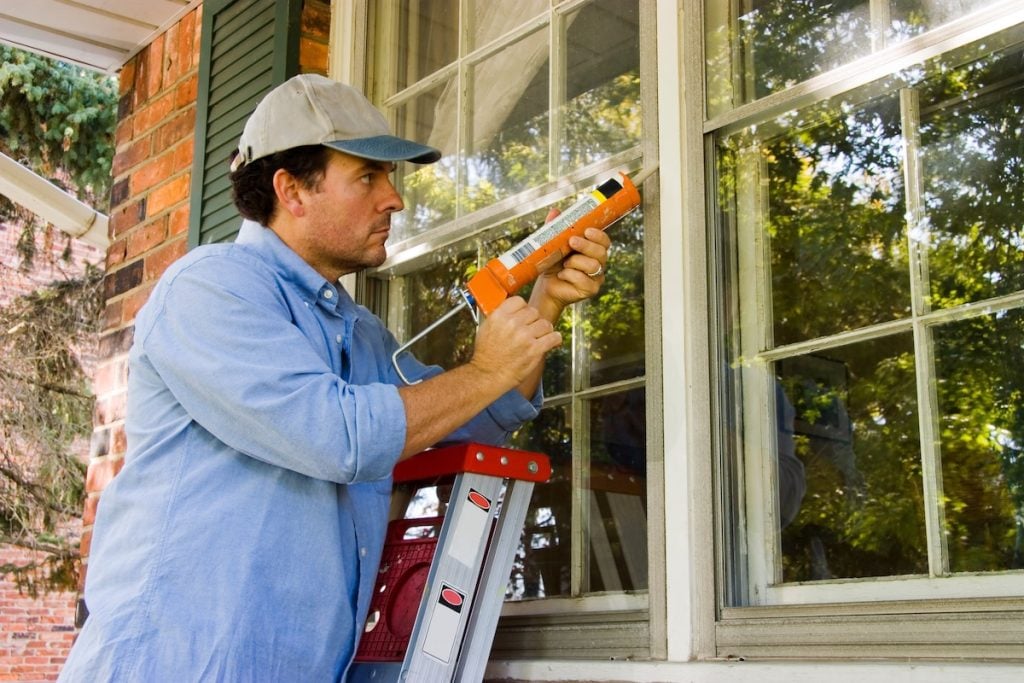
Knowing which type of seal has failed determines which repair is appropriate. Homeowners in Howard County and surrounding areas who get a clear answer to that question before collecting estimates will be far better positioned to compare bids accurately and avoid paying for work that does not address the actual problem.
Weatherstripping Replacement
When the perimeter seal between the sash and the frame has failed, the solution is weatherstripping replacement. New material is applied around the sash perimeter, restoring the airtight barrier at the movable parts of the window. This is among the more accessible window repairs and can often extend the useful life of an otherwise sound window by several years without touching the glass unit.
IGU Replacement
When the sealed glass unit itself has failed, the panes and the gas fill between them need to be replaced as a unit. The existing frame stays in place and a new IGU is installed within it. This repair addresses both fogging and gas fill loss and is the appropriate solution when the frame is structurally intact and the failure is limited to the glass unit. IGU replacement costs more than weatherstripping repair but significantly less than replacing the full window.
Full Window Replacement
When the frame is warped, rotted, or compromised by moisture damage, when failures are occurring across many windows at once, or when the windows are old enough that further failures are likely within the near term, full replacement becomes the better long-term investment. Modern replacement windows come with current-generation seals, improved energy ratings, and warranty coverage that repaired older units cannot match.
DIY vs. Professional Repair
Weatherstripping replacement is a manageable DIY task for homeowners with basic tools and some patience. IGU replacement requires precise glass handling, correct sealant application, and proper seating of the unit in the frame. Errors in any of those steps can compromise the new seal immediately, turning a repair into a repeat expense. For anything beyond weatherstripping, professional installation is the more reliable and cost-effective route over time.
2026 Window Seal Repair Pricing and the Repair vs. Replace Decision
Repair costs in 2026 reflect both material increases and labor market conditions that have shifted since previous guides were written. Understanding the current ranges helps you evaluate estimates accurately and decide where your budget is best spent.
Weatherstripping replacement typically runs between $75 and $225 per window in 2026, depending on window size, type, and the material used. IGU replacement for a standard double-pane window generally falls between $175 and $450 per window including labor. Full window replacement represents a larger investment but carries the performance benefits and warranty coverage that repair options cannot provide.
| Situation | Recommended Approach | 2026 Cost Range |
| Drafts with sound frame and glass | Weatherstripping replacement | $75 to $225 per window |
| Fogging or gas loss, intact frame | IGU replacement | $175 to $450 per window |
| Warped or rotted frame | Full window replacement | $350 to $1,200 per window |
| Multiple windows failing at once | Full replacement project | Lower per-window cost at scale |
| Windows 20-plus years old | Full replacement | Best long-term investment |
The general principle holds across all price points: repair makes the most sense when the failure is isolated, the frame is structurally sound, and the window has meaningful life remaining. Replacement becomes the smarter financial decision when the frame is compromised, when multiple windows are failing simultaneously, or when the cost of repeated repairs is likely to approach replacement cost within a few years.
Homeowners planning a larger window project should also factor in the federal Energy Star tax credit, which currently allows a credit of up to 30 percent of the cost of qualifying replacement windows, up to $600 per year. That credit can meaningfully offset the premium between a repair and a higher-performing replacement.
Get an Honest Assessment from ARCH Exteriors
Window seal failure is one of those problems that tends to cost more the longer it goes unaddressed. A fogged window today is a moisture-damaged frame next season and a more involved repair the season after that. Acting early keeps the options open and keeps the costs manageable.
ARCH Exteriors works with homeowners throughout Howard County and surrounding areas to diagnose window seal issues accurately and recommend the solution that actually fits the situation. We do not push toward replacement when repair is the right call, and we do not recommend repair when the evidence points clearly toward replacement. Every estimate is itemized and explained so you understand exactly what you are paying for before any work begins.
When you are ready for a professional opinion on what your windows need, contact us today to schedule a free evaluation with the ARCH Exteriors team.


