


Insulated Vinyl Siding: Energy Savings & 8 Benefits
 5 minutes
 November 11, 2025
 When considering exterior upgrades for your home, choosing the right material can make a significant difference in comfort and savings. Insulated vinyl siding has emerged as a popular option for homeowners seeking a durable, energy-efficient, and aesthetically pleasing solution. This material not only enhances your home’s curb appeal but also plays a crucial role in reducing energy costs year-round. For those looking to learn more about ways to improve their exterior, exploring options for professional exterior siding can provide valuable insights.
- Understand what insulated vinyl siding is and how it works
- Discover the key benefits of insulated vinyl siding
- Learn the installation steps involved for effective results
- Explore maintenance tips that prolong siding life
- Compare insulated vinyl siding with traditional siding options
Why Insulated Vinyl Siding Matters for Your Home
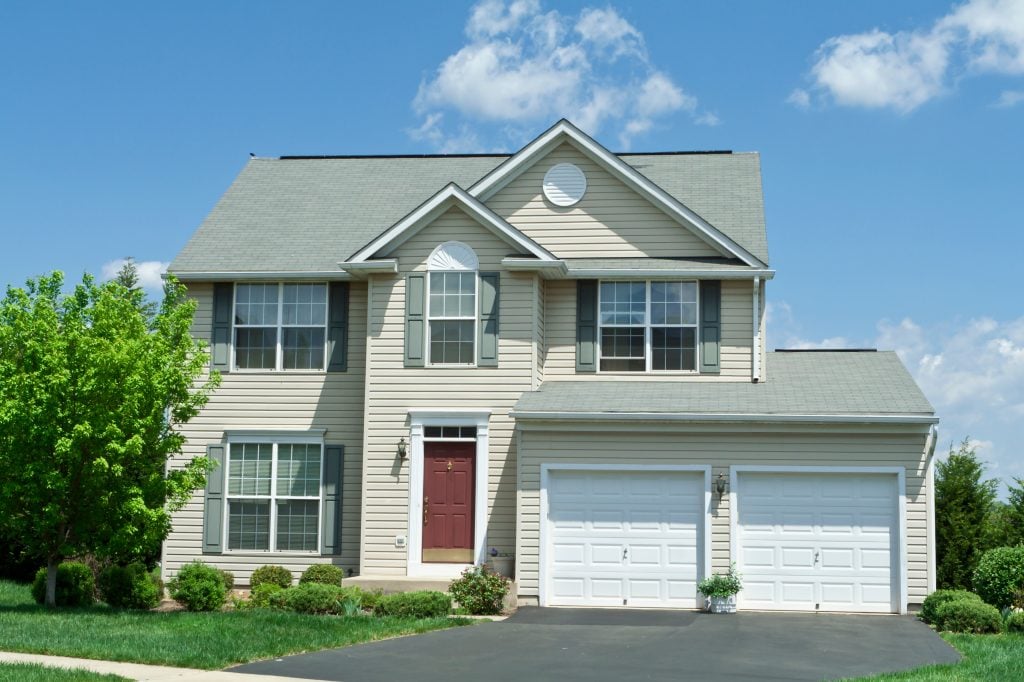
Choosing the right siding impacts much more than appearance. The incorporation of insulation directly into vinyl siding products addresses concerns that many homeowners face, such as energy waste and exterior durability. Understanding the significance of insulated vinyl siding helps in making an informed decision that benefits your home’s performance over time.
8 Key Benefits of Insulated Vinyl Siding
- Energy Efficiency: The built-in insulation minimizes heat loss and gain, helping stabilize indoor temperatures.
- Lower Utility Bills: Better temperature control means reduced heating and cooling costs year-round.
- Improved Comfort: The insulation helps eliminate drafts and cold spots throughout your home.
- Noise Reduction: The added insulation absorbs exterior sounds, keeping your interior quieter.
- Enhanced Durability: The rigid foam backing increases strength and impact resistance.
- Curb Appeal: Insulated vinyl siding offers a sleek, uniform finish that maintains its look for years.
- Moisture Resistance: The tight seal helps prevent water infiltration, protecting the structure underneath.
- Increased Home Value: With improved performance and appearance, homes with insulated siding often see higher resale value.
4 Steps to Installing Insulated Vinyl Siding Properly
The installation of insulated vinyl siding requires precision to ensure it offers the maximum benefits. Below are the essential steps homeowners and professionals follow for a successful project.
1. Inspection and Preparation
Before installation, the existing exterior walls are thoroughly inspected. This step ensures that no underlying damage, such as rot or mold, compromises the siding’s effectiveness. Preparation also involves cleaning and measuring the walls accurately to determine material requirements.
- Check for structural issues and moisture damage
- Remove old siding if necessary
- Ensure wall surfaces are clean and dry
2. Installing a Weather-Resistant Barrier
Adding a weather-resistant barrier beneath the siding is crucial. This layer protects the home from moisture intrusion and helps enhance energy efficiency by sealing gaps and reducing drafts.
3. Attaching the Insulated Panels
Insulated vinyl siding panels come with rigid foam backs that provide insulation and rigidity. Installers carefully attach these panels starting from the bottom upward, making sure each panel locks securely in place.
- Use corrosion-resistant nails or fasteners
- Maintain consistent spacing for expansion and contraction
- Ensure panels fit tightly to avoid gaps
4. Sealing and Finishing Touches
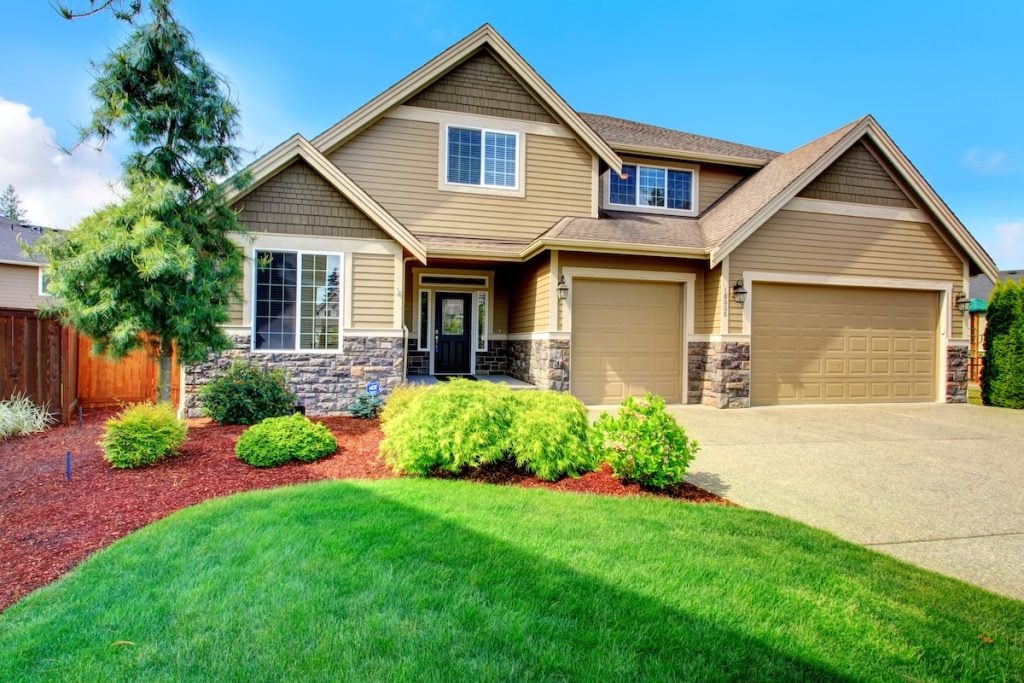
After the siding is fully installed, seams and edges are sealed to prevent air and water intrusion. Trims around windows, doors, and corners are added with finishing details that enhance the home’s appearance.
Enhancing Your Home’s Performance with Insulated Vinyl Siding
In addition to installation, there are ways to maximize the advantages you gain from insulated vinyl siding. Small actions and considerations can have a lasting impact on your home’s efficiency and curb appeal.
Regular Inspection and Cleaning
Keeping the siding clean from dirt, debris, and potential mold will maintain its insulating properties and aesthetic value over time. Use gentle cleaning solutions and soft brushes to avoid damaging the vinyl surface.
Pairing with Complementary Exterior Upgrades
Combining insulated vinyl siding with insulated windows and upgraded doors helps create a continuous thermal envelope around your home, yielding even greater energy savings.
Color and Finish Choices
Selecting lighter colors can reflect sunlight, which is beneficial in warmer climates, while darker tones retain heat in colder areas. Modern insulated siding comes in a variety of textures and finishes that can match any architectural style.
Comparing Insulated Vinyl Siding to Other Options
While traditional vinyl siding remains a popular choice, insulated vinyl siding offers distinct advantages worth considering. Below is a comparison to help illustrate how it stands out.
| Feature | Traditional Vinyl Siding | Insulated Vinyl Siding |
| Energy Efficiency | Minimal to none | High due to foam backing |
| Durability | Good but flexible | Enhanced rigidity and impact resistance |
| Noise Reduction | Limited | Significant reduction in outside noise |
| Cost | Lower upfront cost | Higher initial investment |
| Maintenance | Easy to clean | Similar cleaning with extra longevity |
Overall, insulated vinyl siding proves to be a superior investment, balancing upfront cost with long-term savings and performance. Homeowners throughout regions including Charlotte and surrounding areas find it particularly advantageous given seasonal temperature variations and the need for energy conservation.
Ready to Upgrade with Insulated Vinyl Siding?
The benefits of insulated vinyl siding extend beyond mere aesthetics, offering tangible energy savings, improved comfort, and increased home value. For those prepared to enhance their exterior with this innovative siding option, consulting with a professional installer is the next step. To get started on transforming your home’s exterior, feel free to contact us today at Arch Exteriors for expert advice and a personalized quote.


