

Siding Contractor in Ijamsville, MD
Siding Replacement For Homeowners in Maryland & Virginia
ARCH Exteriors is a trusted siding contractor based in Ijamsville, MD, providing professional siding replacement throughout Maryland and Virginia. Our experienced team delivers durable, beautiful results backed by quality workmanship and customer-first service.
 Customized exterior options for any budget
 Lifetime warranties on all products
 Partnered with CertainTeed vinyl siding


Premium Vinyl Siding Products From CertainTeed

CertainTeed has been a trusted name in home exterior products for more than a century. Enjoy the comfort and peace of mind of knowing your home’s new siding is backed by a lifetime warranty and the latest in vinyl siding technology. As a premier siding contractor, ARCH Exteriors, LLC offers:
- CertainTeed CedarBoards™ Insulated Siding. Get the look and feel of natural wood with rigid foam insulation and soundproofing capabilities. Choose from five different styles and 18 distinctive colors.
- CertainTeed Monogram® Siding. CertainTeed’s Monogram® line offers the widest color selection in the vinyl siding industry—43 colors in three styles. Make your home beautiful for years to come!
Insulated vinyl siding from CertainTeed is durable, low-maintenance and can provide the look of natural wood but with the enhanced protection of innovative products.
Trusted by Homeowners Across Maryland & Virginia
Real stories from Ijamsville, Urbana, and beyond. See why Maryland & Virginia families choose ARCH Exteriors for their siding replacement.


ARNOLD C.


JILLIAN M.

WHITNEY H.
SIDING REPLACEMENT DONE RIGHT
ARCH Exteriors delivers siding replacement with craftsmanship you can see and protection you can trust. Serving homeowners across Maryland and Virginia, we focus on long-lasting results, clear communication, and a smooth experience from start to finish.
What you can expect:
-
Meticulous prep work and clean finishing details
-
Durable materials built for local weather
-
Siding + trim package options for a complete exterior upgrade
-
Digital design previews and 3D renderings to help you visualize the finished look

See Our Siding Replacement Process in Action
We make siding replacement simple and stress-free. From the first inspection to final cleanup, our team follows a proven process designed to protect your home and deliver long-lasting curb appeal. Watch the video below to see what you can expect when you choose ARCH Exteriors.
Moisture Barrier & Insulation: What’s Behind Your Siding Matters
A quality siding replacement is more than just new siding. It’s about protecting your home from moisture and improving performance from the inside out. During every siding replacement project, our team follows a careful process to ensure your home is properly sealed, protected, and energy-efficient.
Our process includes:
- Removing old siding and materials
- Inspecting the sheathing for damage or rot
- Installing a moisture barrier to protect against water intrusion
- Adding insulation to improve energy efficiency (when applicable)
- Sealing seams and vulnerable areas for long-term durability
- Applying new siding for a clean, finished look
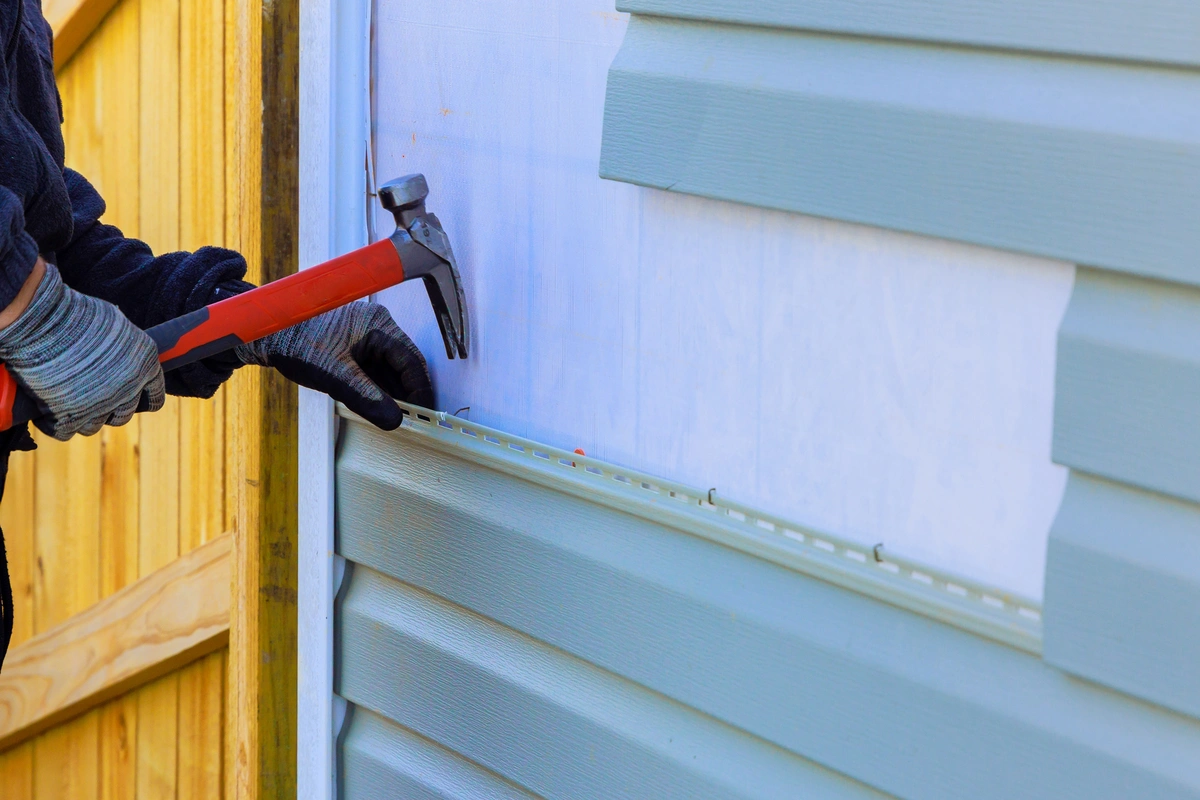
Best Siding Options for Maryland & Virginia Homes
Vinyl Siding
Low-maintenance siding that holds up well in humid, rainy conditions.
-
Resists moisture
-
Cost-effective option
-
Low maintenance
-
Many colors/styles
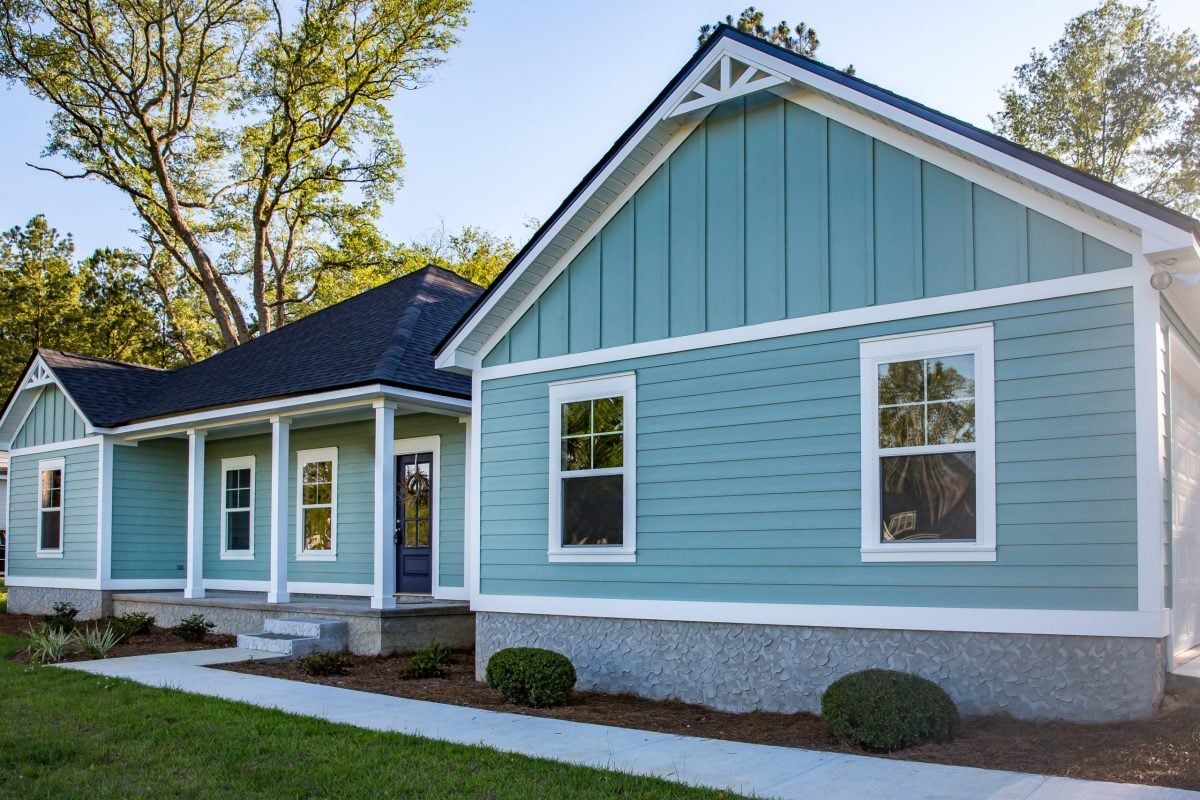
Fiber Cement Siding
A premium option known for durability and long-term performance.
-
Extremely durable
-
Fire-resistant
-
Handles humidity well
-
Long lifespan
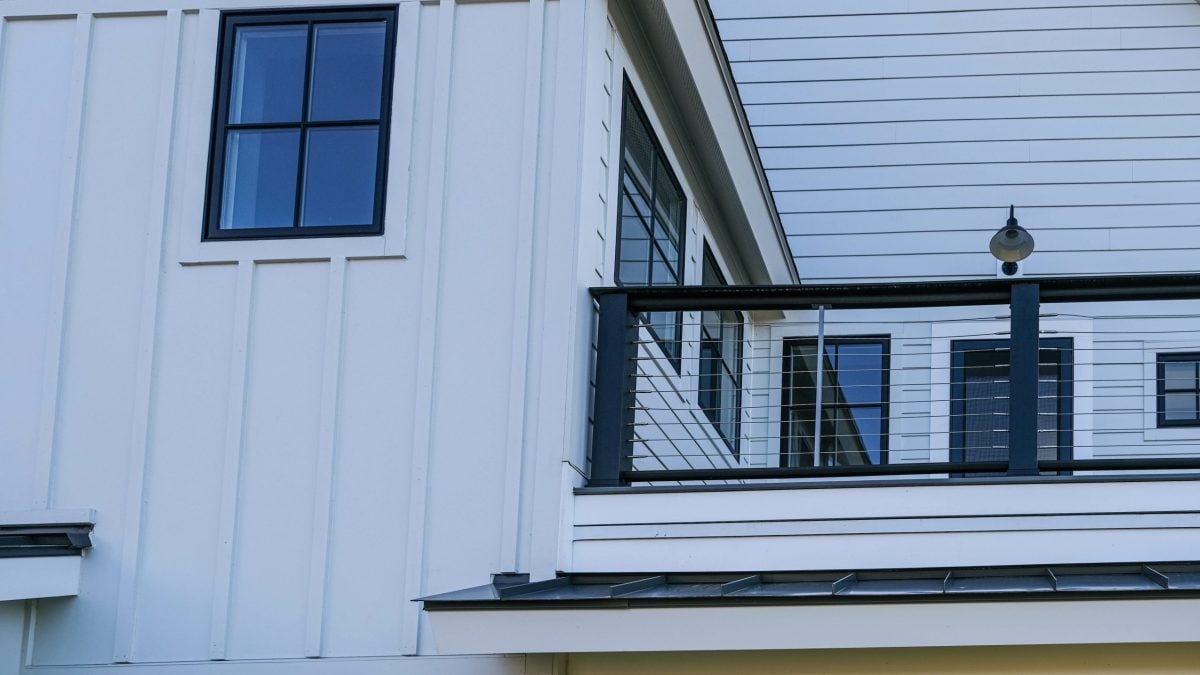
Wood Siding
Classic, natural curb appeal with flexible style options.
-
Natural look
-
Paintable or stainable
-
Good insulation value
-
Traditional appeal

Engineered Wood Siding
The look of wood with added durability and moisture resistance.
-
Lighter weight
-
Moisture-resistant
-
Durable performance
-
Cost-efficient
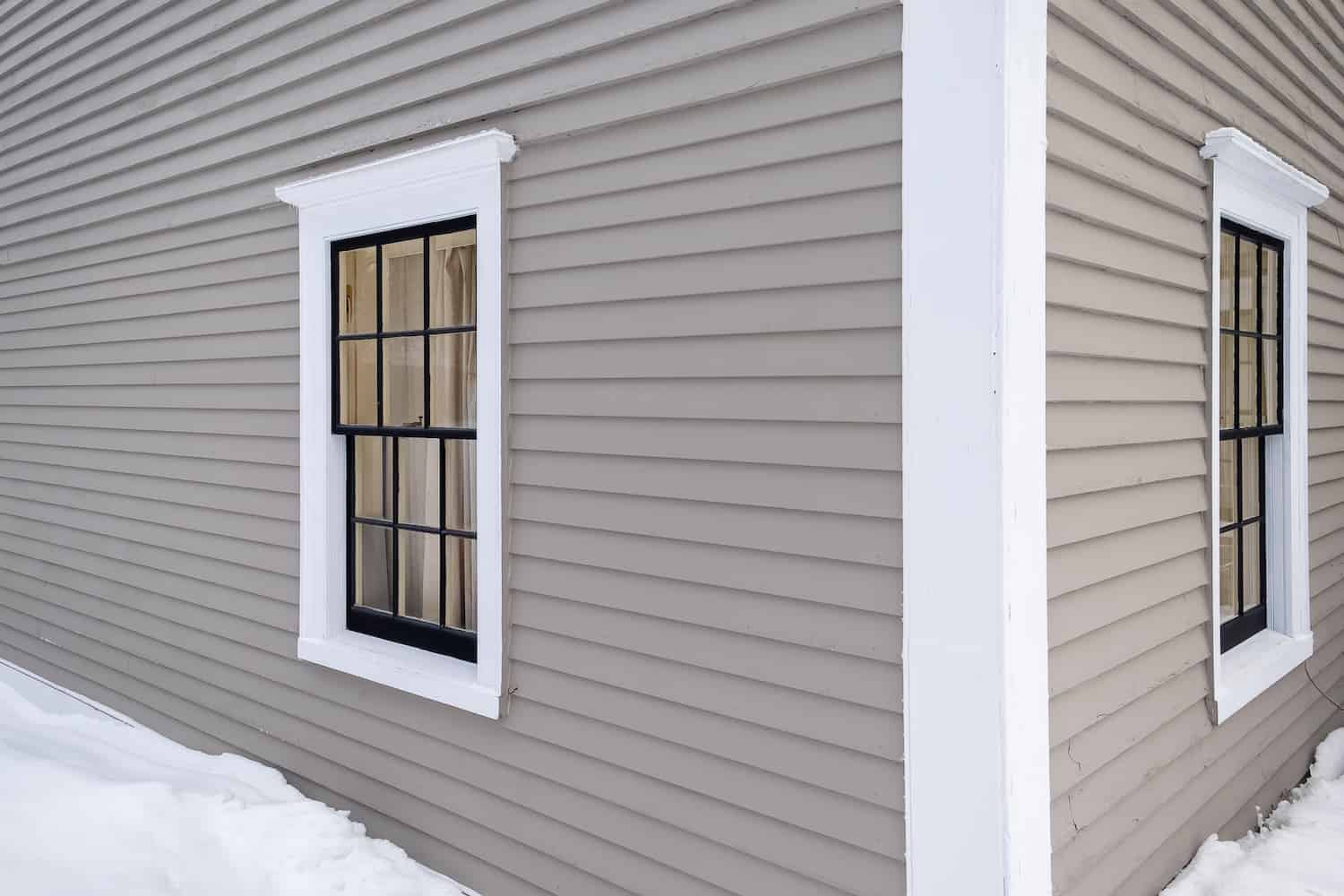
Metal Siding
A strong, low-maintenance choice built for storms and tough weather.
-
Strong and impact-resistant
-
Fire-resistant
-
Withstands storms
-
Low maintenance
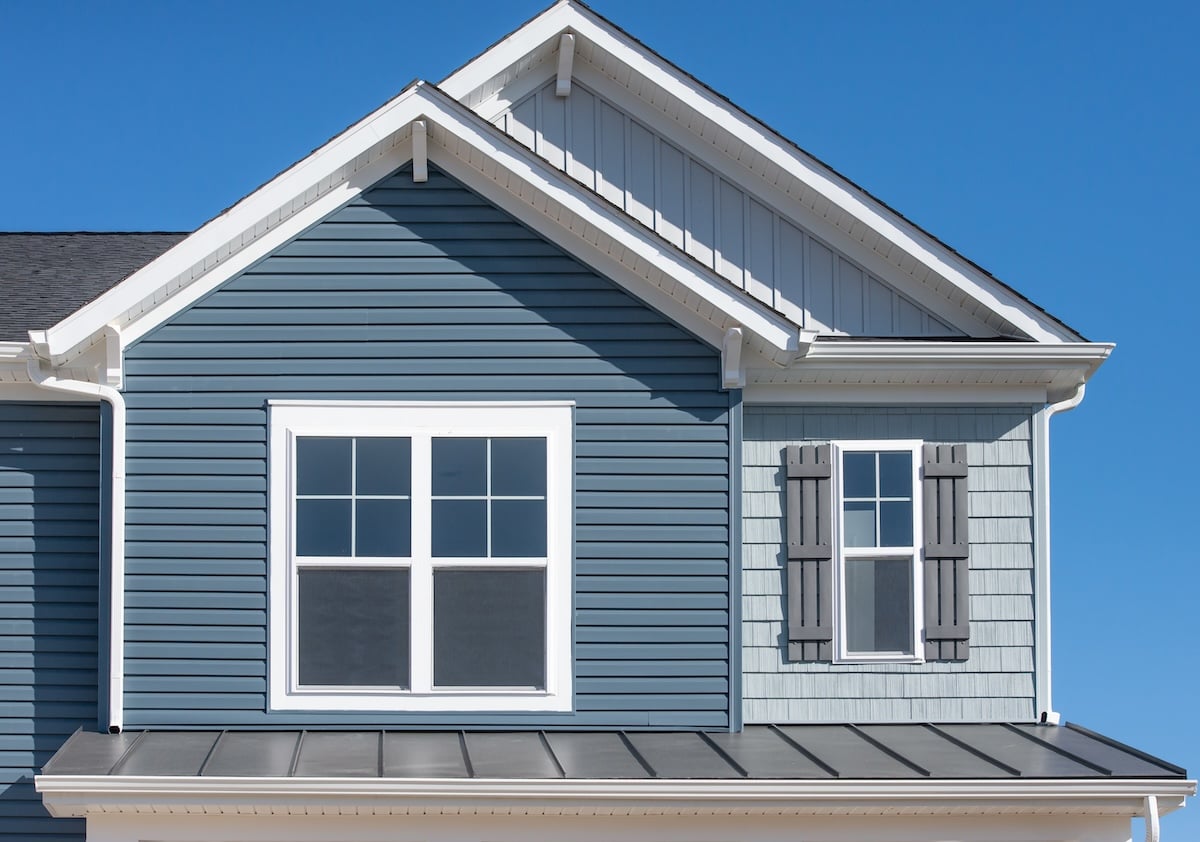
Stone Veneer
An upscale accent option that boosts curb appeal and home value.
-
Premium appearance
-
Weather-resistant
-
Durable material
-
Adds value
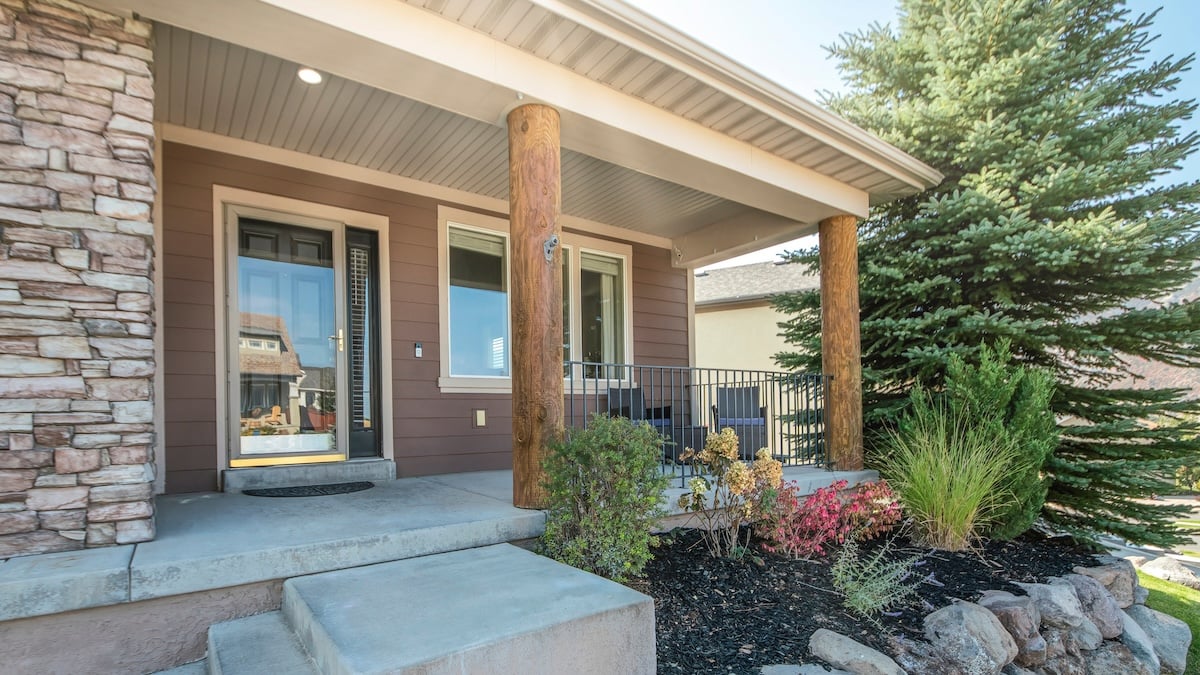
Siding Warranty & Maintenance
When you invest in siding replacement, you should feel confident it will last. Many siding systems we offer include lifetime material warranties, and they’re designed to be virtually maintenance-free. Making them an excellent long-term upgrade for Maryland and Virginia homeowners.
What you can expect:
- Lifetime material warranty on many siding products and systems
- Low-maintenance performance (no repainting required for most options)
- Easy cleaning with periodic rinsing to keep siding looking new
- Durable materials designed to resist moisture, fading, and weather exposure
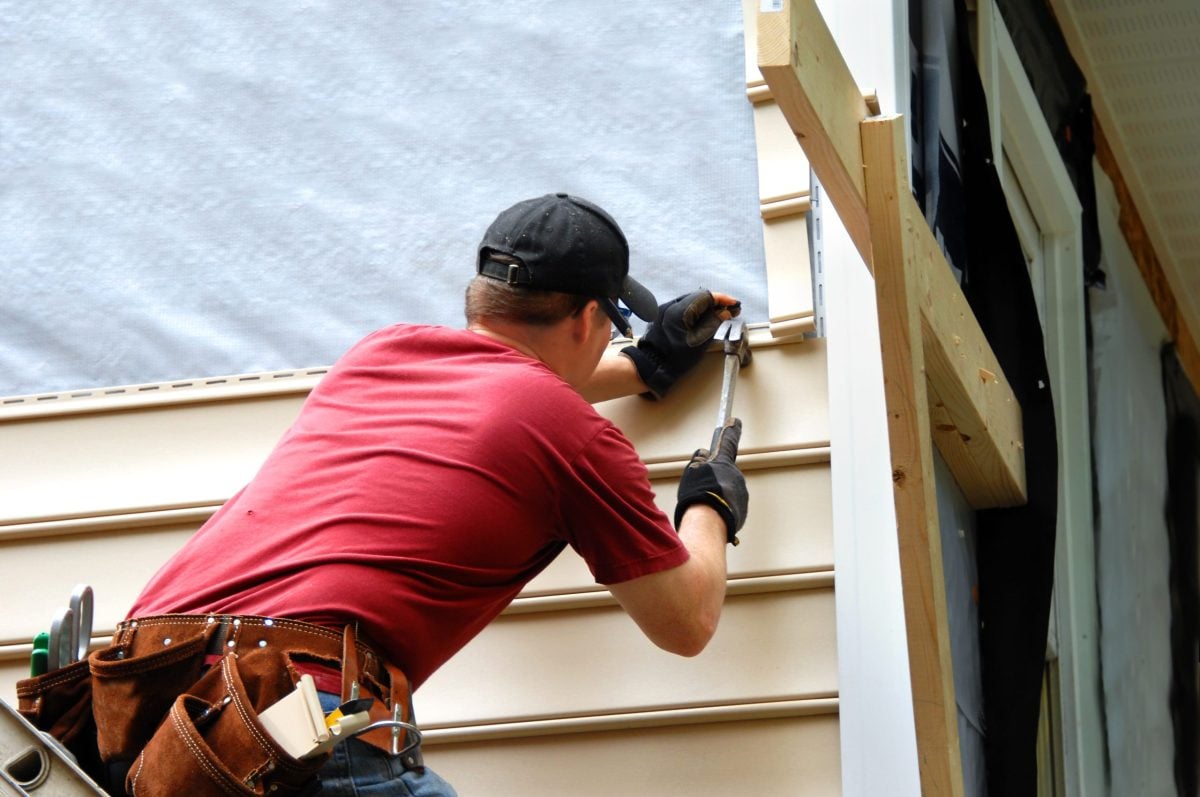
Professional Siding Replacement Across Maryland & Virginia
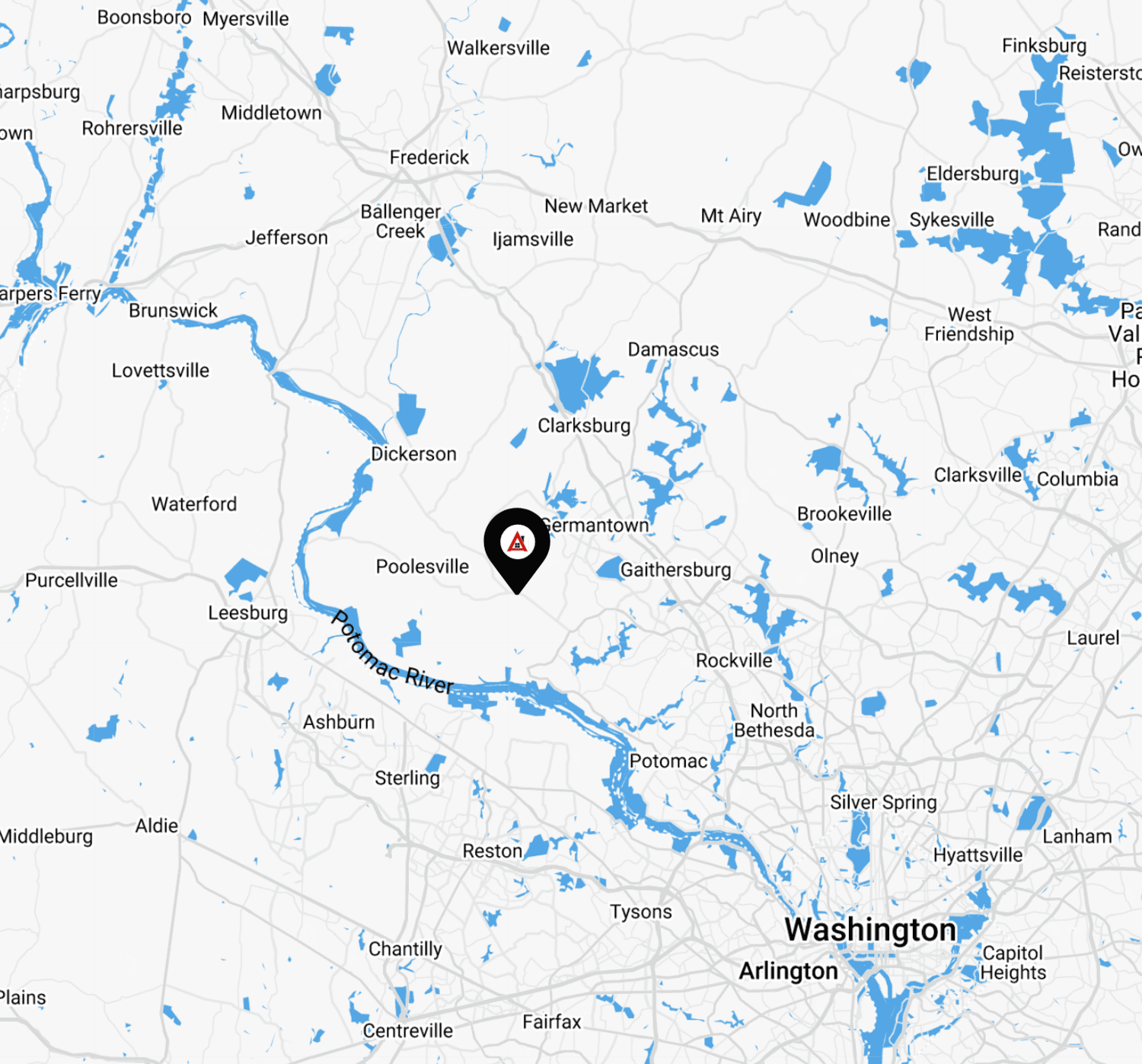
For professional siding replacement you can count on, trust ARCH Exteriors. Based in Ijamsville, MD, we proudly serve homeowners throughout Frederick County, Montgomery County, and nearby communities. Explore the map below to see if we serve your area.
Bethesda
Chevy Chase
Clarksburg
Damascus
Gaithersburg
Germantown
Laytonsville
Olney
Potomac
Rockville
Silver Spring

Clarksville
Columbia
Ellicott City
Sykesville
Woodbine

Adamstown
Alexandria
Ballenger Creek
Buckeystown
Frederick
Ijamsville
Jefferson
Libertytown
Middletown
Monrovia
Mount Airy
New Market
Urbana
Walkersville

Arlington
West Arlington
Tara
Addison Heights

Purcellville
Leesburg
Woodburn
Lansdowne
Ashburn
Belmont
Broadlands
Potomac Falls
Brambleton
Waxpool
Sterling
Dulles

Springfield
Herndon
Reston
Oak Hill
Floris
Great Falls
Wolf Trap
Tysons Corner
Dunn Loring
McLean
Vienna
Oakton
Falls Church

Laurel
Bowie
Clinton
Upper Marlboro

Catonsville
Cockeysville
Randallstown
Reisterstown
Timonium
Towson
FAQs
How much does a vinyl siding replacement project cost?
Replacing the siding on your home is one way to make a major transformation. Not only can it add curb appeal, but it will alleviate a lot of the maintenance required when dealing with older siding. A homeowner can expect a siding replacement to cost between $6,800.00 up to $58,000.00. Some things that will influence the overall cost will be:
- Siding Type
- Siding Profile
- Project Size
What to look for to determine if I need to replace my siding?
If are experiencing any of the following issues with your home's current siding it may be time to consider a replacement.
- Cracking/Warping: Wood siding is warping or cracking allowing water to get behind it.
- Rot: Siding is starting to rot due to prolonged exposure to elements.
- Maintenance: Siding is requiring more than just an annual cleaning, but painting and re-sealing.
- Leaking: Leaking inside the home due to siding failure.
How long will it take to get my siding installed?
A vinyl siding replacement project can be completed in 2 to 7 days depending on the type of siding used and the size of the project. A few other things that can affect how long it will take to complete a project will be site access, job complexity, existing on the home, soffit and facia being replaced, and any siding accessories being installed.
Which siding option should I use on my home?
Some siding options have better energy efficiency, others better aesthetics, and some more budget-friendly. These options include:
Siding Type
- Insulated Siding: Siding panels have an insulated foam panel attached directly to each piece from the manufacturer. This option provides the most energy efficiency. Also adding protection from impacts.
- Non-Insulated Siding: Providing some added energy efficiency. Siding thickness helps provide homes with a strong, stiff, and ridged surface to protect against all weather conditions.
Siding Profiles
- Horizontal Siding: Available in Dutch Lap, Clapboard, and Beaded profiles.
- Vertical Siding: A Board and Batten style option. Available in multiple widths.
- Vinyl Shake Siding: Authentic cedar shake finish. With straight, staggered, and half-round options to choose from.
Why Homeowners Choose ARCH Exteriors


We promise to provide you with expert siding solutions that suit your needs and budget. For more than a decade, our professional team has been delivering exterior services to the people of Maryland and Virginia. What you get when you work with us:
- Family-owned and operated business
- CertainTeed® Vinyl Siding Partner
- 24-hour turnaround time on phone calls


Recent Articles
Quit Wasting time and money with
terrible home contractors
