


2026 Guide to Fiber Cement Siding (Pros, Cons & Costs)
 9 minutes
 February 24, 2026
 Choosing new siding is one of the most important investments you can make in your home’s exterior. fiber cement siding continues to grow in popularity because it offers durability, curb appeal, and long term value. When paired with a complete exterior protection system, it can dramatically improve both performance and appearance. For homeowners in Frederick and surrounding areas, understanding the pros, cons, and costs of this material is essential before making a decision.
In this guide, you will learn:
- What makes fiber cement siding a top choice in 2026
- The major pros and potential drawbacks
- A realistic breakdown of installation costs
- How it compares to vinyl, wood, and engineered wood
- What to expect from installation and long term maintenance
Why Fiber Cement Siding Is a Smart Investment in 2026
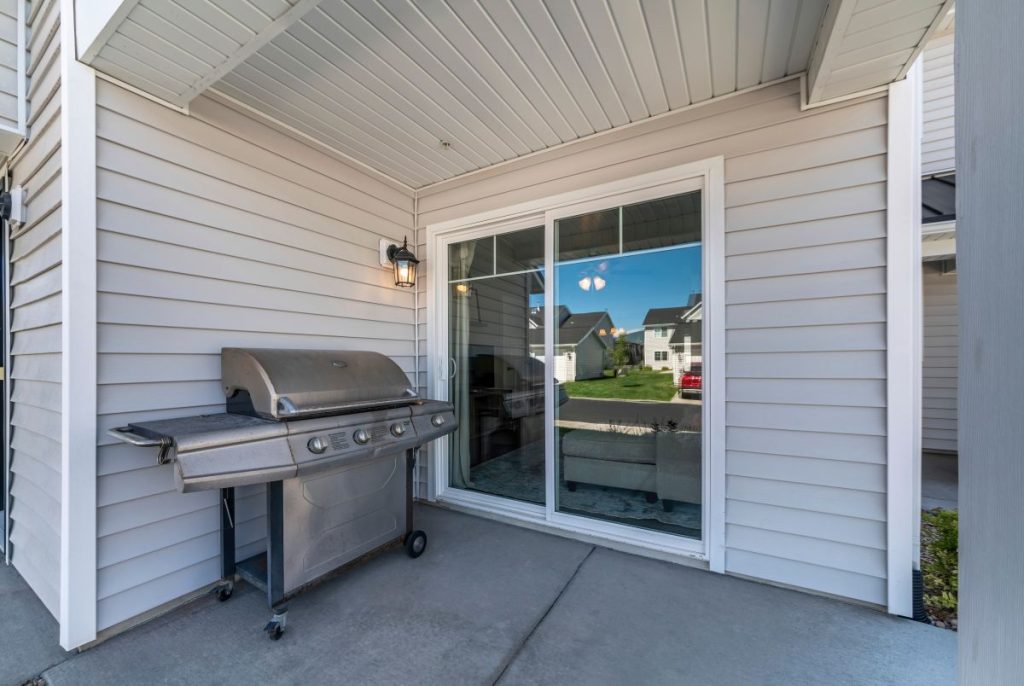
Homeowners today expect more from their exterior materials. They want durability, strong curb appeal, and long term performance without constant repairs. Fiber cement siding has earned its reputation because it meets those expectations in a wide range of climates.
In areas like Frederick and surrounding areas, homes must withstand humidity, seasonal storms, wind, and temperature swings. Fiber cement is specifically engineered to handle these challenges better than many traditional materials.
Here are several reasons it continues to stand out:
- Engineered Durability: Made from cement, sand, and cellulose fibers, it resists cracking, warping, and rotting over time.
- Moisture Performance: When properly installed with correct flashing and barriers, it helps defend against water intrusion.
- Fire Resistance: Because it is non combustible, it adds an extra layer of safety to your home’s exterior.
- Pest Resistance: Unlike wood, it is not vulnerable to termites or woodpecker damage.
- Long Lifespan: Many manufacturers rate their products to last 30 to 50 years with proper care.
For homeowners planning to stay in their property long term, fiber cement siding provides confidence that the investment will continue delivering value year after year.
5 Key Pros and Cons of Fiber Cement Siding
Before committing to a siding upgrade, it is important to evaluate both benefits and tradeoffs. Fiber cement siding offers impressive advantages, but understanding the full picture will help you make a confident decision.
Below are five essential factors to consider.
1. Pro: Exceptional Weather Resistance
Fiber cement is designed to perform in challenging conditions. In Frederick and surrounding areas, homes face rain, humidity, snow, and fluctuating temperatures throughout the year.
This material handles expansion and contraction better than many alternatives and maintains structural integrity in harsh weather.
Additional weather related strengths include:
- Strong resistance to hail impact compared to vinyl
- Stability during freeze and thaw cycles
- Secure performance in high wind conditions when installed correctly
2. Pro: Flexible Design and Curb Appeal
Modern fiber cement products are far from plain. Manufacturers offer textures and profiles that closely resemble natural wood or contemporary smooth finishes.
Homeowners can choose from:
- Traditional horizontal lap siding
- Board and batten for modern farmhouse appeal
- Shingle style panels for architectural accents
- Factory finished color options that resist fading
This design flexibility allows homeowners to enhance both traditional and modern architectural styles without sacrificing performance.
3. Pro: Long Term Value
Although the initial investment is higher than vinyl, fiber cement often proves cost effective over time. Its durability reduces the need for frequent repairs, and its longevity spreads the cost across decades.
Homeowners may also benefit from:
- Reduced maintenance expenses compared to wood siding
- Improved resale value due to premium appearance
- Potential insurance advantages related to fire resistance
For many families, the long term savings and added property value outweigh the upfront cost difference.
4. Con: Higher Upfront Cost
One of the main drawbacks is the initial price. Fiber cement siding typically costs more than vinyl in both materials and labor.
This is largely because:
- The boards are heavier and require more labor to handle
- Specialized cutting tools and safety precautions are required
- Installation demands greater precision and experience
While the upfront investment can be significant, many homeowners consider it worthwhile for the added durability and aesthetics.
5. Con: Professional Installation Is Critical
Fiber cement siding is not a material that should be installed casually. Proper spacing, fastening, sealing, and moisture management are essential for long term performance.
An experienced contractor ensures:
- Correct flashing around windows and doors
- Proper integration with trim and exterior systems
- Manufacturer guidelines are followed precisely
Improper installation can compromise performance, which makes selecting a skilled team especially important.
What Does Fiber Cement Siding Cost in 2026?
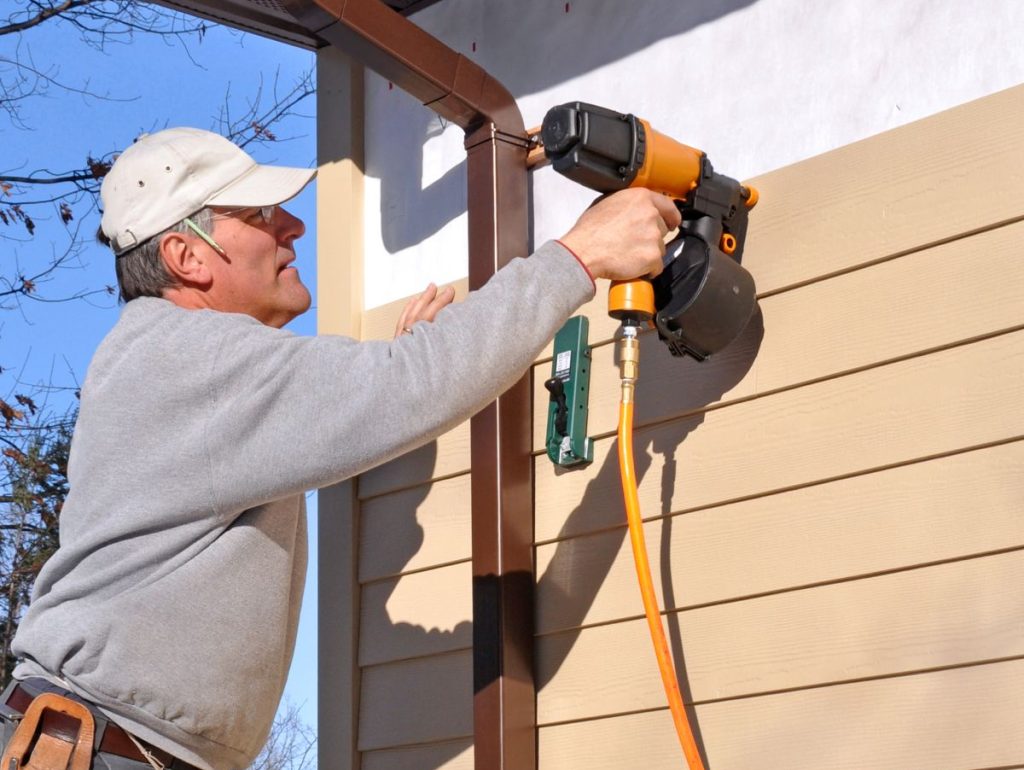
Budget planning is one of the most important steps in any exterior renovation. Fiber cement siding costs vary depending on home size, design complexity, and product selection.
In Frederick and surrounding areas, most homeowners can expect the following general pricing ranges.
Material Costs
Fiber cement siding materials typically range between $5 and $10 per square foot. The exact price depends on several factors.
These include:
- Texture and profile selection
- Thickness and product line
- Factory painted versus primed boards
Premium finishes and specialty architectural profiles will increase overall material costs.
Installation Costs
Installation usually adds $5 to $8 per square foot. Labor costs are higher compared to vinyl for several reasons.
Fiber cement boards are heavier and require multiple installers to position and secure them safely. Cutting the material produces silica dust, which requires proper safety measures. Detailed flashing and moisture control steps also demand extra time and precision.
Because of these requirements, professional installation is essential to protect your investment.
Total Project Range
For an average single family home, full installation costs often range from $15,000 to $30,000 or more, depending on square footage and customization.
Final pricing is influenced by:
- Removal and disposal of existing siding
- Repair of damaged sheathing or framing
- Upgraded trim or architectural details
- Home design complexity such as dormers or multiple gables
While the total cost can appear substantial, the combination of durability, lifespan, and resale value makes fiber cement siding competitive in the long run.
How Fiber Cement Compares to Other Siding Materials
Every siding material comes with its own advantages and limitations. Comparing options side by side can help clarify which solution aligns best with your goals.
Below is a breakdown of how fiber cement stacks up against common alternatives.
Fiber Cement vs. Vinyl Siding
Vinyl siding is widely used because of its affordability and ease of installation.
Fiber Cement Advantages:
- Greater resistance to impact damage
- Does not melt or warp under high heat
- More realistic wood grain appearance
Vinyl Advantages:
- Lower upfront cost
- Lightweight and faster installation
- No need for repainting
For homeowners focused on long term durability and premium aesthetics, fiber cement is often the preferred option.
Fiber Cement vs. Wood Siding
Wood siding offers natural beauty but requires consistent maintenance.
Fiber Cement Advantages:
- Resistant to rot and insect damage
- Less frequent repainting required
- Better fire resistance
Wood Advantages:
- Authentic natural material
- Easier to customize on site
- Classic appeal for certain home styles
Many homeowners choose fiber cement because it replicates the look of wood without the same vulnerability to moisture and pests.
Fiber Cement vs. Engineered Wood
Engineered wood siding attempts to bridge the gap between affordability and improved durability.
Fiber Cement Advantages:
- Longer established performance record
- Superior resistance to fire
- Lower risk of moisture related swelling
Engineered Wood Advantages:
- Lighter weight
- Often slightly lower cost
- Faster installation in some cases
Your final choice should reflect your budget, climate conditions, and how long you plan to remain in your home.
Installation and Maintenance Expectations
Understanding the installation process and maintenance requirements helps set realistic expectations before starting your project.
Fiber cement siding performs best when installed correctly and maintained with simple routine care.
The Installation Process
The process typically begins with removing existing siding and inspecting the underlying structure. Any damaged sheathing is repaired to ensure a solid foundation.
Next, installers apply a weather resistant barrier to help manage moisture. Fiber cement boards are then carefully measured, cut, and secured according to manufacturer specifications.
Because the boards are heavy and rigid, crews must maintain consistent spacing and alignment. Proper flashing around windows, doors, and trim is essential for long term protection.
Most projects in Frederick and surrounding areas take one to two weeks, depending on the size and complexity of the home.
Painting and Finishing
Many products come factory finished with baked on paint designed to last 10 to 15 years or longer. Primed boards require painting after installation.
Fiber cement holds paint well, which means repainting cycles are generally less frequent than with traditional wood siding.
Routine Maintenance
Maintenance is straightforward and manageable for most homeowners.
Recommended steps include:
- Annual visual inspections for cracks or impact damage
- Occasional cleaning with a garden hose to remove dirt
- Checking and refreshing caulk around trim as needed
Unlike wood siding, you will not need regular staining or sealing treatments.
Is Fiber Cement Siding Right for Your Home?
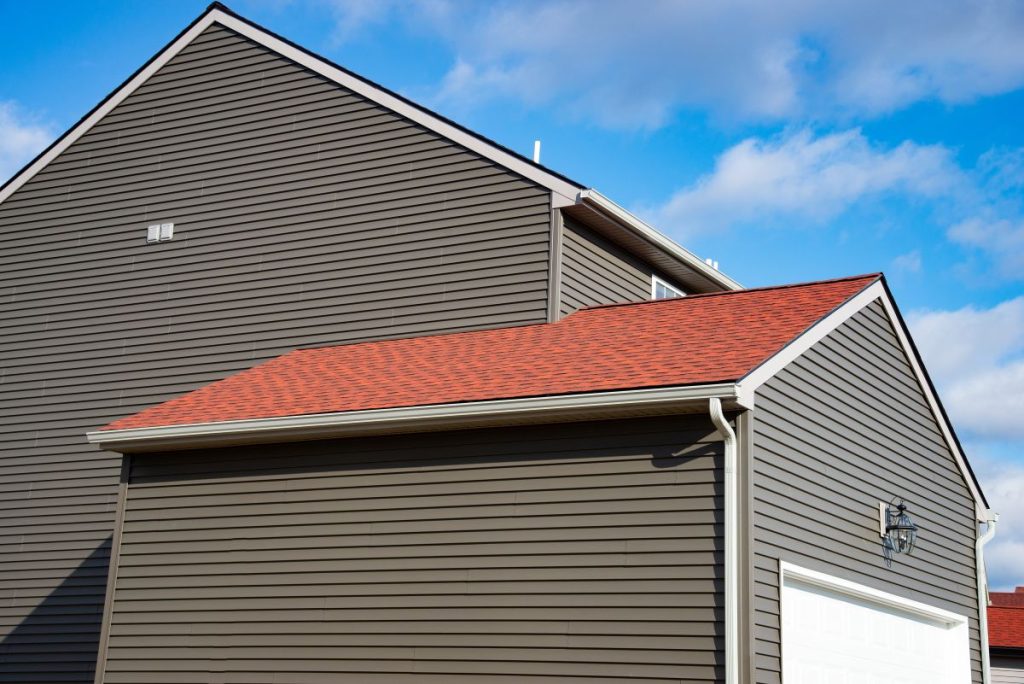
Choosing the right siding comes down to your priorities. Some homeowners prioritize minimizing upfront costs, while others focus on durability and long term value.
Fiber cement siding is often ideal for homeowners who plan to stay in their homes for many years and want a premium exterior appearance.
It may be a strong fit if you:
- Want enhanced curb appeal
- Prefer low maintenance compared to wood
- Live in a region with seasonal weather changes
- Are willing to invest more upfront for long term performance
For many properties in Frederick and surrounding areas, fiber cement siding provides a practical balance between resilience and visual appeal.
Ready to Upgrade Your Exterior?
Your siding plays a critical role in protecting your home, improving energy efficiency, and enhancing curb appeal. Fiber cement siding offers a durable and attractive solution that performs well in a range of weather conditions while delivering long term value.
If you are considering upgrading your exterior in Frederick and surrounding areas, the team at ARCH Exteriors is here to help. Our experienced professionals can evaluate your home, explain your options, and provide a detailed estimate tailored to your needs.
Take the next step toward a stronger and more beautiful home and contact us today to schedule your consultation with ARCH Exteriors.

