


Roof Warranty Guide: 4 Types, Coverage & What to Expect
 11 minutes
 August 25, 2026
 Most homeowners sign off on a new roof without fully understanding what the warranty actually covers. A roof warranty is not a blanket guarantee against everything that could go wrong. It is a legal document with specific terms, exclusions, and conditions that determine whether a claim will be honored years from now. Knowing the difference before your roof is installed puts you in a far stronger position than discovering the limitations after a problem develops. If you are evaluating your options, learning what a properly installed roofing system involves is a smart starting point before signing anything.
Here is what this guide covers:
- Why roof warranties matter and what makes them differ from each other
- The 4 main types of roof warranties and what each one protects
- What warranties typically cover and what they exclude
- How to protect your warranty and avoid common mistakes that void coverage
- What to look for when comparing contractor and manufacturer warranties
Why Understanding Your Roof Warranty Is One of the Most Important Steps in Any Roofing Project

A roof is one of the largest single investments a homeowner makes in their property. In Fairfax County and surrounding areas, where home values are high and weather conditions put real stress on roofing systems year after year, the warranty behind that investment should be treated with the same care as the product itself.
Most homeowners assume that a longer warranty number means better protection. That assumption leads to a lot of unpleasant surprises. A 50-year limited warranty that is heavily prorated may cover only a small fraction of replacement costs by year 15. A 10-year workmanship warranty from an established contractor may provide more practical value than a 30-year manufacturer warranty that only covers manufacturing defects under conditions that rarely produce claims.
- Financial protection: A valid warranty protects you from paying out of pocket for defects or installation failures that were not your fault. On a roofing project that costs $10,000 or more, that protection has real dollar value.
- Resale value: A transferable roof warranty is a selling point that differentiates your home in a competitive market. Buyers in Fairfax County and surrounding areas are increasingly aware of roof age and condition, and a documented warranty with years of remaining coverage signals a lower-risk purchase.
- Installation accountability: Warranties that require certified installation create accountability. Contractors who want to offer manufacturer-backed coverage have to meet the manufacturer’s standards, which raises the floor on installation quality.
- Peace of mind over time: A roof you cannot see from the ground does its work quietly for years. Knowing that a valid warranty is in place gives you genuine confidence rather than hope that nothing goes wrong.
- Claim leverage: If a problem develops, a properly documented warranty gives you a clear path to resolution with the contractor or manufacturer rather than an argument about who is responsible.
4 Types of Roof Warranties
Not all roof warranties are the same document, and not all of them come from the same source. Understanding the four types helps you evaluate what you are actually being offered when a contractor presents a warranty at the end of a proposal.
Each type covers a different aspect of the roofing system. In most cases, a quality roofing project is covered by more than one type simultaneously, and the combination of coverage is what creates comprehensive protection.
1. Manufacturer’s Standard Material Warranty
The manufacturer’s standard material warranty is included automatically when you purchase roofing shingles from a major manufacturer. It covers defects in the shingle itself, specifically defects that originated in the manufacturing process. If the shingles develop a defect that can be traced back to how they were made, the manufacturer is responsible for providing replacement material.
The coverage period on standard material warranties varies significantly by product line. Entry-level shingles may carry a 25-year limited warranty. Premium architectural shingles from manufacturers like Owens Corning can carry a Limited Lifetime warranty on the product itself.
Important limitations to understand:
- Standard material warranties typically cover only the shingle material, not labor costs for removal and reinstallation
- Many standard warranties are prorated after the first 10 to 15 years, meaning the manufacturer contributes a decreasing percentage of material cost as the warranty ages
- Coverage applies only to manufacturing defects, not to storm damage, normal weathering, or damage from external causes
2. Contractor Workmanship Warranty
The contractor workmanship warranty is issued by the roofing contractor and covers problems that result from errors in installation rather than defects in the material. This is the warranty that protects you when a leak develops because flashing was not properly integrated, a valley was not sealed correctly, or fasteners were driven at the wrong angle.
Workmanship warranty terms vary widely by contractor. Some contractors offer one-year workmanship coverage. Established and certified contractors typically offer five to ten years. The workmanship warranty is only as good as the company that issued it, which means a warranty from a contractor who goes out of business three years after your installation is not worth the paper it is on.
- A contractor workmanship warranty should be offered in writing, separate from the manufacturer’s warranty
- The coverage period, what is included, and how to file a claim should all be clearly stated
- Contractors who offer longer workmanship terms are generally demonstrating confidence in their installation quality
3. Manufacturer’s Extended System Warranty
The extended system warranty is a step above the standard material warranty and is only available when the roofing project is installed by a contractor who has been certified and credentialed by the manufacturer. Owens Corning’s version of this is the Platinum Protection Limited Warranty, available exclusively through Platinum Preferred Contractors.
What makes an extended system warranty different from the standard material warranty is scope. Instead of covering only the shingles, it covers the full roofing system including all manufacturer-branded components: the underlayment, the starter strip, the ridge cap, and the ventilation accessories. It also typically extends the non-prorated coverage period significantly.
- The Owens Corning Platinum Protection Limited Warranty is a non-prorated, transferable warranty that covers both material and workmanship for a substantial coverage period
- Extended system warranties are usually transferable to subsequent homeowners, which is a meaningful advantage for resale
- This type of warranty is only available through certified contractors, which is one of the primary reasons working with a Platinum Preferred Contractor like ARCH Exteriors produces better long-term warranty coverage than working with an uncertified contractor
4. Full System or Total Protection Warranty
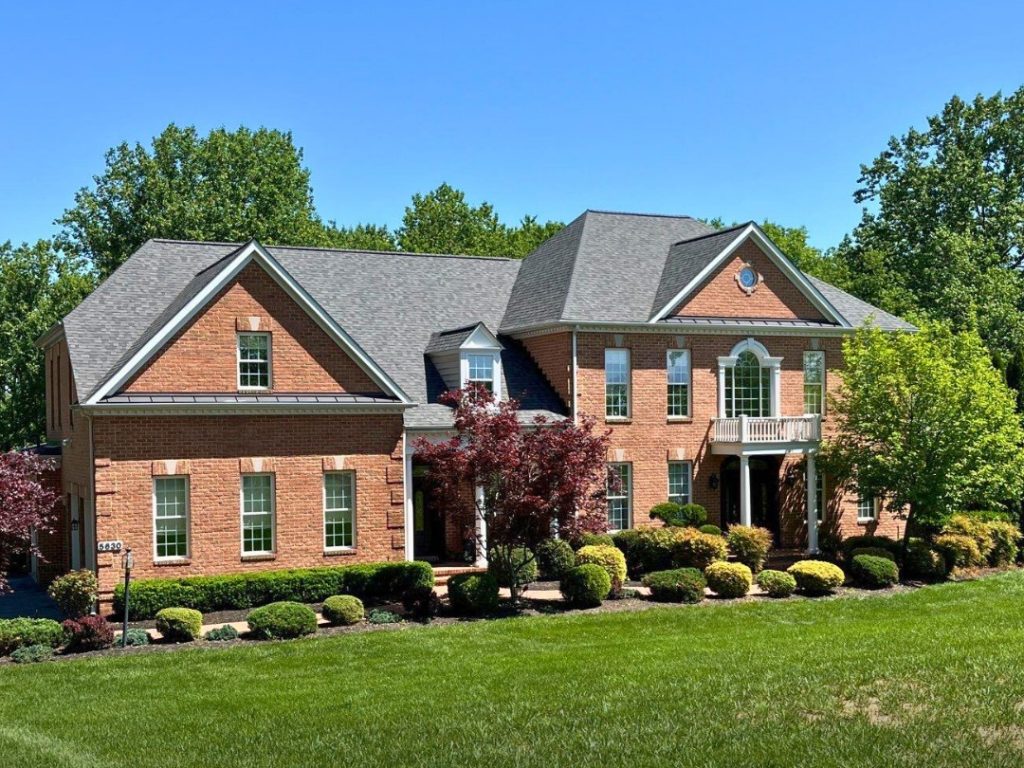
A full system warranty represents the highest level of coverage available and is offered by some manufacturers when the roofing project is installed using all components from the same manufacturer’s approved product line. This includes the decking underlayment, ice and water shield, starter strips, field shingles, hip and ridge shingles, and ventilation products.
When all components are sourced from the same manufacturer and installed by a certified contractor, the manufacturer takes responsibility for the performance of the system as a whole rather than just the individual components. This eliminates coverage gaps that can arise when components from different manufacturers interact and neither manufacturer accepts responsibility for the failure.
- Full system warranties typically combine the longest non-prorated material coverage with workmanship coverage under a single document
- They are the most transferable and the most valuable from a resale standpoint
- They require the most discipline in product selection during the project, since substituting a single non-approved component can disqualify the project from this level of coverage
What Roof Warranties Cover and What They Do Not
Reading the coverage section of a warranty is straightforward. Reading the exclusions section is where the real work is. Most homeowners who encounter warranty claim denials did not know about the exclusion that prevented their claim from being honored.
What most roof warranties cover:
- Manufacturing defects in shingles: Premature cracking, splitting, blistering, or granule loss that originates from how the shingle was produced rather than from weather or installation errors
- Installation errors (under workmanship warranty): Leaks, failures, or premature deterioration that can be directly attributed to how the roof was installed rather than the product or the weather
- System component defects (under extended warranties): Failures in manufacturer-approved underlayment, flashing tape, or other certified system components when the full system warranty applies
What most roof warranties exclude:
- Storm damage: Hail, wind, falling debris, and other weather events are insurance claims, not warranty claims. A shingle blown off by a 70 mph wind event is not a manufacturing defect. Homeowners insurance is the appropriate mechanism for storm damage.
- Normal weathering: Gradual color change, surface chalking, and minor texture variation that result from years of sun and weather exposure are considered normal product aging and are not covered.
- Improper installation by a non-approved contractor: If your shingles were installed by a contractor who was not certified and did not follow the manufacturer’s installation specifications, the manufacturer is not responsible for installation-related failures. This is the most common cause of denied warranty claims.
- Lack of proper ventilation: Inadequate attic ventilation causes shingles to overheat from below, which accelerates granule loss and can cause premature curling or cracking. Most manufacturers require that attic ventilation meets minimum code before their warranty applies.
- Unauthorized modifications: Adding equipment to the roof (satellite dishes, solar panels, HVAC units) without following proper penetration and flashing procedures can void coverage in the affected area.
- Consequential damages: Costs associated with interior damage from a roof failure, temporary repairs, or property damage are typically not covered under a product warranty.
How to Protect Your Roof Warranty from Installation Day Forward

Receiving a warranty at the end of a roofing project is step one. Keeping it valid over the following years requires some deliberate action.
Register the Warranty Promptly
Many manufacturer warranties require registration within a specified period after installation. Failing to register may not void coverage entirely, but it can complicate the claims process significantly. Register as soon as the project is complete and save the confirmation.
Keep All Project Documentation
The original contract, the manufacturer’s warranty document, the material specifications, and the contractor’s workmanship warranty should all be stored together and accessible. Warranty claims made years after installation often require this documentation to proceed. Homeowners in Fairfax County and surrounding areas who plan to sell within the warranty period should treat this documentation as a transferable asset worth preserving.
Schedule Annual Roof Inspections
Annual inspections by a roofing professional allow minor issues to be identified and addressed before they become significant failures. Many warranties include language about maintenance obligations, and documented evidence of consistent maintenance strengthens any future claim. It also gives you the opportunity to identify ventilation issues or flashing failures early, before they trigger the exclusions that can void coverage.
Understand How to File a Claim
Know the claims process before you need it. Most manufacturer warranty claims are initiated through the manufacturer’s website or customer service line, not through the contractor. Contractor workmanship claims go directly to the contractor. Having clear documentation of when the problem appeared, photos of the damage, and your original project records will make any claim process faster and more successful.
| Warranty Type | Who Issues It | Typical Duration | What It Covers | Transferable |
| Standard material | Manufacturer | 25 to lifetime | Shingle manufacturing defects | Often yes, with conditions |
| Workmanship | Contractor | 1 to 10 years | Installation errors | Rarely |
| Extended system | Manufacturer | Lifetime (non-prorated) | Full system components | Yes |
| Full system | Manufacturer | Lifetime (non-prorated) | All components plus workmanship | Yes |
Get Your Roof Covered the Right Way with ARCH Exteriors
A roof warranty is only as strong as the installation behind it and the documentation in front of it. Choosing the right contractor determines which warranties are available to you, how long non-prorated coverage applies, and whether the warranty is transferable when you sell.
Homeowners in Fairfax County and surrounding areas work with ARCH Exteriors because we are an Owens Corning Platinum Preferred Contractor, which gives our customers access to the Platinum Protection Limited Warranty that most contractors cannot offer. We install complete Owens Corning roofing systems, back every project with our own workmanship guarantee, and document every project properly so you have what you need if you ever need to use it.
When you are ready to move forward on a roofing project with coverage you can count on, contact us today to schedule a free in-home estimate with the ARCH Exteriors team.


