Does Window Insulation Film Work? 5 Pros, Cons & Results
 11 minutes
 September 8, 2026
 Every winter, homeowners notice the same thing: cold air radiating off the glass, condensation collecting at the corners, and heating bills that climb steadily upward. Window insulation film is one of the most searched quick fixes for this problem, and the honest answer to whether does window insulation film work depends on what you are trying to fix and what your windows’ actual condition is. If your windows are old enough that film is no longer making a meaningful difference, understanding what a full window upgrade involves gives you a more complete picture of your options.
Here is what this guide covers:
- What window insulation film is and the different types available
- 5 proven benefits with realistic expectations for each
- The real limitations that most film product pages do not mention
- How to decide between film and window replacement
- Which situations film genuinely helps versus where it falls short
What Window Insulation Film Is and How It Actually Works
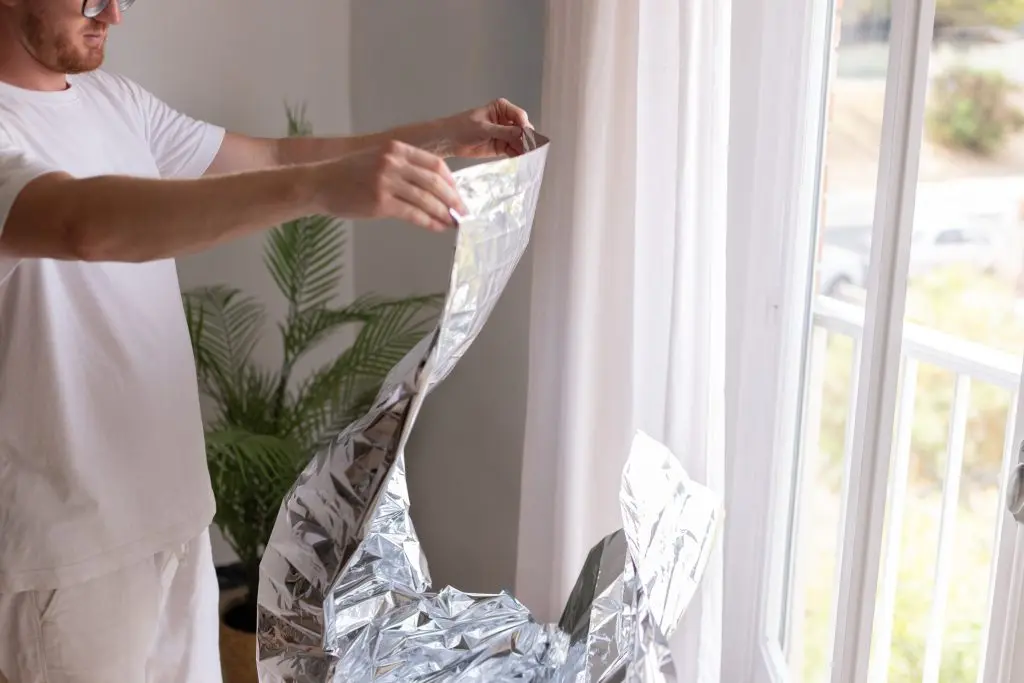
Window insulation film is a thin layer of plastic or metallic material applied to the interior surface of a window glass to improve its thermal performance. The product works by adding an additional barrier between the interior air and the cold glass surface. Depending on the film type, it either traps a still air pocket between the film and the glass, reflects infrared heat back into the room, or does both simultaneously.
Homeowners in Arlington County and surrounding areas typically encounter two main categories of film: interior shrink film kits, which are the clear plastic sheets applied with heat from a hair dryer to create a tight secondary pane, and low-E or solar control films, which are thin metallic or ceramic coatings bonded directly to the glass surface with adhesive. Each type works differently and suits different situations.
- Shrink film kits: The most common and least expensive option. A plastic sheet is attached to the window frame with double-sided tape and then heat-shrunk tight. It creates a small air pocket between the plastic and the glass that slows heat transfer. Effective for winter cold reduction. Must be removed and replaced each season.
- Low-E window film: A thin metallic or ceramic layer applied directly to the glass that reflects infrared radiation back into the room in winter and away from the home in summer. More durable than shrink film and can be left in place year-round. More expensive and typically requires professional application for best results.
- Solar control film: Designed primarily to reduce solar heat gain in summer rather than retain indoor heat in winter. Useful in south and west-facing rooms with significant summer sun exposure but less effective as a winter insulation measure.
- Safety and UV films: Provide structural reinforcement against glass breakage and block 90 percent or more of UV radiation. Not primarily thermal products but often combined with low-E coatings for combined benefits.
5 Proven Benefits of Window Insulation Film
Window insulation film delivers real, measurable benefits in the right conditions. Understanding what those benefits are and how significant they are under realistic circumstances helps set appropriate expectations before purchasing and applying any product.
Each benefit below is grounded in what the product can actually deliver rather than the best-case marketing claims.
1. Reduced Heat Loss Through the Glass
The primary benefit of window insulation film is reducing the rate at which heat escapes through the glass surface. Glass is a poor insulator on its own. Single-pane glass has an R-value of approximately 0.9. Standard double-pane glass sits around R-2 to R-3. A properly applied interior shrink film kit can add approximately R-1 to the existing window’s performance, which is a meaningful improvement on a single-pane window but a more modest one on a double-pane unit.
Low-E films applied directly to glass can reduce heat loss by 30 to 50 percent compared to uncoated glass of the same type, which translates to a warmer interior surface temperature and less cold radiating off the glass into the room.
2. Lower Energy Bills
The energy savings that window film delivers are real but modest. For a typical home with older single-pane windows, interior film kits can reduce heating costs by an estimated 10 to 15 percent of the energy lost through windows specifically, which generally amounts to a total energy bill reduction of 5 to 10 percent depending on how many windows are treated and how leaky they were to begin with.
Homeowners in Arlington County and surrounding areas should not expect dramatic utility bill reductions from film alone. The bigger energy losses in most homes come from air infiltration through failed weatherstripping and seals around the frame rather than conduction through the glass. Film addresses the glass. It does not address the gaps.
3. Reduced Interior Condensation
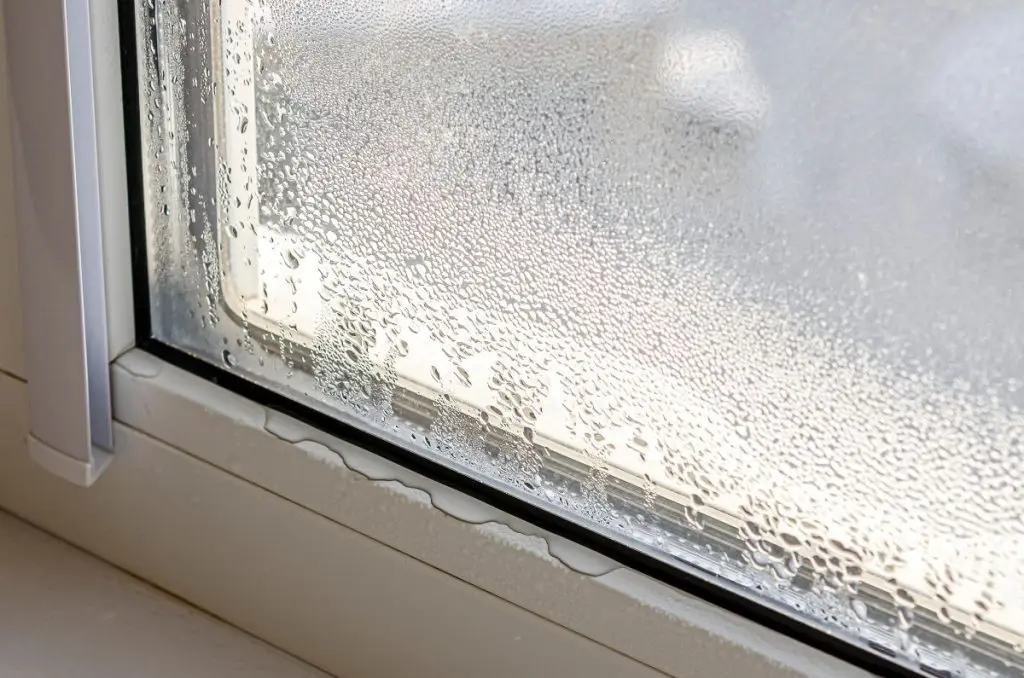
Condensation on window glass forms when warm, humid indoor air comes into contact with a cold surface. In winter, glass surfaces can drop significantly below the dew point of indoor air, producing the moisture buildup that leads to mold at sill level and deterioration of wood frames over time.
Window film raises the temperature of the interior glass surface by reducing the rate of heat transfer. A warmer interior surface is less likely to trigger condensation. For homeowners dealing with persistent moisture on glass and at the sill, film can meaningfully reduce that problem in the short term. If the condensation is forming between the glass panes rather than on the interior surface, that is a failed seal issue that film cannot address.
4. UV Protection
Most window insulation films, particularly low-E and solar control products, block a significant percentage of ultraviolet radiation from entering the home. UV exposure is the primary cause of fading in furniture, flooring, artwork, and fabrics near windows.
Films marketed specifically for UV protection can block 90 to 99 percent of UV-A and UV-B radiation. For rooms with significant natural light exposure and valuable furnishings, this is a worthwhile benefit independent of the thermal performance. Film blocks UV more effectively than standard glass alone and can extend the life of interior finishes significantly.
5. Low Cost and Easy DIY Installation
Window insulation kits are among the most accessible home improvement products available. A standard kit covering four to five windows typically costs between $15 and $40. The application requires no special tools beyond a hair dryer and a few minutes per window. For renters or homeowners who need an immediate solution for one difficult winter before a longer-term plan is in place, the low cost and reversibility make film a genuinely practical option.
Low-E and solar control films applied directly to the glass are a step up in both cost and complexity. Professional application for a quality low-E film on a standard window runs from $50 to $150 per window installed. While more expensive than a DIY kit, this is still a fraction of the cost of window replacement.
The Real Limitations of Window Insulation Film
Film is a genuine product with real benefits, but it is also regularly oversold as a substitute for improvements it cannot replicate. Understanding where the product’s limitations begin is as important as understanding what it can do.
- Film does not address frame and seal failures. Most of the air infiltration in older windows comes from failed weatherstripping, damaged frames, and gaps around the window perimeter. Film on the glass does nothing for these leaks. A window that whistles in the wind or lets in drafts around the edges needs weatherstripping or frame repair, not glass film.
- Shrink film is temporary and high-maintenance. Interior shrink film must be removed and replaced each season. Over time, it can leave adhesive residue on frames, is difficult to apply perfectly without bubbles or wrinkles, and reduces visibility through the glass while in place. It is a seasonal band-aid, not a long-term solution.
- Film cannot fix fogged or failed sealed units. If your double-pane window shows condensation between the glass layers or a visible haze that does not clear, the sealed unit has failed and the insulating gas has escaped. Applying film to the exterior of a window with a failed IGU does not restore the window’s thermal performance. The sealed unit needs to be replaced.
- Aesthetic impact varies. Shrink film is visible up close and reduces clarity. Some low-E films add a slight tint or reflective quality that affects the appearance of windows from the exterior. For homes where HOA guidelines govern exterior appearance, this is worth considering before committing to a film product.
- Diminishing returns on newer windows. Film provides the most benefit on older single-pane or early double-pane windows. On a modern double-pane window with low-E coating and argon fill that is performing correctly, adding film delivers minimal additional thermal improvement for the cost.
Window Insulation Film vs. Window Replacement: How to Decide
The most useful question is not whether film works in isolation but whether it is the right solution for your specific windows. Film and replacement serve different situations, and choosing the wrong one wastes money in either direction.
When Film Is the Right Call
Film makes sense when the windows themselves are structurally sound and the glass performance is the primary issue. A single-pane window in a rental, a vacation property, or a room that gets limited use is a good candidate for a film kit. A newer window that lacks low-E coating in a room with significant sun exposure is a good candidate for solar control film. A homeowner who needs to address winter cold for one season while budgeting for replacement the following year can use shrink film as a practical bridge.
When Replacement Is the Right Call
Replacement is the better investment when the window has failed seals indicated by fogging between the panes, when the frame is warped or rotted, when air infiltration around the edges is significant, or when the window is old enough that film on the glass addresses only a portion of a larger performance problem. Applying film to a failing window is spending money to delay the inevitable rather than solve it.
The economics are worth considering directly. A quality low-E film installation at $100 per window on a 15-window home costs $1,500. A complete replacement window project on those same 15 windows may cost $9,000 to $20,000 depending on the product and installer. Film is a fraction of the cost, but replacement eliminates every failure mode simultaneously: air infiltration, glass performance, frame integrity, and weatherstripping.
| Situation | Recommended Approach |
| Single-pane windows in secondary rooms | Interior shrink film kit |
| Double-pane with failed IGU seals | Window replacement |
| South-facing rooms with summer heat gain | Solar control or low-E film |
| Drafts around frame edges | Weatherstripping repair, not film |
| Windows approaching 20-plus years old | Professional inspection, likely replacement |
| Renters or temporary situations | DIY film kit |
| Full home energy upgrade | Replacement windows with Energy Star certification |
Homeowners in Arlington County and surrounding areas who are unsure which category their windows fall into should have a professional inspection before committing to either approach. A thorough assessment identifies whether the performance problem is in the glass, the seal, the frame, or the weatherstripping, which determines whether film is a meaningful solution or an inadequate substitute.
When Window Film Is Not Enough
Window insulation film is a useful tool with a specific and limited role. It reduces heat loss through the glass, cuts UV exposure, lowers condensation risk on the interior surface, and costs far less than replacement. In the right situation, it is a smart and practical choice.
What it cannot do is fix a window that has fundamentally failed. Fogged sealed units, rotted or warped frames, significant air infiltration around the perimeter, and windows old enough to have multiple overlapping failure modes are not film problems. They are window problems, and the solution is a window that performs correctly rather than a product applied over one that no longer does.
ARCH Exteriors works with homeowners throughout Arlington County and surrounding areas to assess window performance honestly and recommend the approach that actually makes sense for each home’s condition and budget. We install ProVia replacement windows with a lifetime transferable warranty when replacement is the right answer, and we are straightforward about situations where it is not yet necessary.
When you are ready for an honest evaluation of your windows, contact us today to schedule a free in-home consultation with the ARCH Exteriors team.