


8 Factors Influencing Roof Lifespan (What Every Homeowner Should Know)
 12 minutes
 August 4, 2026
 Your roof does not age at a fixed rate. Some roofs last 15 years. Others from the same era and material last 35. The difference comes down to a specific set of controllable and environmental variables that most homeowners are never told about when a roof is installed. Understanding the factors influencing roof lifespan helps you make smarter decisions before replacing a roof, budget more accurately for what is coming, and avoid the costly mistake of repairing a roof that is already past saving. If you are trying to evaluate where your roof stands, getting a professional assessment of the full picture is the most reliable starting point.
Here is what this guide covers:
- The 8 most significant factors that determine how long a roof lasts
- How roofing material choice affects expected lifespan across different categories
- Warning signs that a roof is approaching the end of its useful life
- What homeowners can control versus what they cannot, and how to act on each
Why Understanding Roof Lifespan Protects You Financially and Practically
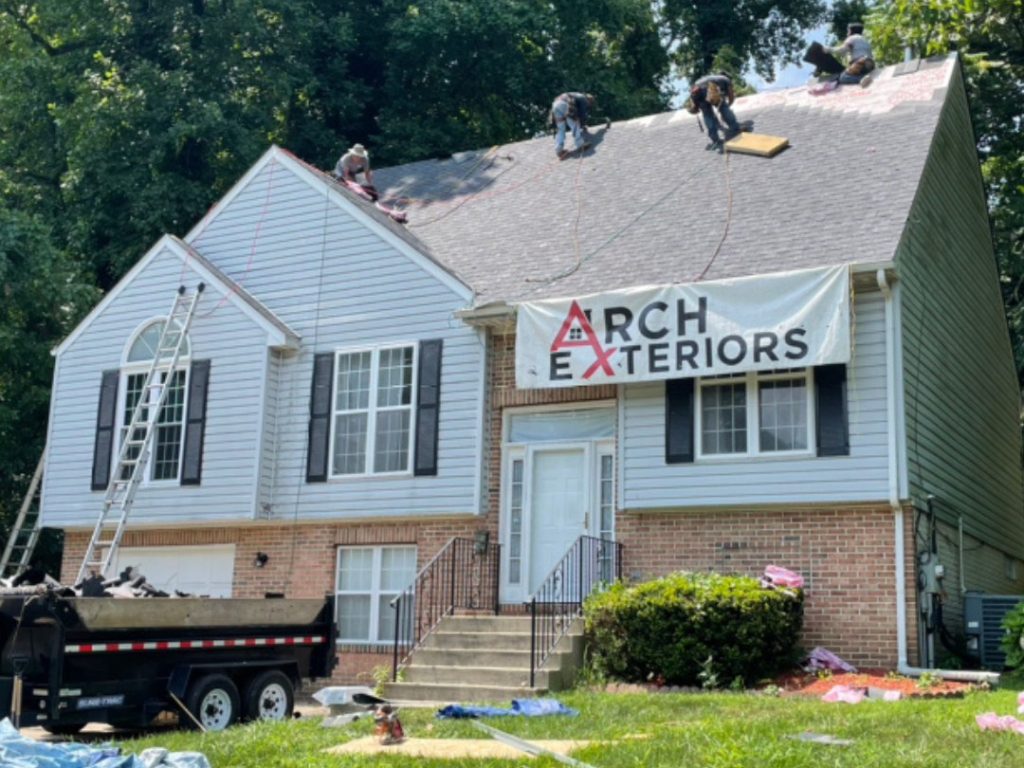
Most homeowners think about their roof reactively. They notice a stain on the ceiling or a missing shingle after a storm and call a contractor. That reactive approach costs more in both emergency repairs and missed opportunities to plan for replacement in a way that fits a budget. Understanding roof lifespan shifts the dynamic from reaction to planning.
In Montgomery County and surrounding areas, where home values are significant and buyers conduct thorough inspections, knowing the realistic remaining lifespan of your roof before listing a home can determine whether you are negotiating from a position of strength or scrambling to address an inspection finding at the worst possible time. The same knowledge applies when you are buying: a roof that appears intact but is 19 years old and poorly ventilated is a liability that does not always show up in surface-level evaluations.
- Budget planning: Knowing that a roof has 5 to 8 years of remaining life allows you to plan for that expense rather than absorbing a $12,000 to $20,000 surprise during an already tight financial period.
- Repair vs. replace decisions: Understanding lifespan factors tells you whether a repair makes economic sense or whether the money would be better applied toward replacement. Repairing a 22-year-old roof with ventilation problems and granule loss rarely produces a cost-effective outcome.
- Home sale positioning: A roof with documented remaining lifespan and a transferable warranty is a selling point. A roof that is near end of life and needs replacement is a negotiating liability that typically costs more at closing than the replacement itself would have.
- Insurance and warranty implications: Some homeowner’s insurance carriers in Maryland and Virginia require roof inspection or replacement when a roof exceeds a certain age. Understanding your roof’s position relative to those thresholds prevents unexpected coverage issues.
- Safety: A roof that has passed its functional lifespan poses genuine structural risks that go beyond cosmetic deterioration. Sagging decking, compromised flashing, and failed underlayment create conditions for water intrusion that can damage structural framing over time.
8 Key Factors That Affect the Lifespan of a Roof
No two roofs age the same way because no two roofs share exactly the same combination of material, installation quality, climate exposure, and maintenance history. The eight factors below account for the majority of variation in how long roofs last across the residential market.
Understanding where your roof falls on each factor gives you a clearer picture of its actual remaining life than any rule of thumb based on age alone.
1. Roofing Material
The material a roof is made from is the single largest determinant of expected lifespan under normal conditions. Material determines how a roof responds to heat, cold, moisture, UV radiation, and wind, and the variance across material types is significant.
- Asphalt shingles (3-tab): The most basic entry-level option. Expected lifespan of 15 to 20 years under normal conditions.
- Architectural asphalt shingles: The most common material in residential construction today. Expected lifespan of 25 to 30 years with proper installation and maintenance.
- Impact-resistant asphalt shingles: Designed to withstand hail and high-wind events. Expected lifespan of 25 to 40 years depending on product line.
- Metal roofing: Long-duration option with a lifespan of 40 to 70 years depending on gauge and finish. Significantly more expensive upfront but dramatically lower long-term cost per year.
- Cedar shake: Attractive natural material with a lifespan of 20 to 30 years, but requires regular maintenance to prevent moisture damage and premature rot.
- Slate: The longest-lasting residential roofing material. Natural slate can last 75 to 150 years. The weight and cost of installation make it impractical for most standard residential structures.
2. Installation Quality
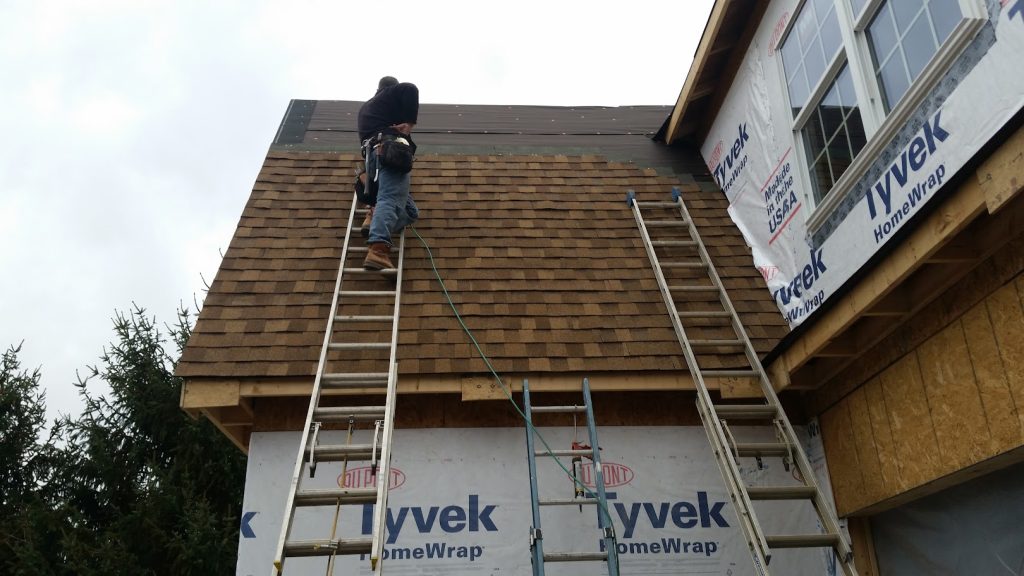
A high-quality material installed incorrectly will fail significantly earlier than its rated lifespan. Installation quality encompasses dozens of variables: fastener type and placement, starter strip application, flashing integration at walls and penetrations, valley construction, ridge cap installation, and underlayment lapping. Any of these done incorrectly creates a vulnerability that weather will eventually find.
Poor installation is the most common cause of roofs failing well before their material rating. A 30-year architectural shingle installed without proper flashing at a chimney or with fasteners driven at the wrong angle can develop leaks within five years. This is why the contractor performing the installation matters as much as the material being installed.
- Using too few fasteners or driving them at an angle reduces wind resistance significantly
- Improper flashing around chimneys, skylights, and wall junctions is the most common source of recurring leaks
- Missing or inadequate starter strip undermines shingle adhesion at the eave, which is where wind damage most frequently begins
3. Attic Ventilation
Attic ventilation is one of the least visible and most impactful factors in roof lifespan. A poorly ventilated attic allows heat to build up against the underside of the roof deck, literally cooking the shingles from below. In summer, inadequately ventilated attics in Maryland and Virginia can reach 150 degrees Fahrenheit or higher, which accelerates granule loss, causes premature cracking and curling, and degrades the adhesive strips that hold shingles sealed against wind uplift.
Inadequate ventilation also causes moisture accumulation in the attic during winter, which softens roof decking, promotes mold growth in insulation, and creates conditions for ice dam formation at the eave. Most major shingle manufacturers, including Owens Corning, require adequate attic ventilation as a condition of warranty coverage.
- A balanced system of intake (soffit) and exhaust (ridge) ventilation is required for manufacturer warranty compliance on most products
- Blocked soffit vents are one of the most common and easily overlooked ventilation problems
- Inadequate ventilation can reduce asphalt shingle lifespan by 5 to 10 years compared to a properly ventilated installation
4. Local Climate and Environmental Factors
Local climate determines how aggressively a roof is tested every year. Roofs in harsh climates age faster than roofs in mild ones regardless of material quality, simply because they accumulate more stress over time. In Montgomery County and surrounding areas, roofs face a demanding combination of humid summers with UV intensity, winter freeze-thaw cycles, heavy wet snowfalls, and seasonal storms that can include hail and high winds.
The freeze-thaw cycle is particularly damaging to roofing materials. Water that works into small cracks or seams expands when it freezes and contracts when it thaws, widening those gaps over multiple cycles. UV exposure in summer degrades asphalt binder and erodes protective granules. Humid conditions promote biological growth including moss and algae that hold moisture against the shingle surface and accelerate surface deterioration.
5. Roof Pitch and Design
The pitch of a roof affects both how quickly water drains and how much UV and wind exposure each section receives. Steeper roofs shed water faster and accumulate less debris, which reduces the moisture exposure that accelerates material degradation. Low-slope and flat roofs are more susceptible to ponding water and require materials specifically designed for those applications.
Roof design complexity also affects lifespan. A simple gable roof with two planes and minimal penetrations is far easier to flash correctly and maintain than a complex roofline with multiple valleys, hips, dormers, chimneys, and skylights. Each transition point and penetration is a potential failure location. More complex rooflines require more precise installation and more diligent inspection to maintain over time.
6. Maintenance and Inspection History
A roof that has been inspected annually and had minor issues addressed promptly will consistently outlast a roof of identical material and installation quality that has been ignored. Gutters that are cleaned regularly prevent ice dam formation and eliminate the standing water that deteriorates eave flashings. Minor flashing separations repaired early prevent the water infiltration that rots decking over years. Small sections of lifted or cracked shingles replaced promptly prevent wind damage from expanding.
The cost of proactive maintenance over the life of a roof is a fraction of the cost difference between a roof that lasts 20 years and one that lasts 30 years because it was properly cared for.
7. Tree Coverage and Debris
Overhanging trees are one of the most consistent factors separating roofs that age faster than expected from those that perform closer to their rated lifespan. Trees create multiple concurrent problems: branches deposit debris that holds moisture against the shingle surface, shade prevents the roof from drying promptly after rain, and root systems that extend under the home can affect drainage patterns. In severe events, branches become projectiles that cause direct physical damage.
Keeping branches trimmed to a minimum clearance of three to four feet above the roof surface dramatically reduces debris accumulation, improves drying time, and reduces both biological growth and physical damage risk.
8. Underlayment and Secondary Water Protection
The underlayment installed beneath the shingles is the roof’s last line of defense when the surface layer is compromised. High-quality synthetic underlayment provides significantly better secondary protection than traditional felt paper, particularly in the event of wind-driven rain or ice dam conditions that force water back up under the shingles.
Ice and water shield, a self-adhering waterproof membrane applied at the eaves, valleys, and around penetrations, provides critical protection in the locations where water infiltration is most likely. Homes in Montgomery County and surrounding areas that experience significant winter precipitation benefit substantially from ice and water shield coverage well up the eave and into valleys. Roofs installed without it have a meaningful vulnerability that quality underlayment alone cannot fully compensate for.
Roofing Material Lifespan at a Glance
The table below summarizes expected lifespans across common roofing materials under normal conditions with proper installation and maintenance. Actual performance will vary based on the other factors described in this guide.
| Material | Expected Lifespan | Key Lifespan Variables |
| 3-tab asphalt shingles | 15 to 20 years | Ventilation, installation quality |
| Architectural asphalt shingles | 25 to 30 years | Ventilation, maintenance, climate |
| Impact-resistant shingles | 30 to 40 years | Impact event frequency, installation |
| Cedar shake | 20 to 30 years | Maintenance, moisture exposure |
| Metal (steel or aluminum) | 40 to 70 years | Coating quality, fastener type |
| Concrete tile | 40 to 50 years | Structural support, climate |
| Clay tile | 50 to 100 years | Structural support, freeze-thaw exposure |
| Natural slate | 75 to 150 years | Installation quality, substrate |
Signs Your Roof Is Approaching the End of Its Lifespan
Understanding the factors that affect lifespan is only useful if you can also recognize when those factors have combined to bring a roof to its practical end. Here are the signs that indicate replacement is likely the right next step rather than continued repair.
Granule Loss and Shingle Surface Degradation
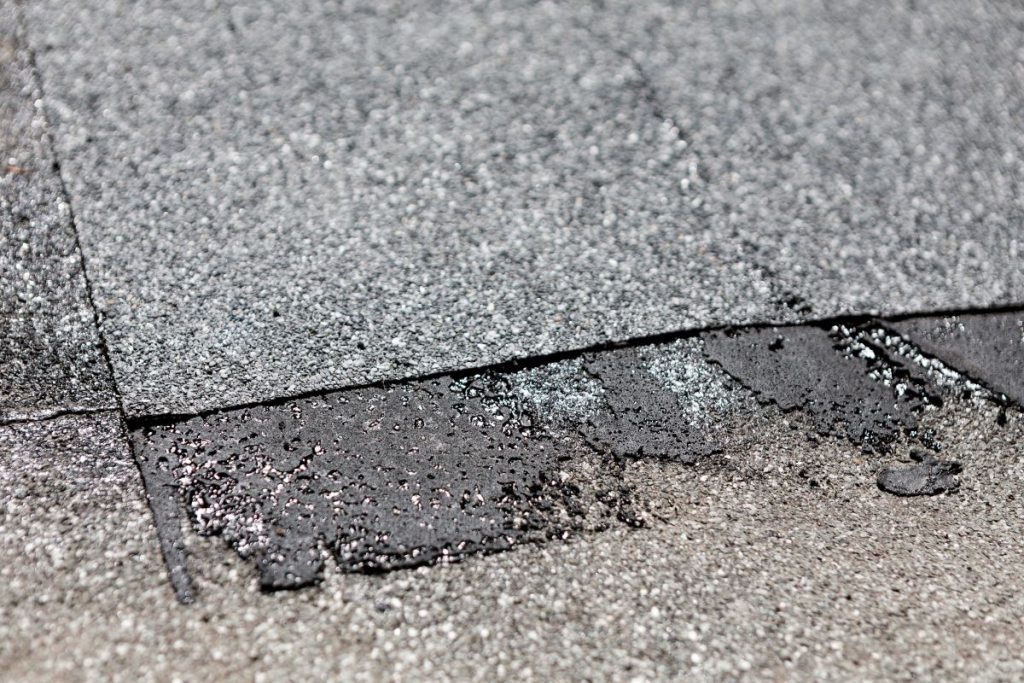
Significant granule accumulation in gutters or at downspout discharge points signals that the shingle surface is actively deteriorating. Granules protect the asphalt binder from UV radiation. Once they are gone in significant quantities, the exposed asphalt bakes in the sun and the shingles age rapidly. Bare spots or visibly thin granule coverage on shingles inspected from the ground or by a professional indicate a roof that is near the end of its protective life.
Widespread Curling, Cracking, or Cupping
Individual damaged shingles are a repair item. Widespread curling at the corners, cracking across multiple sections, or cupping along the edges of shingles throughout the roof indicates systemic aging or ventilation-driven deterioration. These conditions mean the shingles are no longer sealing against wind and rain as designed, and the vulnerability is distributed across the entire roof rather than isolated at one spot.
Sagging Areas or Visible Deck Deflection
Any section of the roof that appears to sag, dip, or sit lower than surrounding areas indicates structural compromise in the decking or framing beneath the shingles. This typically results from prolonged moisture exposure softening the sheathing. Sagging requires immediate professional evaluation because it represents a structural condition, not just a surface one, and carries collapse risk under snow load or other heavy conditions.
Repeated Leaks Despite Repairs
A roof that leaks repeatedly in different locations despite multiple repair attempts is telling you that the systemic condition of the surface is the problem rather than isolated defects. At that point, the cost of continued repairs accumulates toward replacement cost without achieving the performance that replacement would provide. Tracking repair history and location is useful data for this assessment.
Age Combined with Multiple Symptoms
A roof that is 20 or more years old and showing two or more of the above symptoms simultaneously has typically reached the point where replacement is the economically rational decision. Continuing to repair a roof at this stage delays the inevitable while accumulating repair costs that could have been applied toward replacement.
Protect the Lifespan of Your Roof with ARCH Exteriors
The factors influencing roof lifespan interact with each other in ways that make a roof’s actual remaining life difficult to assess without a professional evaluation. A 20-year-old roof with excellent ventilation and consistent maintenance may have 8 to 10 more years of reliable service. A 15-year-old roof installed by an under-qualified contractor without proper flashing may be approaching failure already.
Homeowners in Montgomery County and surrounding areas count on ARCH Exteriors for honest assessments that do not default to replacement when repair is the right answer. We inspect the full condition of the roofing system, explain what we find in plain terms, and give you a clear picture of where your roof stands and what it will realistically need in the near and medium term.
When you are ready for an honest evaluation of your roof’s condition and remaining lifespan, contact us today to schedule a free in-home inspection with the ARCH Exteriors team.


