


What Does a Window Warranty Cover? (Full Guide)
 6 minutes
 October 21, 2025
 When investing in new windows for your home, understanding the protection offered by a window warranty is essential. Knowing exactly what a window warranty covers can save you from unexpected expenses and give you peace of mind. Whether you’re upgrading for energy efficiency, curb appeal, or durability, your warranty serves as a valuable assurance for your investment. For detailed information on window replacement options and services, you can explore the comprehensive resources available at the windows section of trusted exterior improvement providers.
- Learn the key components typically included in a window warranty.
- Understand why window warranties are important for homeowners.
- Discover the common limitations and exclusions in window warranties.
- Explore tips for maintaining your windows to keep the warranty valid.
- Find out what to do when you need to make a warranty claim.
Why Understanding Your Window Warranty Matters
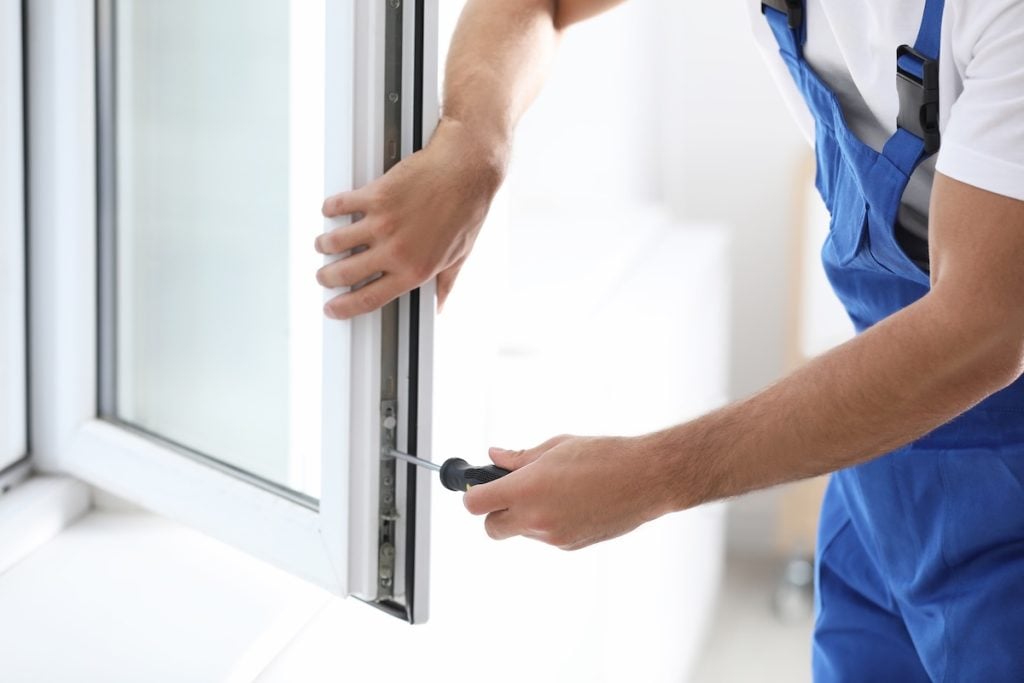
A window warranty is more than just a piece of paper. It reflects the quality and longevity you can expect from your investment. Having a clear understanding of your window warranty ensures you know what kind of protection you have and how to utilize it effectively. Many homeowners overlook warranty details and then face frustrating situations when issues arise.
Here are some reasons why a window warranty is important:
- Financial Protection: Covers repair or replacement costs in case of defects or early failures, potentially saving thousands of dollars.
- Peace of Mind: Gives confidence that your windows are backed by the manufacturer or installer.
- Increased Home Value: Warranty-backed windows can be a selling point if you decide to put your home on the market.
- Encourages Quality Choices: Knowing what warranties cover helps you select windows that meet durability and performance expectations.
- Guides Proper Maintenance: Most warranties include guidelines on care that help extend the life of the windows.
4 Things That Window Warranty Typically Covers
The coverage of window warranties can vary widely depending on the manufacturer, type of window, and installation. Generally, a warranty will protect you against defects in materials, workmanship, and in some cases, performance. Below is a breakdown of common coverage areas you are likely to encounter:
1. Frame and Sash Components
The structural parts of the window such as the frames and sashes are usually covered for defects in materials and workmanship. This ensures the window remains structurally sound over time.
- Protection against warping or rotting of wooden frames.
- Coverage for cracking, peeling, or blistering on vinyl or aluminum frames.
- Guarantee against rust or corrosion for metal components.
2. Glass and Glazing
The warranty often includes coverage for glass defects like seal failure or fogging, which results from moisture buildup between panes in insulated glass units.
- Assurance of glass clarity for the warranty period.
- Protection against air or water leaks related to glazing failure.
- Some warranties may cover breakage due to manufacturing defects though impact damage is usually excluded.
3. Hardware and Operating Mechanisms
Moving parts such as locks, hinges, and cranks are typically covered for malfunction or breakage due to faulty materials or workmanship.
- Ensures smooth operation of window opening and locking features.
- Covers replacement of defective handles, rollers, or latches.
- Excludes damage caused by improper use or accidents.
4. Installation Warranty
Many companies include a separate warranty on installation services for a defined period. This provides additional peace of mind that your windows are correctly fitted to prevent leaks or drafts.
- Covers labor costs for correcting installation errors.
- May offer reinstallation services if issues arise due to installer mistakes.
- Typically shorter coverage period than product warranty.
Common Limitations and Exclusions to Know
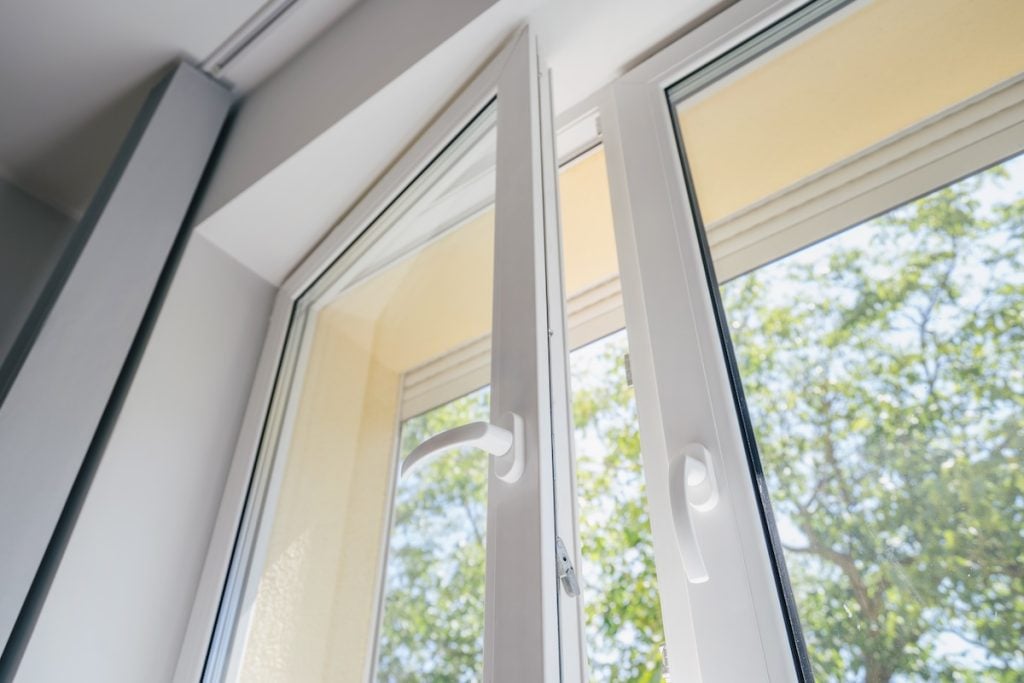
While warranties are valuable, they often come with exclusions or limitations that homeowners should understand to avoid surprises.
Some common limitations include:
Environmental Damage
Damage caused by extreme weather, natural disasters, or environmental factors like acidic rain and salt spray is usually excluded. Warranties typically do not cover deterioration from exposure beyond normal weather conditions.
Improper Maintenance or Misuse
If you fail to maintain your windows according to the manufacturer’s guidelines or cause damage through misuse, the warranty may become void. This includes neglecting to clean tracks and seals or forcing windows open.
Normal Wear and Tear
General aging or wear from regular use such as minor scratches or fading of finishes is not covered. Warranties focus on manufacturing defects rather than degradation caused by time.
Accidental Damage
Breakage due to accidents, vandalism, or impacts from outside sources is excluded. Separate insurance coverage may be needed for these scenarios.
Unauthorized Repairs or Modifications
If repairs or modifications aren’t performed by authorized service providers, the warranty may be invalidated. Stick to recommended professionals for any maintenance or repairs.
How to Maintain Your Warranty and Maximize Its Benefits
Keeping your windows well-maintained is crucial for preserving warranty coverage and ensuring they last as long as possible. Simple upkeep can prevent issues that might otherwise fall outside warranty protection.
Regular Cleaning and Inspections
- Cleaning: Remove dirt, debris, and buildup from frames, sills, and glass at least twice a year using manufacturer-recommended cleaning agents.
- Inspection: Check seals, caulking, and weatherstripping for signs of wear or damage regularly and arrange repairs promptly.
Operate Windows Properly
- Use gently: Avoid forcing windows open or shut.
- Keep hardware lubricated: Apply appropriate lubricants to hinges and moving parts as advised to prevent wear.
Address Issues Early
- Report concerns promptly: Contact your window provider if you notice fogging, drafts, or hardware malfunction during the warranty period.
- Document issues: Keep records of all communications, inspections, and repairs related to warranty claims.
What to Do When You Need to Make a Warranty Claim
If you discover a problem covered under your window warranty, timely and proper action is crucial to a successful claim. Understanding the process ahead of time can save stress and provide clarity.
Step 1: Review Your Warranty Documentation
Carefully examine your warranty paperwork to verify coverage details, claim procedures, and the duration of coverage. Knowing these specifics helps set realistic expectations.
Step 2: Gather Evidence
- Take clear photos of the defect or damage.
- Collect purchase receipts, installation dates, and maintenance records.
Step 3: Contact the Warranty Provider
Reach out to the company that issued the warranty, which may be the manufacturer or the installer. Provide all necessary documentation and a detailed description of the issue.
Step 4: Follow Instructions for Inspection or Repair
The provider may schedule an inspection or authorize a repair service. Cooperate fully and keep detailed notes of all communications and scheduled visits.
Step 5: Understand Resolution Options
The warranty may cover repair parts, replacement windows, or labor costs depending on the issue. Clarify what is included before proceeding.
Your Window Coverage
Choosing new windows equipped with a solid window warranty protects your investment and helps ensure you enjoy durable, efficient performance for years. Understanding exactly what a window warranty covers, its limitations, and how to maintain and claim it can save you time, money, and headaches down the road. If you want expert guidance on selecting the right windows and learning more about available warranty options, do not hesitate to contact us today at ARCH Exteriors to discuss your needs with experienced professionals dedicated to delivering reliable window solutions.


