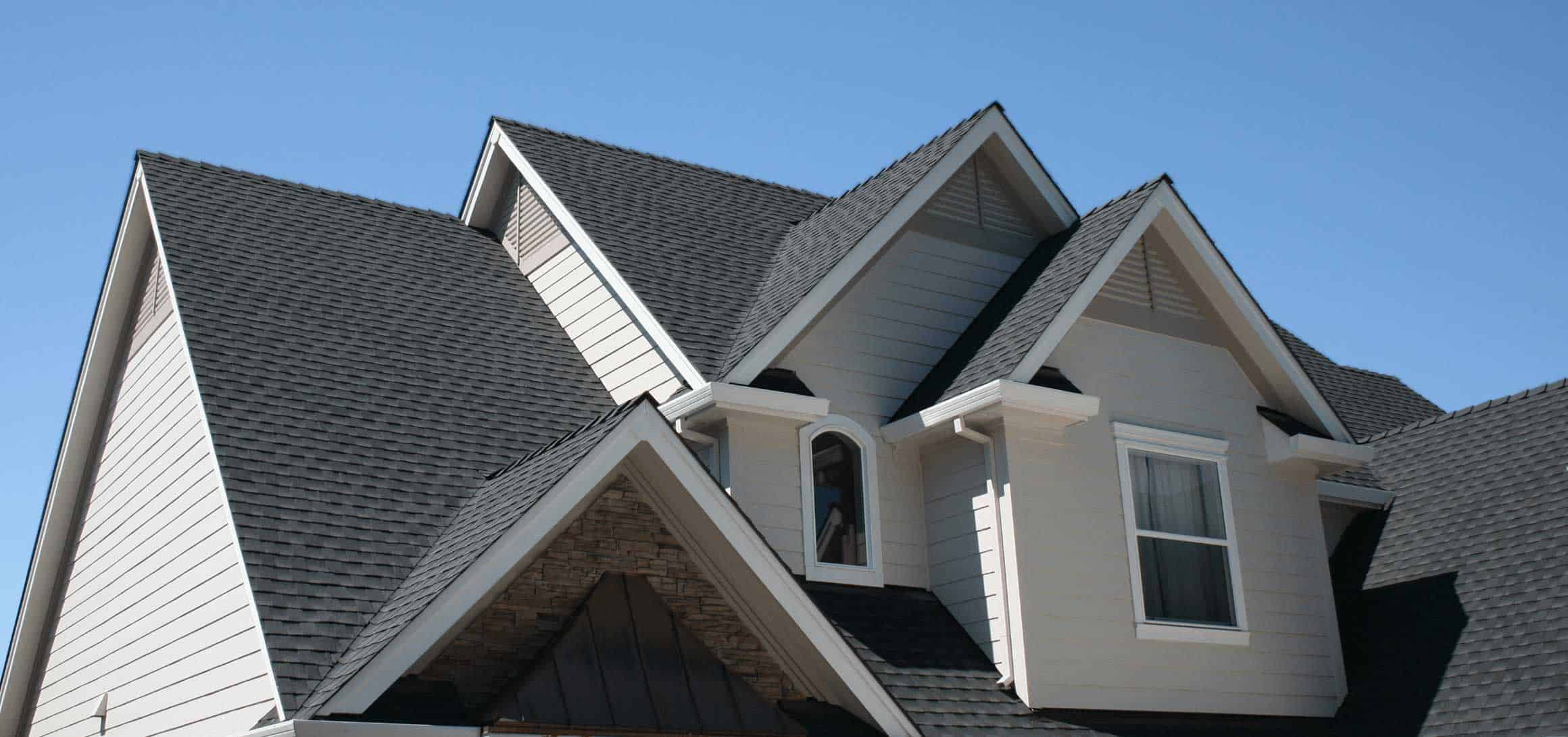
What is the Average Window Replacement Cost? (2026 Guide)
 13 minutes
 August 7, 2024
 Aging windows cost homeowners more than most people realize. Between rising energy bills, drafty rooms, and declining curb appeal, the impact adds up every season. If you are wondering about window replacement cost, the answer depends on more than just the price tag on the window unit itself. Getting to an accurate number starts with understanding what actually drives the price, and if you are still in the early stages of planning, learning what a full window upgrade involves is a smart place to begin before requesting any estimates.
Here is what this guide covers:
- What the average window replacement cost looks like in 2026
- The key factors that push prices higher or lower
- The difference between insert and full-frame replacement and what it means for your budget
- Hidden costs that tend to catch homeowners off guard
- How to save money without sacrificing long-term quality
- What to look for in a quote before you sign anything
Why Window Replacement Cost Varies So Much

Why Window Replacement Cost Varies So Much
No two window projects are identical, and that is exactly why cost estimates for this type of home improvement span such a wide range. The national average for window replacement sits between $300 and $1,200 per window installed, with most homeowners landing around $650 to $850 per window for a standard residential project. A full-home replacement of 10 to 15 windows translates to a total investment of roughly $4,000 to $15,000 or more depending on the materials, glass package, and installation method chosen.
Understanding why that range exists is more useful than fixating on a single average number. Every window project involves a combination of decisions, and each one affects the final cost. The factors below explain why two homeowners in the same neighborhood can receive quotes that differ by hundreds of dollars per window.
- Window style and size: Standard double-hung windows cost considerably less than bay, bow, or custom-shaped windows. Size drives material and labor costs proportionally, and larger openings require more structural consideration during installation.
- Frame material: Vinyl, wood, fiberglass, aluminum, and composite frames all carry different price points and performance profiles. Frame material is often the single largest variable when comparing per-window costs between quotes.
- Glass package: Moving from basic double-pane glass to triple-pane with low-E coatings and gas fills adds measurable cost per window but delivers long-term savings on heating and cooling that offset the premium over time.
- Installation method: Whether your project calls for an insert replacement or a full-frame replacement changes both the labor scope and the surrounding work involved, with a meaningful impact on the total cost.
- Local labor rates: Window installation costs in Frederick County and surrounding areas reflect local market conditions, including contractor availability, permitting requirements, and regional material pricing, all of which vary from one market to the next.
5 Factors That Determine What You Pay Per Window
Getting an accurate picture of your window replacement cost requires looking at each major driver individually. The factors below account for the majority of the variation homeowners see when collecting and comparing estimates.
Each factor is worth understanding before you begin speaking with contractors, because informed homeowners ask better questions and end up with more useful quotes.
1. Window Style
The style of window you choose is one of the most immediate cost variables. Different styles involve different amounts of material, hardware, and installation complexity. More moving parts and more intricate profiles mean higher production costs and more careful installation work on site.
- Double-hung windows: The most common residential choice, with both sashes moving independently for easy cleaning. Cost range: $350 to $850 per window installed.
- Casement windows: Hinged on one side and operated with a crank, offering excellent ventilation and a tight compression seal when closed. Cost range: $400 to $900 per window.
- Sliding windows: A practical option for wide horizontal openings with a clean, low-profile appearance. Cost range: $450 to $1,000 per window.
- Picture windows: Fixed and non-operable, making them relatively affordable per square foot even at larger sizes. Cost range: $300 to $800 per window.
- Bay and bow windows: Multi-unit structural installations requiring additional framing work and more complex installation. Cost range: $1,500 to $7,500 or more depending on size and configuration.
2. Frame Material
Frame material affects the upfront cost, long-term maintenance requirements, and energy performance of every window in the project. Homeowners in Frederick County and surrounding areas typically prioritize materials that hold up well through the region’s combination of warm, humid summers and cold winters.
- Vinyl: The most popular and affordable option. Low maintenance, solid insulation, and available in a wide range of styles and colors. Cost range: $300 to $900 per window installed.
- Wood: Offers a classic natural aesthetic and strong insulation but requires regular painting or sealing to prevent rot and warping over time. Cost range: $700 to $1,800 per window.
- Fiberglass: The most durable frame option, resistant to warping, rot, and temperature extremes. Can be painted to match any exterior. Cost range: $700 to $1,400 per window.
- Aluminum: Lightweight and strong with a sleek modern profile, but less thermally efficient than other materials due to its conductivity. Cost range: $300 to $800 per window.
- Composite: Combines wood fiber and polymer for a wood-like appearance with better moisture resistance and lower long-term maintenance demands. Cost range: $600 to $1,500 per window.
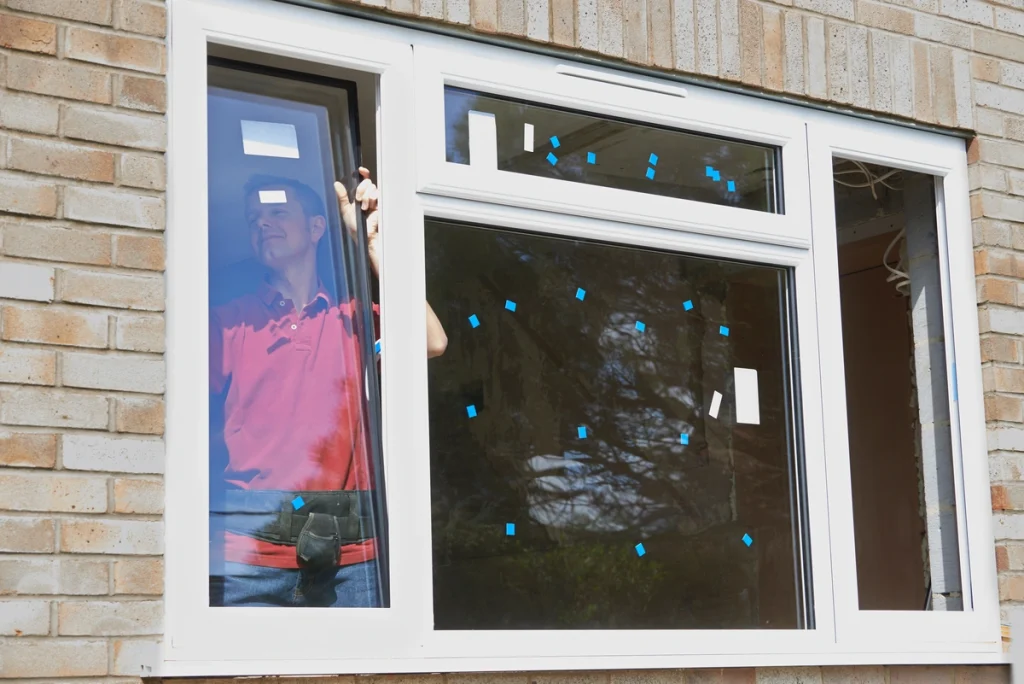
3. Glass Package
The glass inside the frame contributes more to a window’s energy performance than most homeowners expect. The difference between a basic and an upgraded glass package shows up both in the initial invoice and in monthly utility bills for years afterward.
Double-pane glass is the standard baseline for residential replacement, using two layers of glass with a sealed space between them filled with air or an insulating gas. Cost range: $350 to $800 per window. Triple-pane glass adds a third layer for superior insulation in climates with meaningful seasonal temperature swings. Cost range: $500 to $1,200 per window.
Low-E coatings add a nearly invisible metallic layer to the glass that reflects infrared heat, helping homes stay cooler in summer and warmer in winter. This upgrade typically adds $50 to $100 per window and is worth considering in nearly every replacement project. Argon and krypton gas fills replace the air between panes with denser, slower-moving gases that reduce heat transfer more effectively. Argon is the standard cost-efficient choice at roughly $50 to $75 per window. Krypton performs better in thinner profiles but comes at a higher per-window cost.
4. Project Scope
The number of windows being replaced in a single project directly impacts the per-window price. Contractors typically reduce their per-unit pricing for larger jobs because setup, mobilization, and permitting costs are spread across more windows. Replacing 12 windows at once will almost always cost less per window than replacing them one at a time across multiple service calls.
For homeowners whose windows are aging uniformly across the home, consolidating into a single project is both the more economical and the more practical approach. A whole-home replacement involving 10 to 15 windows typically falls between $4,000 and $15,000, though larger homes and premium material selections can push the total higher.
5. Labor and Market Conditions
Installation labor makes up a significant portion of the total window replacement cost, and what contractors charge for labor varies by region. Factors that influence labor costs include the complexity of the installation, the method used, the accessibility of the openings, and local market rates. Projects requiring extensive frame repair, specialty trim work, or difficult roof-adjacent access add to the labor total beyond a standard per-window rate.
Insert vs. Full-Frame Replacement: A Cost Difference That Matters
One of the most consequential decisions in any window replacement project is the choice between insert replacement and full-frame replacement. Many homeowners do not know this distinction exists until it appears in an estimate, and understanding it is essential for budgeting accurately.
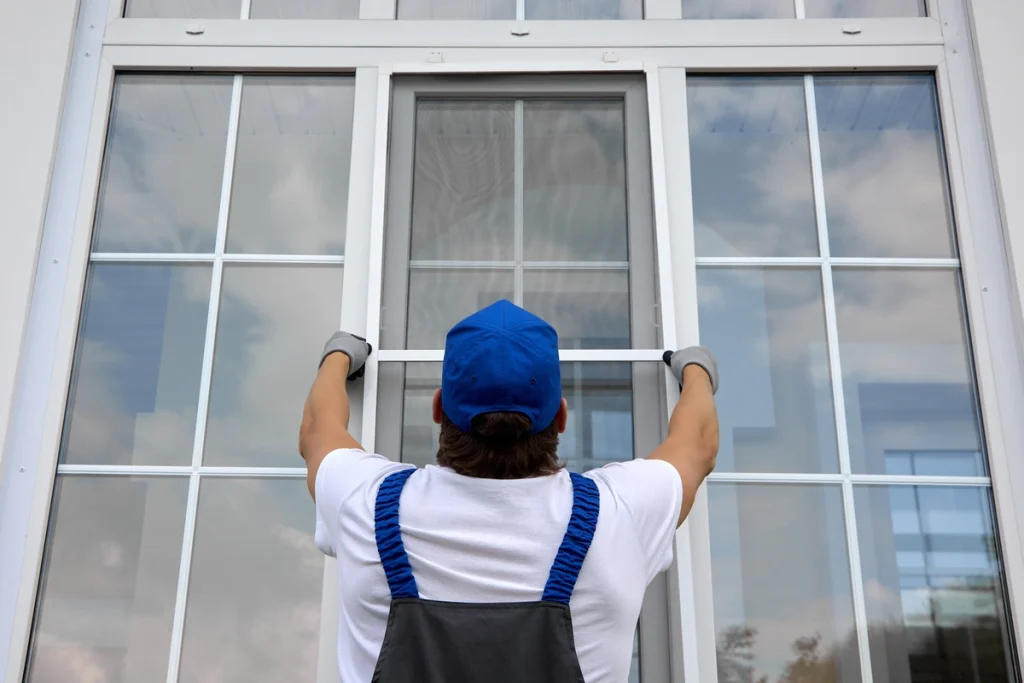
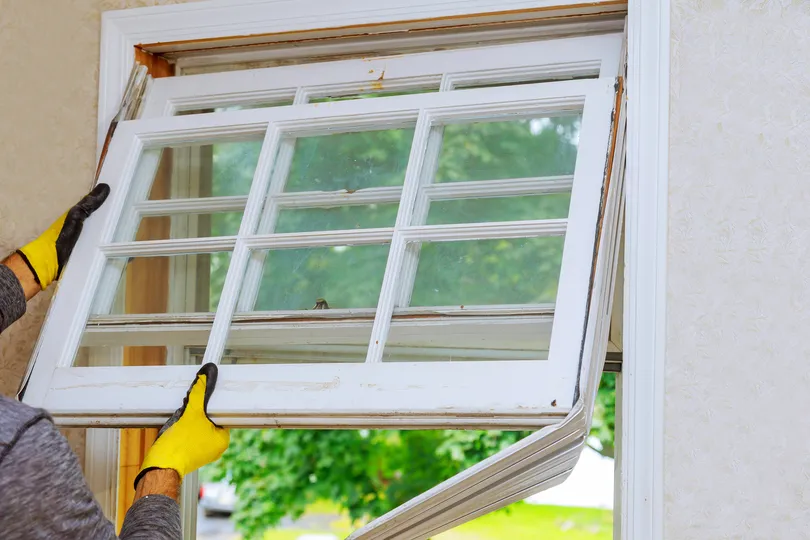
Insert replacement, also called pocket replacement, fits a new window unit into the existing frame. The original frame, sill, and trim stay in place. Labor is lower because there is no demolition of surrounding materials and no need to rebuild the opening from the rough framing. This method works well when the existing frame is structurally sound, square, and free of rot or significant water damage. Insert replacements typically cost $100 to $200 less per window than full-frame alternatives, making them the preferred choice when conditions allow.
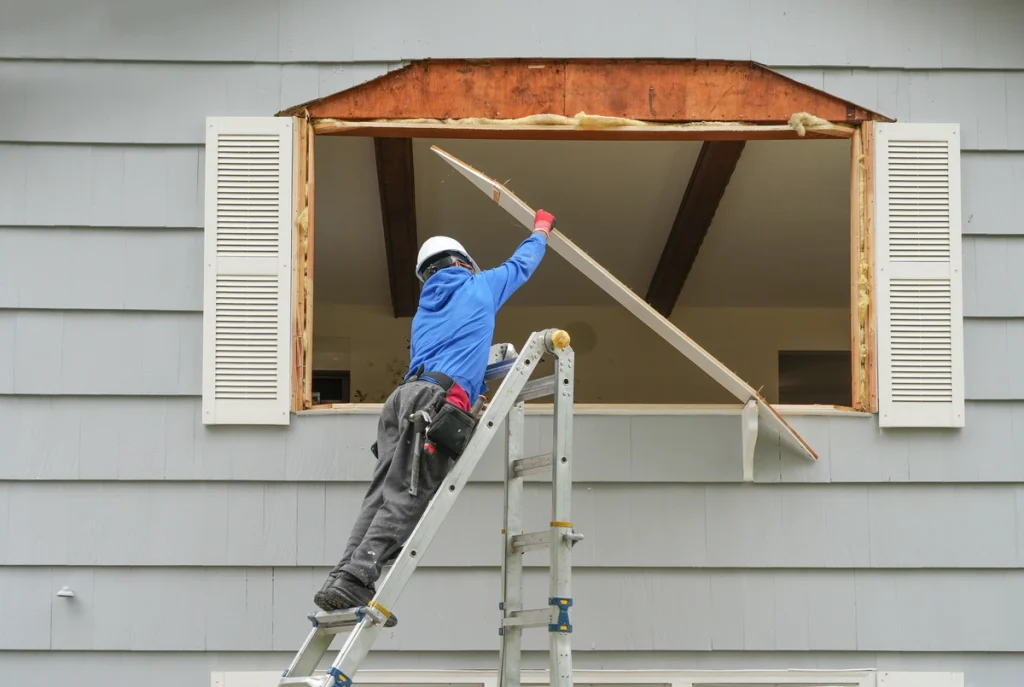
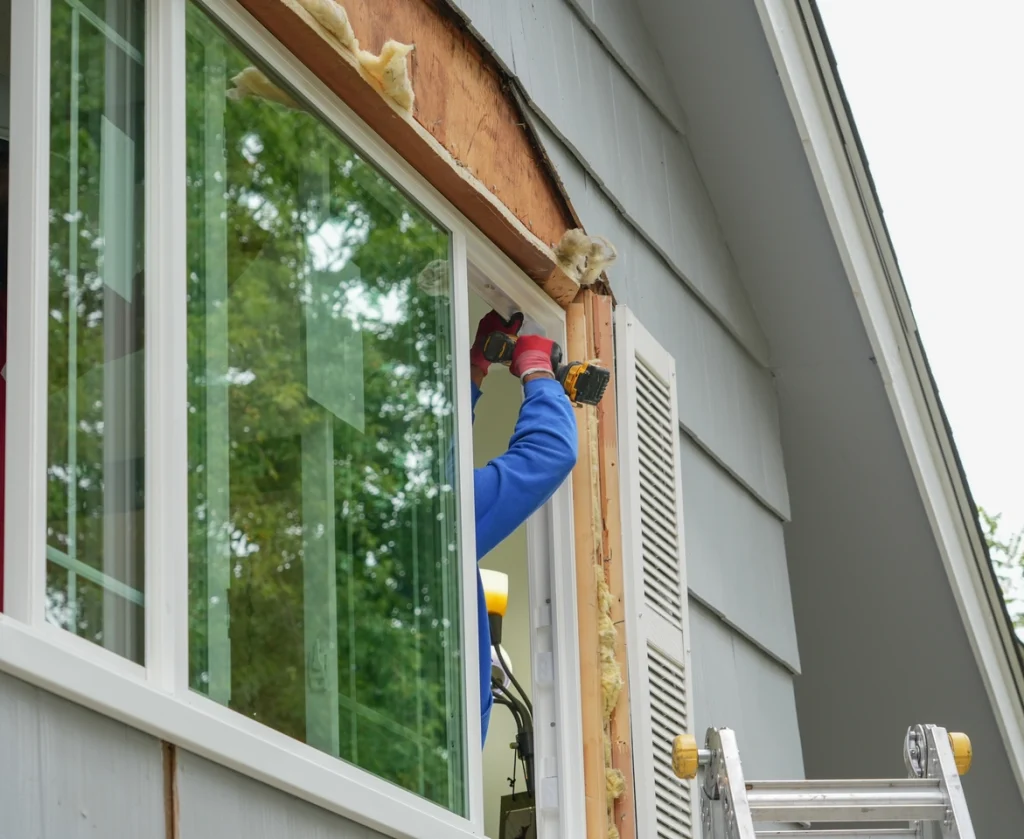
Full-frame replacement removes everything down to the rough opening, including the frame, sill, trim on both sides, insulation, and flashing. This is necessary when the existing frame is rotted, warped, or was never properly sealed or insulated. It is also the correct approach for older homes where the original installation lacked adequate flashing, which can allow water to work its way into the surrounding wall structure over time. Full-frame replacement costs more in both labor and materials, but it produces a properly sealed, well-insulated result that insert replacement cannot achieve in a compromised opening.
A contractor who recommends one method without first inspecting your current frames is skipping a step that matters for both performance and long-term cost. The right call depends entirely on what the existing conditions look like.
How to Budget Wisely and Save Without Cutting Corners
One of the most consequential decisions in any window replacement project is the choice between insert replacement and full-frame replacement. Many homeowners do not know this distinction exists until it appears in an estimate, and understanding it is essential for budgeting accurately.
Insert replacement, also called pocket replacement, fits a new window unit into the existing frame. The original frame, sill, and trim stay in place. Labor is lower because there is no demolition of surrounding materials and no need to rebuild the opening from the rough framing. This method works well when the existing frame is structurally sound, square, and free of rot or significant water damage. Insert replacements typically cost $100 to $200 less per window than full-frame alternatives, making them the preferred choice when conditions allow.
Full-frame replacement removes everything down to the rough opening, including the frame, sill, trim on both sides, insulation, and flashing. This is necessary when the existing frame is rotted, warped, or was never properly sealed or insulated. It is also the correct approach for older homes where the original installation lacked adequate flashing, which can allow water to work its way into the surrounding wall structure over time. Full-frame replacement costs more in both labor and materials, but it produces a properly sealed, well-insulated result that insert replacement cannot achieve in a compromised opening.
A contractor who recommends one method without first inspecting your current frames is skipping a step that matters for both performance and long-term cost. The right call depends entirely on what the existing conditions look like.
How to Budget Wisely and Save Without Cutting Corners
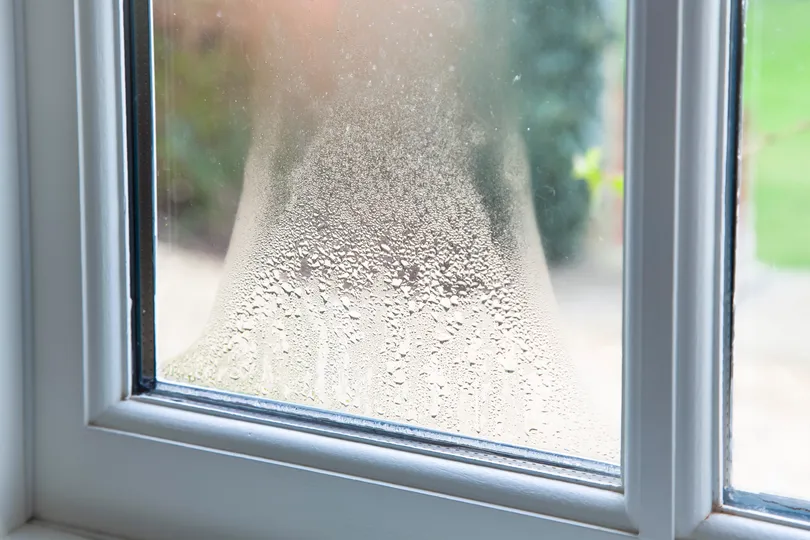
Understanding what drives the cost is the first step. Knowing where there is legitimate room to save, without sacrificing quality or long-term performance, is the next. Several practical strategies can reduce what you pay for a window replacement project without compromising the result.
Take Advantage of Federal Tax Credits
The federal Inflation Reduction Act allows homeowners to claim a tax credit of up to 30 percent of the cost of qualifying Energy Star certified windows, up to $600 per year. This credit applies to the window cost itself and can meaningfully offset the premium paid for higher-performance glass packages or upgraded frame materials.
The important thing to know is that Energy Star certification is not exclusive to the most expensive products on the market. Many mid-range vinyl and fiberglass windows qualify, making it possible to earn the credit without moving to the premium end of the price spectrum. Homeowners in Frederick County and surrounding areas should also check with their local utility provider, as some offer separate rebates for certified energy-efficient replacements that can be stacked with the federal credit.
Know What Every Quote Should Include
Collecting multiple quotes is the right instinct, but comparing them accurately requires knowing what is actually covered in each one. A lower number does not always mean a better deal. It can just as easily reflect a scope that excludes items a competing contractor included from the start.
| Line Item | What to Confirm |
| Window unit cost | Listed per window by style, brand, and model |
| Installation labor | Stated separately from the material cost |
| Removal and disposal | Confirmed as included or explicitly excluded |
| Permit fees | Identified based on your specific municipality |
| Frame or flashing repair | Noted if discovered during the site walkthrough |
| Warranty coverage | Covers both product and installation workmanship |
Any contractor who provides a detailed line-item quote without hesitation is one who stands behind their pricing. A single lump-sum number with no supporting detail is worth questioning before any agreement is signed.
Consider the Timing of Your Project
Window installation contractors in the mid-Atlantic region tend to be busiest in spring and early fall. Scheduling your project during slower months, including late fall or winter, can result in faster scheduling and occasionally more flexibility on pricing. Mild to moderate cold does not prevent quality window installation, so winter is a practical option for homeowners who are not locked into a specific timeline.
Start Your Window Replacement Project the Right Way
Start Your Window Replacement Project the Right Way
Window replacement cost is not a fixed number, and any estimate you receive should reflect the actual conditions of your home rather than a generic range. The right material, glass package, and installation method for your project depends on the condition of your existing frames, your climate exposure, your energy goals, and your budget.
Homeowners in Frederick County and surrounding areas trust ARCH Exteriors for honest assessments, clear pricing, and quality installations backed by hands-on experience. We provide itemized quotes that show exactly what you are paying for, explain the trade-offs between your options before anything is decided, and never recommend upgrades that do not serve your home’s actual needs. Every project we take on is treated with the same care and professionalism we would want for our own homes.
When you are ready to find out what window replacement costs for your specific situation, contact us today to schedule a free in-home estimate with the ARCH Exteriors team.
How much should I expect to pay for a new window?
Prices vary based on material and type, but typically range from $300 to $1,200 per window, including installation.
What does window replacement include?
It typically includes removing the old window, installing the new one, sealing, insulation, and cleanup. Some services also cover trim or frame repairs.
Is it worth replacing 20-year-old windows?
Yes, if they are drafty, inefficient, or damaged, new windows improve energy efficiency, comfort, and home value.
Does home insurance cover window replacement?
Only if the damage is caused by a covered peril (e.g., storms, vandalism). Wear and tear or age-related issues are not covered.