Window Glass Types Explained: 8 Options for Your Home
 12 minutes
 September 29, 2026
 Most homeowners spend significant time choosing a window frame material and style, then accept whatever glass comes standard with the unit. That is a missed opportunity. Window glass types vary more than most buyers realize, and the glass you choose determines how well your windows insulate, how safe they are in certain locations, how much privacy they provide, and how they handle the specific solar and climate conditions your home faces. If you are in the process of selecting new windows, seeing the full range of what a replacement window project can include helps put the glass decision in its proper context.
Here is what this guide covers:
- All 8 window glass types with a clear explanation of what each one does
- The coatings and gas fills that enhance glass performance beyond the base type
- A room-by-room guide to choosing the right glass for each application
- How to compare glass options when reading window product specifications
Why the Glass Is the Most Important Part of the Window
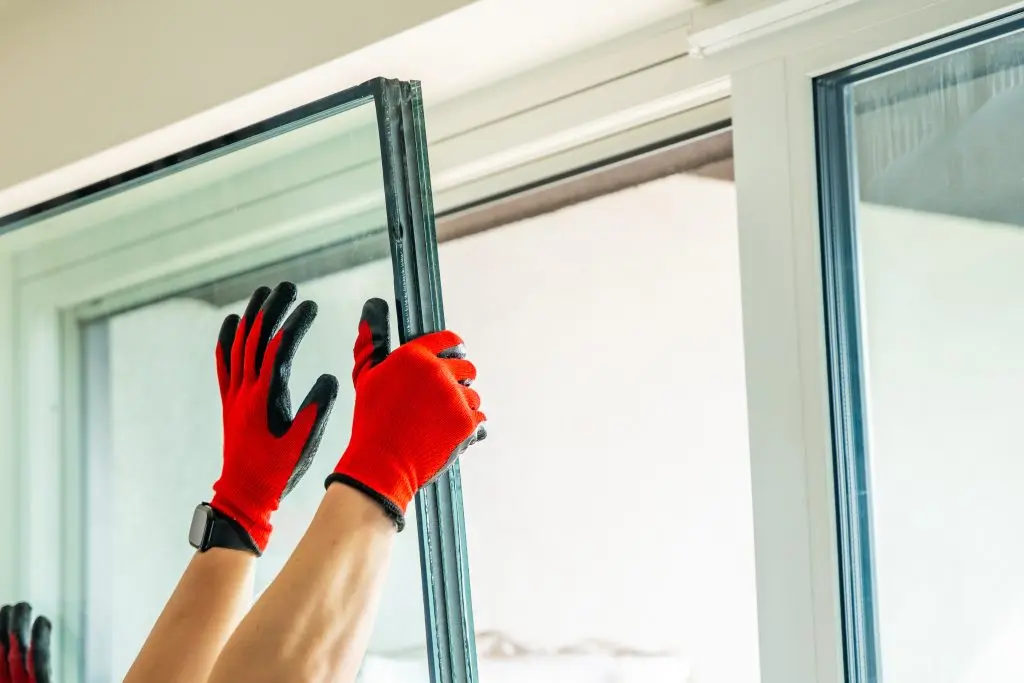
It is easy to think of the frame as the main component of a window. The frame is what you see, touch, and interact with every time you open or close the unit. But from a performance standpoint, the glass is doing most of the work. The glass determines how much heat escapes through the window in winter, how much solar heat enters in summer, how much outside noise reaches the interior, whether the window meets building code in safety-critical locations, and how much UV radiation your furniture and flooring absorb year after year.
Homeowners in Frederick County and surrounding areas deal with a climate that tests windows in both directions: hot, humid summers with significant solar heat gain and cold winters where heat loss through inadequately insulated glass drives up heating costs every month. The right glass type for this region performs well in both seasons, which is why understanding the options before choosing a window is worth the time it takes.
- Energy performance: The glass determines the window’s U-factor, which measures how quickly heat passes through, and its Solar Heat Gain Coefficient, which measures how much solar energy enters the home. Both figures appear on the Energy Star label and directly affect your heating and cooling costs.
- Safety compliance: Building codes require specific glass types in certain locations, including bathrooms, near floor level in living areas, and in doors. Using the wrong glass type in these locations is a code violation that creates both legal and safety risk.
- Comfort: Glass that insulates poorly creates cold interior surfaces in winter, which leads to drafts and condensation. Glass that allows excessive solar gain creates hot spots in summer that air conditioning cannot fully compensate for.
- Sound control: Laminated glass and thicker glazing configurations reduce exterior noise transmission significantly compared to standard double-pane units, which matters for homes near roads, transit, or commercial areas.
- UV protection: Standard glass transmits UV radiation that fades furniture, flooring, and art over time. Coated glass blocks up to 99 percent of UV exposure, preserving interior finishes at no visible cost to light transmission.
8 Window Glass Types Explained
The eight types below cover the full range of options available for residential windows. Some are defined by how many layers of glass the unit contains. Others are defined by how the glass has been treated or modified. Many windows combine multiple types, such as double-pane low-E tempered glass in a bathroom application.
Understanding each type individually makes it possible to understand how they combine in practice and to ask the right questions when reviewing a window specification sheet.
1. Single-Pane Glass
Single-pane windows contain one layer of glass with no insulating air or gas space. They were the residential standard until double-pane technology became widely available in the 1970s and 1980s. Single-pane glass has an R-value of approximately 0.9, which means it provides almost no thermal resistance against heat transfer in either direction.
Single-pane windows are still found in older homes, particularly in detached garages, outbuildings, and residences built before the 1970s. They are not appropriate for primary residential installations in Frederick County and surrounding areas given the region’s temperature extremes and the energy code requirements that apply to new and replacement window installations. Upgrading from single-pane to double-pane or better is one of the most significant energy performance improvements available in an older home.
2. Double-Pane Glass (Insulated Glass Unit)
Double-pane glass, formally called an insulated glass unit or IGU, consists of two glass panes separated by a sealed space filled with air or an insulating gas. This sealed space dramatically reduces heat transfer compared to single-pane glass. A standard double-pane IGU has an R-value of approximately 2 to 3, which represents a substantial improvement over single-pane.
Double-pane glass is the baseline standard for replacement windows in the residential market today. Most Energy Star certified windows begin with double-pane construction as the minimum qualifying configuration, and the majority of replacement windows installed in Maryland and Virginia homes use this type as their starting point before adding coatings and gas fills.
- Center-of-glass R-value: approximately 2.0 to 3.0
- Standard configuration for most residential replacement windows
- Performance can be significantly enhanced with Low-E coatings and argon or krypton gas fills
3. Triple-Pane Glass
Triple-pane glass adds a third layer of glass to the IGU, creating two separate sealed spaces between the three panes. This additional air or gas space further reduces heat transfer and improves the window’s overall insulating performance. Triple-pane glass typically achieves an R-value of 4 to 6 or higher depending on the coatings and gas fills used.
The trade-offs compared to double-pane are weight, cost, and frame requirements. Triple-pane units are significantly heavier, which affects the frame’s structural requirements and can make casement and double-hung windows more difficult to operate over time. They cost 20 to 30 percent more than equivalent double-pane units. For most homes in the mid-Atlantic region, high-performance double-pane low-E glass with argon fill delivers comparable real-world performance at a lower price point. Triple-pane becomes the clear choice in very cold climates or on heavily exposed north-facing elevations.
4. Low-E Glass
Low-E glass has an invisible metallic oxide coating applied to one surface of the glass that reflects infrared radiation. In winter, this coating reflects heat back into the room before it can escape through the glass. In summer, it reflects solar infrared radiation away from the home before it can enter as heat. The result is a glass that performs better in both heating and cooling seasons simultaneously.
Low-E coatings are categorized by where the coating is applied and how aggressive the solar reflection is. Soft-coat Low-E, applied in the factory as part of the IGU manufacturing process, is more effective than hard-coat Low-E but must be sealed within the unit because it is sensitive to oxidation. Most quality replacement windows today come with soft-coat Low-E as a standard or available option. In Frederick County and surrounding areas, a Low-E coating tuned for a mixed heating and cooling climate, with a moderate Solar Heat Gain Coefficient, is appropriate for most orientations.
- Blocks 40 to 70 percent of heat transfer compared to uncoated double-pane glass
- Available in configurations optimized for heating-dominant or cooling-dominant climates
- Often combined with argon gas fill for combined performance improvement
- Qualifies most windows for Energy Star certification and federal tax credits
5. Tempered Glass
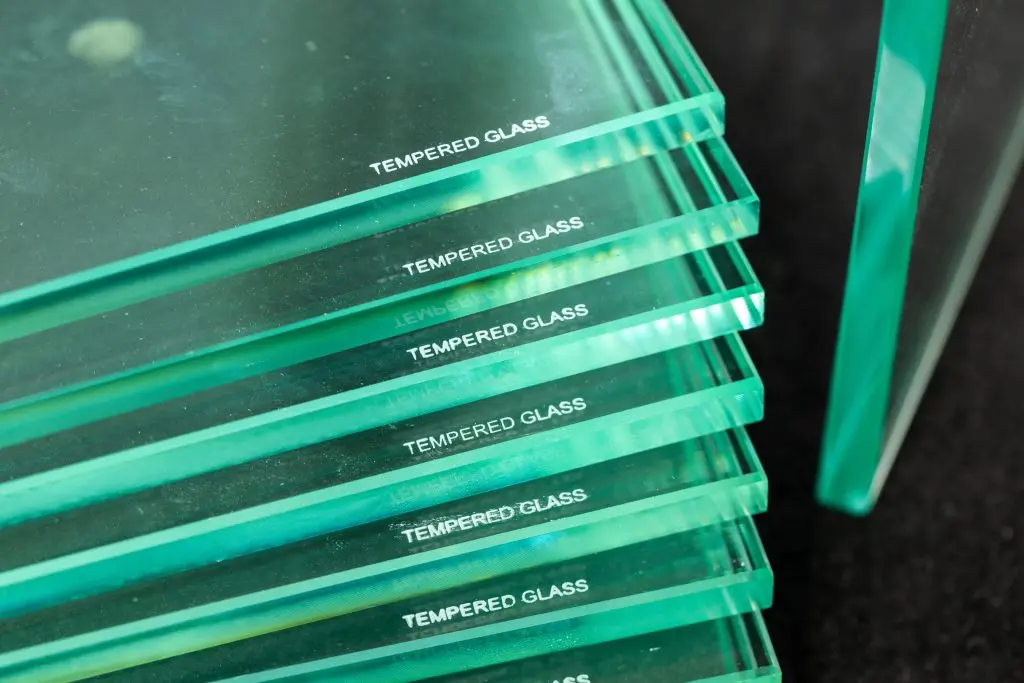
Tempered glass is produced by heating standard glass to approximately 1,200 degrees Fahrenheit and then rapidly cooling it. This process puts the glass surface under compression and the interior under tension, creating a glass that is four to five times stronger than standard annealed glass of the same thickness. More importantly, when tempered glass breaks, it fractures into small, rounded granules rather than sharp shards, dramatically reducing the risk of injury.
Building codes require tempered glass in locations where human impact is a realistic risk. These include windows within 18 inches of a door, windows with a sill height less than 18 inches from the floor in living areas, bathroom windows within 60 inches of a tub or shower, and all skylights. Using non-tempered glass in these locations is a code violation in most jurisdictions. A reputable window installer will specify tempered glass automatically in qualifying locations.
6. Laminated Glass
Laminated glass consists of two or more glass layers bonded together with a clear plastic interlayer, typically polyvinyl butyral (PVB). When laminated glass breaks, the interlayer holds the glass fragments in place rather than allowing them to scatter. This property makes laminated glass the preferred choice for skylights, overhead glazing, hurricane and impact-resistant applications, and locations where security is a priority.
Beyond safety, laminated glass provides superior sound attenuation compared to standard double-pane glass. The PVB interlayer absorbs and dampens sound vibrations in a way that air or gas-filled spaces cannot. Homes near major roads, highways, or commercial areas benefit from laminated glass in street-facing windows, often achieving 5 to 8 additional decibels of sound reduction compared to standard IGU configurations.
7. Obscure and Privacy Glass
Obscure glass has a textured or frosted surface that scatters light as it passes through, obscuring visibility while still allowing significant light transmission. It is most commonly used in bathroom windows, bathroom doors, and other locations where natural light is desired without visibility from the exterior.
Privacy glass is available in a range of obscurity levels, from light textures that only slightly distort visibility to fully frosted surfaces that transmit diffuse light with no discernible images through the glass. The appropriate obscurity level depends on the window’s proximity to neighboring structures and the degree of privacy needed. Obscure glass can be tempered, which is typically required when it is used in bathroom applications near a tub or shower.
8. Tinted Glass
Tinted glass incorporates color into the glass itself during the manufacturing process, typically in shades of bronze, gray, or green. The tint reduces visible light transmission and solar heat gain compared to clear glass, which can reduce glare and summer cooling loads in south and west-facing windows.
The trade-off is reduced visible light transmission even on overcast days, which can make interior spaces feel darker than the homeowner intended. Tinted glass is most appropriate in commercial applications and in climates with very high solar exposure. In the mid-Atlantic residential market, a Low-E coating on clear glass typically delivers better all-season performance than tint alone, because Low-E works selectively on infrared radiation while preserving visible light transmission.
Glass Coatings and Enhancements That Improve Any Type
Beyond the base glass type, several coatings and enhancements significantly affect how any window glass performs. Understanding these additions separately from the glass type itself helps when comparing products that may use the same base glass but very different performance levels.
Argon and Krypton Gas Fills
The space between panes in a double or triple-pane IGU is filled at the factory with either air or an inert gas. Air is free but provides the minimum insulating benefit. Argon gas is denser than air and slows heat transfer more effectively. It is the standard upgrade for quality residential windows and adds approximately 10 to 15 percent to the unit’s thermal performance at a cost of $30 to $75 per window. Krypton gas performs better than argon in thinner spaces but costs significantly more and is typically reserved for triple-pane configurations or specialty products.
Warm-Edge Spacer Bars
The spacer bar that runs around the perimeter of the sealed unit to maintain the gap between panes conducts heat at the edges of the glass, which reduces the effective performance of the center-of-glass area and increases the risk of condensation at the glass edges. Warm-edge spacers use materials with lower thermal conductivity, such as foam, silicone, or structural foam composites, to reduce this edge-of-glass heat loss. Most quality replacement windows include warm-edge spacers as a standard feature.
Anti-Reflective and Hydrophobic Coatings
Anti-reflective coatings reduce the reflective quality of the glass surface, which improves clarity and reduces glare on certain products. Hydrophobic coatings cause water to bead and roll off the exterior glass surface, reducing water spots and the frequency of exterior cleaning required. Both are optional enhancements that improve the ownership experience without affecting thermal performance.
Choosing the Right Glass Type by Room
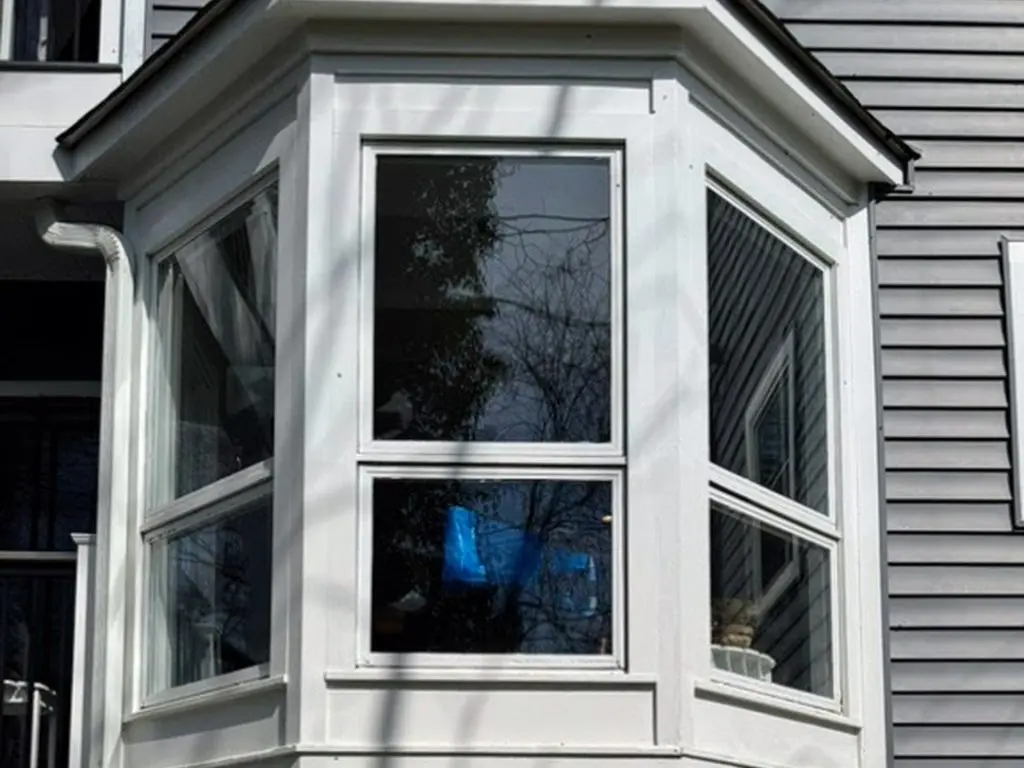
Not every window in a home needs the same glass. Building code requirements, privacy needs, solar exposure, and sound considerations vary by location within the house. The table below summarizes the recommended glass approach for the most common residential applications.
| Room or Application | Recommended Glass | Key Reason |
| Primary bedroom | Double-pane low-E with argon | Energy performance and comfort |
| Bathroom | Tempered obscure glass | Code requirement near tub/shower, privacy |
| Kitchen above counter | Double-pane low-E, tempered if below 18 inches | Performance and code compliance |
| Living room, south-facing | Double-pane low-E, lower SHGC | Reduce summer solar heat gain |
| Living room, north-facing | Double-pane low-E, higher SHGC | Maximize passive solar in winter |
| Basement egress window | Tempered | Code requirement for below-grade applications |
| Skylight | Laminated, tempered | Code requirement for overhead glazing |
| Street-facing rooms | Laminated or triple-pane | Noise reduction |
| Home office with UV concern | Low-E with UV block coating | Protect screens and furnishings from UV |
Get the Right Glass for Your Windows with ARCH Exteriors
Understanding window glass types is the foundation of making a good window selection, but translating that knowledge into a specific product for your specific home requires knowing how each glass type applies to your home’s orientation, climate exposure, and room-by-room needs.
Homeowners in Frederick County and surrounding areas trust ARCH Exteriors to guide that process with product knowledge and honest recommendations. We install ProVia replacement windows with a full range of glass options, including Energy Star certified configurations that qualify for the federal 30 percent tax credit, and we explain every specification in plain terms before any decision is made.
When you are ready to find the right windows for your home, contact us today to schedule a free in-home consultation with the ARCH Exteriors team.