


Vinyl vs Aluminum Windows: 10 Essential Facts for Homeowners
 9 minutes
 September 4, 2024
 When it comes to upgrading your home’s windows, the choice between vinyl vs aluminum windows can be a difficult one. Both materials offer unique strengths and potential drawbacks, and the right decision often depends on your climate, budget, and design preferences.
This comprehensive guide will walk you through everything you need to know about vinyl vs aluminum windows, including how they compare in terms of durability, energy efficiency, cost, maintenance, and more. Whether you’re planning a full home renovation or replacing a few aging windows, this side-by-side comparison will help you choose the best option for your needs.
Key Takeaways:
- Understand how vinyl and aluminum windows differ in performance, cost, and design.
- Learn which material is better suited for Maryland and Virginia’s climate.
- Get practical comparisons on energy efficiency, maintenance, durability, and more.
- Find out which option aligns best with your budget, home style, and long-term goals.
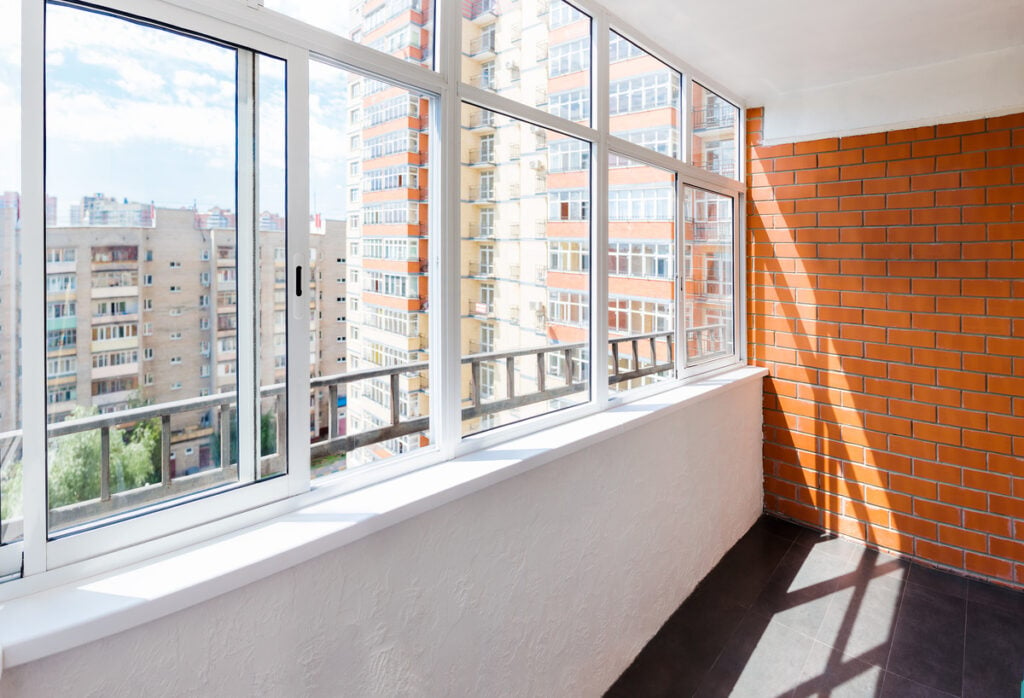
Understanding Vinyl and Aluminum Windows
Vinyl vs aluminum windows is a common comparison for homeowners seeking durable, energy-efficient, and visually appealing window replacements. Each material brings different strengths depending on your priorities. Whether it’s insulation, modern aesthetics, or long-term durability.
Vinyl Windows:
- Made from PVC (polyvinyl chloride), a durable synthetic material
- Offer superior thermal insulation, reducing energy bills
- Resistant to moisture. Ideal for humid or rainy climates
- Require minimal maintenance, no painting or sealing needed
Aluminum Windows:
- Made from lightweight, corrosion-resistant metal
- Known for a sleek, contemporary look with thinner frames
- Extremely durable and resistant to warping or cracking
- Can conduct heat and cold unless fitted with a thermal break
Grasping these core differences is the first step toward choosing the right window for your home’s location, style, and long-term performance goals.
10 Comparisons Between Vinyl and Aluminum Windows
When replacing your windows, understanding the trade-offs between vinyl and aluminum is crucial. Each material performs differently across cost, efficiency, maintenance, and appearance. This side-by-side guide will help you choose the best fit for your home, climate, and priorities.
1. Durability and Longevity
Vinyl Windows: Made from PVC, vinyl resists rust, rot, and corrosion. It performs well in most climates and won’t chip or peel over time. However, extreme heat can occasionally lead to warping.
Aluminum Windows: Aluminum is structurally stronger and resists impact better—ideal for large window openings or high-wind areas. However, without a protective finish, it can corrode in coastal or humid regions.
Best For:
- Aluminum: Modern homes or regions with strong winds
- Vinyl: Moist, humid, or freeze-thaw environments
2. Energy Efficiency
Vinyl Windows: Vinyl frames have excellent insulation due to their low thermal conductivity. This helps reduce energy bills and maintain stable indoor temperatures year-round.
Aluminum Windows: Aluminum conducts heat and cold, making it less energy-efficient without upgrades. Thermal breaks (insulating spacers within the frame) can help but usually cost more.
If energy efficiency is a top concern, vinyl outperforms aluminum, especially in cold or hot climates.
3. Maintenance Requirements
Vinyl Windows: Vinyl is virtually maintenance-free. It never needs painting and can be cleaned with soap and water. The color is baked-in, so it won’t peel or fade easily.
Aluminum Windows: Aluminum may need occasional repainting or refinishing to maintain its appearance. Tracks and hinges might also require periodic lubrication.
4. Cost Considerations
Vinyl Windows: Typically 20–30% less expensive than aluminum. Offers good long-term value and efficiency without a high upfront investment.
Aluminum Windows: Costs more to manufacture and install, especially with added thermal enhancements. Still, they offer durability that can pay off over time.
For affordable replacements, vinyl is more cost-effective especially in full-home renovations or rentals.
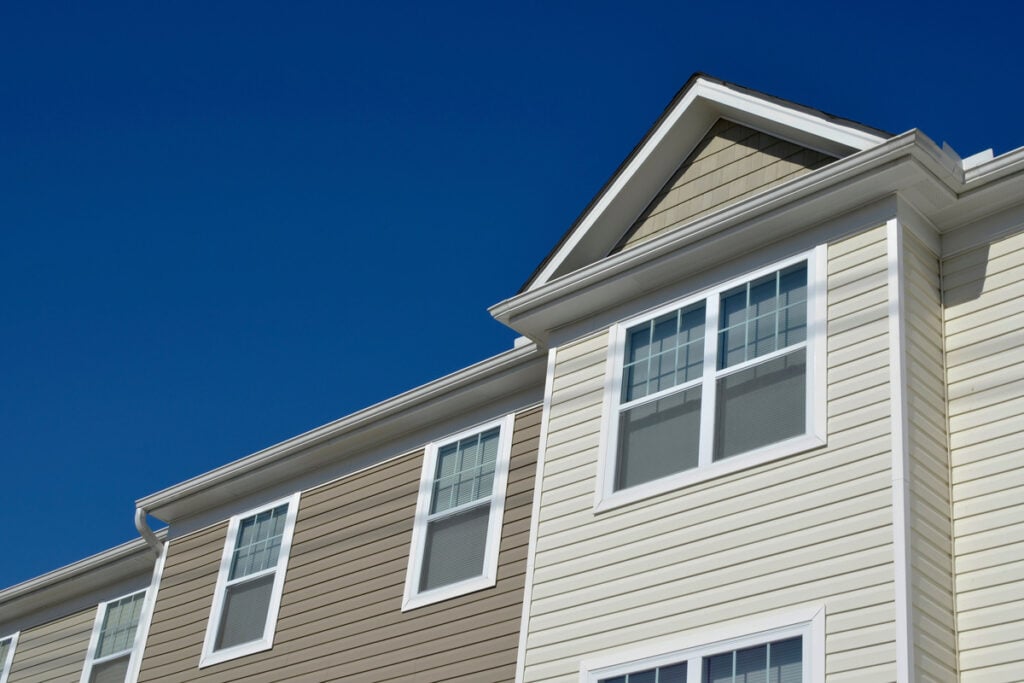
5. Aesthetic Appeal
Vinyl Windows: Available in a variety of colors and faux-wood finishes. However, frame sizes are often thicker, which can limit glass area and feel bulky in modern homes.
Aluminum Windows: Offers slim profiles, clean lines, and a minimalist aesthetic. Perfect for contemporary or industrial-style homes where design matters.
Best For:
- Aluminum: Sleek, modern architecture
- Vinyl: Traditional homes, budget-conscious style
6. Installation Process
Vinyl Windows: Lightweight and easier to handle, which often reduces installation time and labor costs.
Aluminum Windows: Heavier and may require more precise installation. However, their rigidity ensures a tight, secure fit once in place.
7. Environmental Impact
Vinyl Windows: PVC is not biodegradable, and manufacturing has a higher carbon footprint. However, some brands offer recycling programs for old units.
Aluminum Windows: Aluminum is fully recyclable and often made with recycled material. It can be reused without loss in quality.
Eco-Friendly Choice: Aluminum has the edge due to its recyclability.
8. Security Features
Vinyl Windows: Generally secure, especially when equipped with multi-point locking systems. However, the frame itself is less impact-resistant than metal.
Aluminum Windows: Extremely strong and hard to bend or break. Often used in commercial or high-security buildings for this reason.
9. Sound Insulation
Vinyl Windows: Excellent at reducing outside noise, thanks to airtight construction and low-conductivity frames.
Aluminum Windows: Can provide good insulation when paired with double or triple-pane glass, but the frame itself transfers sound more easily than vinyl.
10. Resale Value
Vinyl Windows: Boost appeal through energy efficiency, low maintenance, and modern color options. Often cited as a top ROI home upgrade.
Aluminum Windows: Enhance resale in high-end, design-driven homes where sleek aesthetics are a selling point.
Best For Resale:
- Aluminum: High-end, modern homes or architect-designed builds
- Vinyl: Energy-conscious buyers and family homes
Vinyl vs. Aluminum Windows: Side-by-Side Comparison
| Feature | Vinyl Windows | Aluminum Windows |
|---|---|---|
| Durability | Weather-resistant, no rust or corrosion; can warp in extreme heat | Very strong and impact-resistant; can corrode in coastal climates without coating |
| Energy Efficiency | Excellent insulation, low thermal conductivity | Poor without thermal break; good if upgraded with thermal barrier |
| Maintenance | No painting required, easy to clean | May need repainting and hardware maintenance |
| Cost | Generally more affordable; good ROI | Higher upfront cost; pays off in strength and aesthetics |
| Aesthetic Appeal | More color and texture options (e.g. wood-look) | Slim frames, modern design; fewer color choices |
| Installation | Lightweight and quick to install | Heavier; more complex installation but very secure fit |
| Environmental Impact | Made from PVC (non-biodegradable); some recycling available | Fully recyclable and often made from recycled material |
| Security | Secure with proper locks, but frame is less strong | Very strong; high resistance to forced entry |
| Sound Insulation | Excellent noise reduction | Decent with glazing, but aluminum conducts sound more easily |
| Resale Value | Adds value through energy savings and ease of upkeep | Adds value through modern look and structural strength |
Best Window Choice for Maryland & Virginia Homeowners
Winters + Summers = Energy Efficiency Matters
These mid-Atlantic states experience a full range of weather, from winter snow to summer heatwaves. That makes insulation and energy efficiency a top priority for homeowners here.
- Vinyl windows are often the better fit in this region due to their superior thermal insulation. They help keep your home warm in winter and cool in summer reducing the load on your HVAC system.
- Aluminum windows, unless upgraded with a thermal break, may transfer outdoor temperatures inside leading to potential energy loss.
Humidity and Moisture Resistance
Maryland and parts of Virginia, especially near the coast or Chesapeake Bay, can be quite humid. Over time, this can lead to corrosion issues with untreated aluminum frames.
- Vinyl is naturally resistant to moisture, rust, and rot, making it a better choice for homes in humid or coastal zones.
- Aluminum is still viable in these areas but only if treated with a corrosion-resistant coating or anodized finish.
What to Consider Based on Location
| Factor | Best Option | Why |
|---|---|---|
| Hot summers & cold winters | Vinyl Windows | Better insulation helps manage seasonal extremes |
| High humidity or coastal air | Vinyl Windows | Moisture-resistant; won’t corrode or rust |
| Large window spans | Aluminum Windows | Stronger frame supports bigger openings |
| Sleek, modern design | Aluminum Windows | Slimmer frames and contemporary aesthetic |
What Window Frame Material Do Contractors Recommend?
At Arch Exteriors, our installation team often recommends vinyl windows for most Maryland and Virginia homes due to the region’s seasonal temperature swings and humidity. Vinyl performs exceptionally well in both cold winters and hot, sticky summers.
However, for modern homes with large window openings or minimalist aesthetics, our team may recommend aluminum windows for their strength and slimmer profiles. We always assess factors like your design goals, local exposure, and budget before making a recommendation.
We also partner with Energy Star-rated manufacturers to ensure all installations meet local building codes and energy efficiency standards.
Cost Breakdown: Vinyl vs. Aluminum Over 10 Years
| Feature | Vinyl Windows | Aluminum Windows |
|---|---|---|
| Average Cost (Per Window) | $400–$650 | $600–$1,000 |
| Installation Cost | Lower – lighter material, easier to install | Higher – heavier frames, more precise fitting |
| Maintenance Cost | Minimal – no repainting or sealing | Moderate – may require repainting/lubrication |
| Estimated Energy Savings | $150–$300/year in MD/VA homes | $50–$150/year (if no thermal break) |
| Lifespan | 20–40 years | 25–45 years (if treated against corrosion) |
| Total Ownership Cost (10 yrs) | Lower total cost due to energy and maintenance savings | Higher long-term cost unless optimized for insulation |
For homes in Maryland or Virginia, vinyl windows tend to be more cost-effective over 10 years, especially when factoring in energy savings and low maintenance needs. However, aluminum may still be worth the investment in modern builds or areas where design or durability is a top priority.
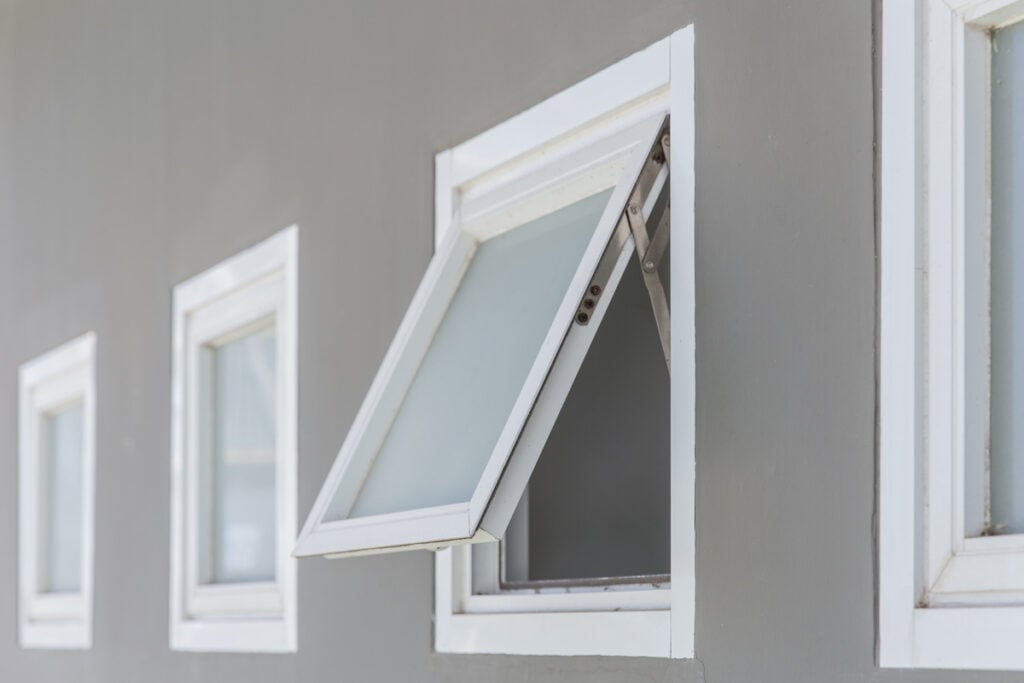
Choosing the Right Windows for Your Home
Choosing between vinyl and aluminum windows depends on various factors, including budget, aesthetic preferences, and specific needs. Vinyl windows offer superior energy efficiency, low maintenance, and affordability, making them an excellent choice for many homeowners. On the other hand, aluminum windows provide a sleek, modern look, exceptional durability, and enhanced security features.
At ARCH Exteriors, we understand the importance of making the right choice for your home. Our expert team is here to help you decide which windows best meet your needs. With extensive experience serving Montgomery County, MD, and Virginia, you can trust us to deliver high-quality, long-lasting solutions.
Ready to upgrade your windows? Contact ARCH Exteriors today and start your project with confidence. We offer personalized service, customized options, and lifetime warranties on all products. Your home deserves the best. Choose ARCH Exteriors for exceptional quality and peace of mind.
FAQ’s
What are the negatives of vinyl windows?
Vinyl windows, while affordable and energy-efficient, can sometimes warp in extreme heat and may not last as long in very hot climates. They also have thicker frames, which can reduce glass area compared to aluminum. Some homeowners feel vinyl lacks the sleek, modern look of metal-framed windows.
Do people still use aluminum windows?
Yes. Aluminum windows remain popular, especially in modern or custom-built homes. Their slim frames allow for larger glass areas, making them ideal for contemporary designs. They’re also highly durable and often chosen for commercial buildings and high-rise residences.
Which windows add more resale value?
Both can add resale value. Vinyl is attractive to buyers because of its energy savings and low maintenance. Aluminum can appeal to buyers looking for a modern, high-end look. The better choice depends on your home’s style and the preferences of buyers in your area.
How do I know which option is best for me?
Consider your climate, budget, and design goals. Vinyl is often best for energy efficiency and affordability, while aluminum is chosen for durability and aesthetics. Speaking with a local contractor can help match the right material to your home’s needs.


