


Siding Inspection: 8 Signs of Damage & Maintenance Tips
 7 minutes
 January 13, 2026
 Your siding is one of your home’s first lines of defense against the elements, yet it’s often overlooked until visible problems emerge. Scheduling a regular siding inspection ensures that you catch issues early—before they turn into costly repairs or compromise your home’s structure. For homeowners in Gaithersburg and surrounding areas, where seasonal weather and humidity can take a toll, paying attention to exterior maintenance is especially important. If you notice any red flags or haven’t had a checkup in years, it may be time to explore what options are available through a qualified contractor in your area.
In this blog, you’ll learn:
- What makes siding inspections essential for homeowners
- The most common signs of damage to look for
- How to conduct a basic inspection (or when to call in a pro)
- Simple maintenance tips to extend your siding’s lifespan
Why Siding Inspections Matter
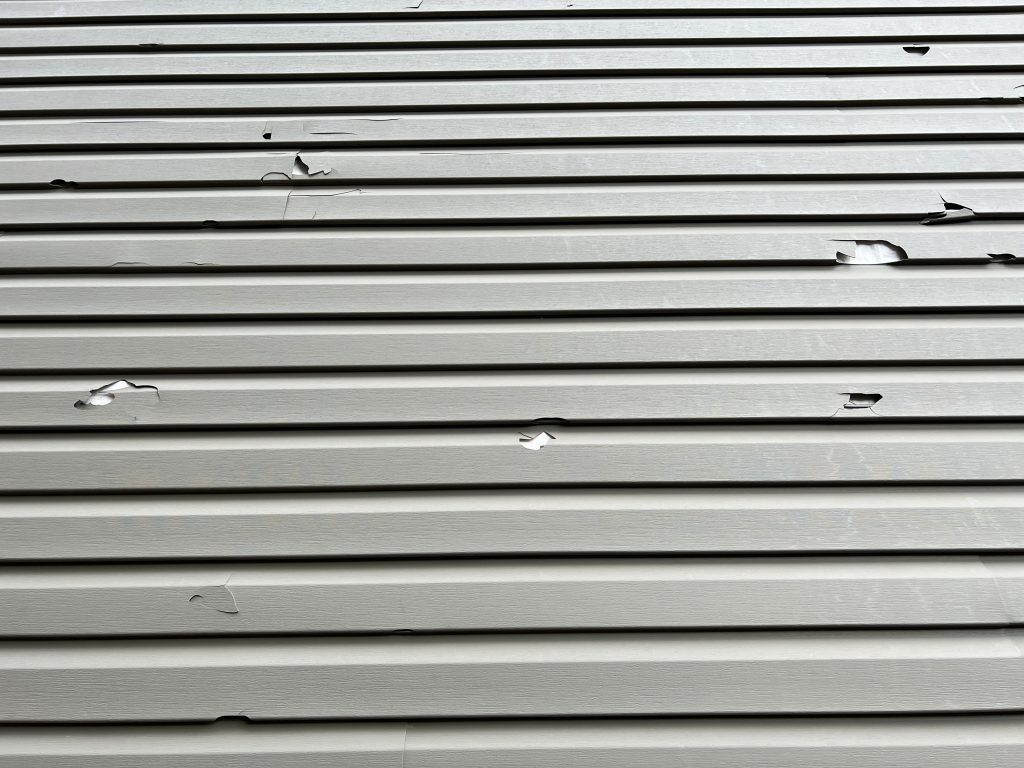
Your siding does more than make your home look good—it plays a major role in protecting your investment. Here’s why siding inspections should be part of your home maintenance routine.
- Protects Structural Integrity: Cracked or warped siding can allow moisture into the wall cavity, leading to mold, rot, and long-term structural damage.
- Boosts Energy Efficiency: Gaps or damage in siding can cause drafts and make it harder to regulate indoor temperatures, raising your utility bills.
- Preserves Home Value: Visibly damaged or aging siding reduces curb appeal and may raise concerns during resale inspections.
- Prevents Pest Intrusion: Damaged siding can allow insects or small animals to nest behind panels or inside your home.
- Saves on Repairs: Early detection of small issues can help you avoid full siding replacement or costly interior remediation.
For homes in Gaithersburg and surrounding areas, where humid summers and cold winters put your exterior to the test, these inspections are especially useful.
8 Key Signs of Siding Damage
Regular inspections help you spot potential problems before they escalate. Here are eight common warning signs to look for during a siding inspection.
1. Cracks, Chips, or Holes
Small cracks or chips might seem harmless, but they’re often the first sign of impact damage or material breakdown.
- Look along the base and corners of your siding panels.
- Hail, wind-blown debris, or stray lawn equipment can cause damage.
- Even minor holes can allow moisture or insects inside.
2. Warping or Buckling Panels
Panels that appear warped, wavy, or bubbled could indicate serious underlying issues.
- Warping often points to trapped moisture behind the siding.
- Buckling can occur if siding was installed too tightly, with no room to expand.
- This is especially common in older vinyl installations.
3. Fading or Discoloration
UV exposure will cause gradual fading, but sudden or uneven discoloration can signal more serious problems.
- Streaking may indicate water running down from gutters or flashing.
- Dark spots can point to mold, mildew, or algae buildup.
- Discoloration around vents could suggest heat damage.
4. Soft or Rotted Areas
Wood siding and even composite materials are vulnerable to rot if not maintained properly.
- Gently press on the siding with your hand or a tool—if it feels soft or crumbles, it needs attention.
- Rot often starts near seams, at the base of walls, or under eaves where water runoff accumulates.
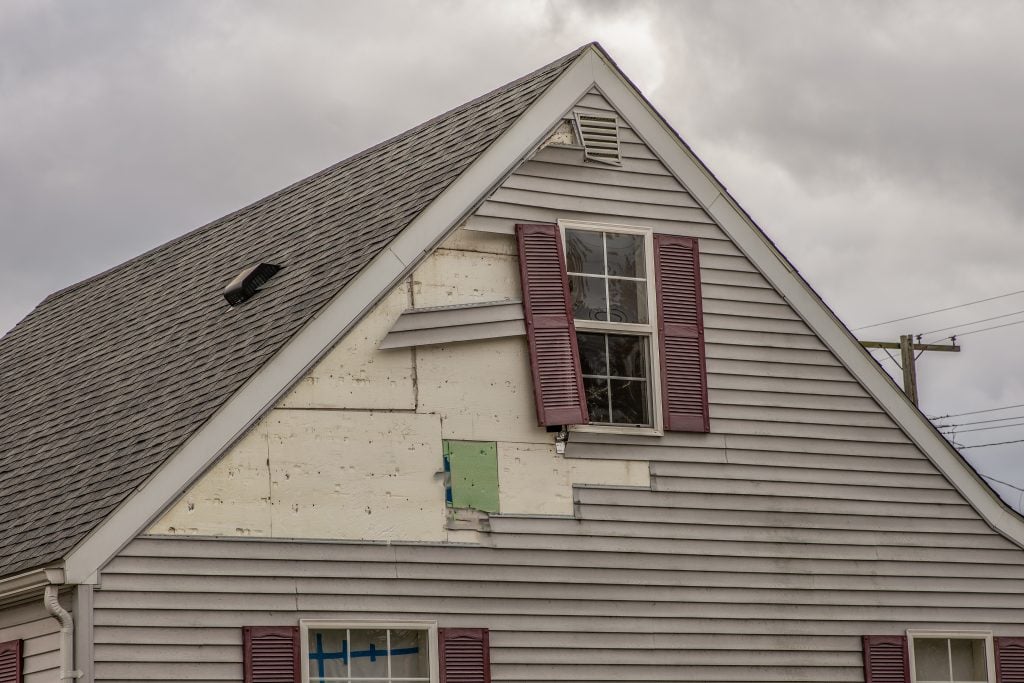
5. Loose or Missing Panels
Any visible gaps or missing siding panels should be addressed immediately.
- High winds may have lifted or ripped off pieces.
- Improper fastening during installation can cause panels to work loose over time.
- Gaps reduce insulation and make your home vulnerable to pests and weather.
6. Peeling Paint or Caulking
Paint and caulk act as a protective layer, especially for wood and fiber cement siding.
- Peeling or flaking paint means the siding isn’t sealed against moisture.
- Dried-out or cracked caulking allows water intrusion at seams and joints.
7. Mold, Mildew, or Algae Growth
Excessive growth of green or black material may indicate poor drainage or prolonged moisture exposure.
- Check shaded or north-facing walls.
- Algae and mildew are common in humid areas like Gaithersburg and surrounding areas.
8. Interior Wall Issues
Sometimes the first signs of siding failure show up inside your home.
- Watch for peeling paint, bubbling drywall, or musty odors.
- These can indicate hidden leaks from siding damage outside.
How to Conduct a Basic Siding Inspection

Doing your own siding check a few times a year—especially in spring and fall—can help prevent serious damage.
1. Walk the Perimeter
Circle your entire house and look closely at all sides.
- Use daylight or a flashlight to see under eaves and behind shrubs.
- Take note of any changes since your last inspection.
2. Look from Different Angles
View your siding in sunlight or with angled lighting.
- This helps highlight warping, buckling, or bubbles that might be missed straight-on.
3. Check Seams and Joints
Focus on corners, windows, doors, and along the roofline.
- Ensure seams are tight and caulked.
- Look for signs of movement, rust, or detachment.
4. Document Damage
Use your phone or a camera to document any problems.
- Photos help you monitor changes over time or show a contractor what needs to be addressed.
5. Schedule a Professional Inspection
If anything looks concerning—or if it’s been more than 5 years since your last professional checkup—it’s smart to get an expert opinion.
Siding Maintenance Tips to Prevent Damage
Protect your investment and get the most life out of your siding with these simple maintenance steps.
- Clean Annually: Use a garden hose and soft brush to remove dirt, pollen, and mildew. Avoid pressure washers unless the material can handle it.
- Repaint Every 5–10 Years: For wood or fiber cement siding, paint acts as a moisture barrier. Refresh as needed to maintain protection.
- Trim Landscaping: Keep bushes, trees, and shrubs at least 12 inches away from your home to prevent scratches and moisture retention.
- Inspect After Storms: Hail, wind, and flying debris can cause hidden damage—always inspect after major weather events.
- Caulk and Seal: Refresh caulking around windows, doors, and joints to prevent moisture entry.
Vinyl vs Fiber Cement: What to Watch for During Inspection
Different siding materials have different signs of wear. Here’s a quick comparison to help you understand what to look for:
| Feature | Vinyl Siding | Fiber Cement (Hardie) |
| Common Issues | Warping, cracking, fading | Cracking, swelling, paint peeling |
| Lifespan | 20–30 years | 30–50 years |
| Maintenance Needs | Low (mostly cleaning) | Moderate (paint, caulk, clean) |
| Moisture Resistance | High if intact | Very high if sealed properly |
| Inspection Focus | Joints, panel distortion, UV fading | Cracks near fasteners, paint quality |
If you’re unsure what kind of siding you have or how old it is, a professional inspection can provide clarity.
When to Repair vs Replace Siding
Not all damage means your siding has to be replaced. Here’s how to decide:
Repair Is Enough If:
- Damage is limited to a few panels
- Paint is fading, but the material is sound
- Caulking or sealing is the main issue
Replacement Is Recommended If:
- Multiple panels show signs of warping or rot
- Moisture has penetrated behind the siding
- The siding is over 25 years old and failing in several areas
It’s often more cost-effective to replace all siding than to repair multiple areas year after year.
Ready to Check Your Siding?
A well-timed siding inspection can save thousands in future repairs—and keep your home safe, efficient, and looking great. If you’ve spotted any of the warning signs we covered, or simply want peace of mind, it’s smart to act before small problems grow.
Arch Exteriors has helped hundreds of homeowners across Gaithersburg and surrounding areas protect their homes with expert siding evaluations and long-lasting solutions. Contact us today to schedule a siding inspection or consultation with Arch Exteriors.


