


8 Pro Tips on Insulating Windows For Winter
 7 minutes
 January 28, 2024
 When the cold hits, drafty windows can send your heating bills soaring and leave your living space feeling like an icebox. Fortunately, there are simple and effective ways to insulate windows for winter—even on a budget.
In this comprehensive homeowner’s guide, we’ll walk you through 8 proven methods for insulating windows for winter, from DIY kits to thermal curtains. Whether you live in an older home or just want to boost energy efficiency, these tips will help you:
- Keep your home warmer without cranking the thermostat
- Lower your energy bills
- Reduce environmental impact
- Improve indoor comfort all season long
In This Guide:
- 8 Pro Tips for Insulating Your Windows for Winter
- Energy-Efficient Window Options That Make a Difference
- Tools & Materials You’ll Need for DIY Insulation
- 4 Major Benefits of Proper Window Insulation
Let’s dive into the best ways to make your windows winter-ready!
Why Is Insulating Windows for Winter So Important?
When temperatures drop, your windows become one of the biggest culprits for heat loss in your home. In fact, up to 30% of a home’s heating energy can escape through drafty or poorly insulated windows.
That’s where insulating windows for winter becomes a smart, cost-effective solution.
Here’s Why It Matters:
- Lower Heating Bills
Properly insulated windows reduce heat loss, helping your HVAC system work less and saving you money each month. - Improved Indoor Comfort
Drafts and cold spots near windows are common in winter. Insulating them keeps your home warm and cozy—even during a deep freeze. - Better Energy Efficiency
By sealing leaks and adding insulation, you’re not just saving money—you’re reducing your carbon footprint, too. - Prevents Condensation & Mold
Cold window surfaces attract condensation, which can lead to mold and mildew. Insulation helps regulate the temperature and prevents this issue. - Extends the Life of Your Windows
Some insulation methods—like weatherstripping or window film—protect your windows from moisture and temperature extremes that cause wear and tear.
Best Ways to Insulate Windows for Winter
1. Use Window Insulation Film Kits for a Quick Fix
Window insulation film kits are one of the easiest and most affordable ways to start insulating windows for winter. Available at most hardware stores, these kits typically include transparent plastic film, double-sided tape, and easy-to-follow instructions.
When applied properly, the film creates a thermal barrier that prevents warm air from escaping and cold air from seeping in. It’s ideal for renters or homeowners who want a temporary but effective solution.
Tools Needed: Scissors, tape measure, hair dryer
Pro Tip: Use a hairdryer to tighten the film and eliminate wrinkles for a clear view and better insulation.
2. Caulk and Weatherstripping: Seal the Cracks That Steal Heat

Even the smallest gaps around your windows can sabotage your winter insulation efforts. That’s why caulking and weatherstripping are essential steps for insulating windows for winter.
- Use silicone or latex caulk to seal stationary cracks around window frames.
- Apply adhesive-backed weatherstripping to movable parts like sashes to block drafts.
3. Draft Stoppers & Door Snakes: Don’t Forget Doors
While windows are the focus, doors can also let in cold drafts—especially near the base.
Use door snakes, draft stoppers, or under-door seals to block chilly air from sneaking in. These solutions are budget-friendly and don’t require any permanent modifications.
Where to Use: Basement doors, mudroom entrances, sliding glass doors
4. Thermal Curtains or Drapes: Fashionable Insulation
If you want insulation without sacrificing aesthetics, thermal curtains are a top choice. These heavy, insulated window treatments trap a layer of air between the curtain and the glass, creating a barrier against winter chill.
Tip: Look for blackout thermal curtains—they often have better insulation ratings and improve sleep by blocking early sunlight.
5. Bubble Wrap: A Surprisingly Effective Solution
Yes, bubble wrap! This simple material acts as a cheap and effective temporary insulation layer.
Here’s how:
- The wrap will stick and provide instant insulation.
- Spray a fine mist of water on the inside of your window.
- Press bubble wrap (bubble side in) onto the damp surface.
6. DIY Window Quilts: Customized Insulation
If you’re crafty, consider making your own DIY window quilts. These insulated fabric panels attach to the window frame and can be rolled up or removed when not needed.
They’re especially effective for older homes with single-pane windows or minimal weatherproofing
7. Shrink Film Window Insulation: An Alternative to Film Kits
Shrink film insulation works similarly to traditional window film kits but is often more discreet and has superior clarity.
Apply the film, then use a hairdryer to shrink it tight across the windowpane. This creates a nearly invisible insulation layer that won’t obstruct your view.
8. Insulate Skylights: Don’t Overlook the Ceiling
Skylights can be a major source of heat loss, especially in older homes. Use insulation film kits designed for skylights or consider custom insulating covers.
If your skylight has a blind or shade, consider upgrading to a thermal skylight cover for added insulation
Energy-Efficient Window Treatments to Supercharge Your Winter Insulation
Looking for a long-term upgrade beyond quick DIY fixes? Installing energy-efficient window treatments is a powerful way to boost the effectiveness of insulating windows for winter—and reduce energy loss year-round.
Double-Glazed Windows
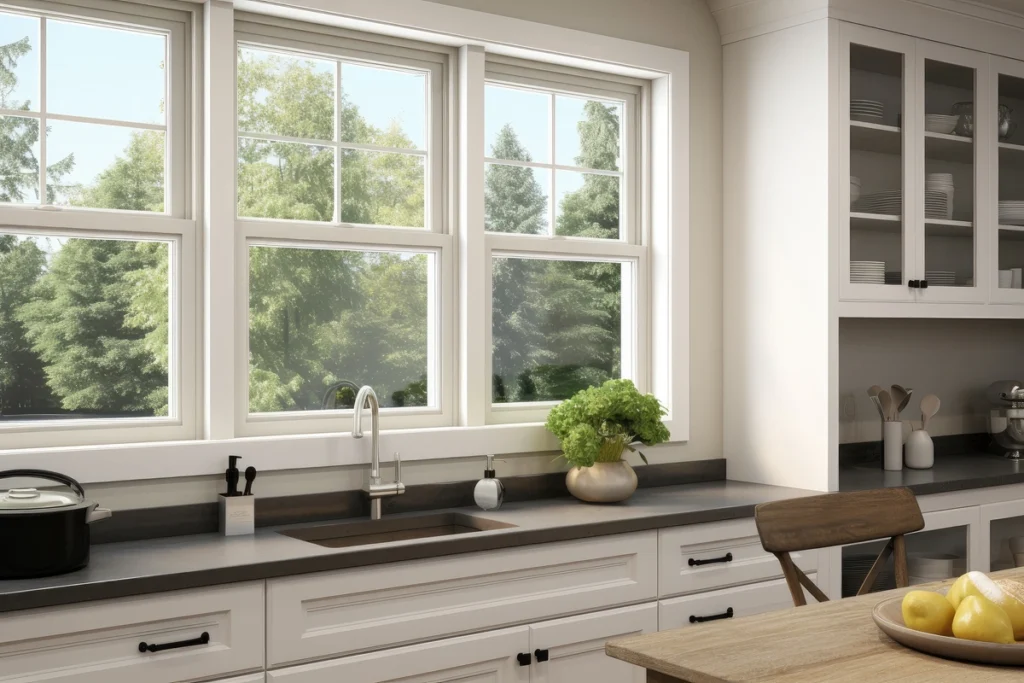
Double-glazed (dual-pane) windows contain two layers of glass separated by an air or gas-filled space. This design acts like a built-in insulator, reducing heat transfer by up to 50% compared to single-pane windows.
- Keeps warm air in during winter
- Keeps heat out during summer
- Can save up to $465/year in energy bills (Source: Energy Star)
Best for: Older homes with drafty, single-pane windows.
Low-Emissivity Coatings
Low-E coatings are ultra-thin metallic layers applied to the glass that reflect infrared heat while still letting natural light in. That means your home stays warmer in winter without sacrificing brightness.
- Blocks UV and infrared rays
- Maintains clear views with no tint
- Reduces heating needs = lower emissions
Best for: Homes with large south-facing windows or sun exposure.
Gas-Filled Windows
Instead of air between the panes, argon or krypton gas is injected between the glass layers. These inert gasses are denser than air, offering better thermal insulation.
- Slows down heat loss
- Reduces outside noise too
- Often paired with Low-E glass for even better performance
Best for: New construction or major window replacements.
4 Benefits of Proper Window Insulation
When you properly insulate your windows for winter, you’re not just sealing out the cold—you’re unlocking a range of long-term benefits for your home, wallet, and well-being.
| Benefit | How It Helps |
|---|---|
| Energy Savings | Lower monthly heating bills |
| Comfort | No cold drafts, more even temperatures |
| Sustainability | Less energy use, lower emissions |
| Noise Reduction | Blocks outside noise for peace & quiet |
Give Yourself Toasty, Energy-Efficient Home
With these pro tips and techniques, you can effectively insulate your windows for the winter season, creating a warm and energy-efficient home. Whether you opt for window insulation film kits, caulk and weatherstripping, or other creative solutions, the result will be a cozier and more comfortable living space. Plus, you’ll enjoy the added benefit of reduced energy costs and a positive impact on the environment. Don’t let winter drafts get the best of your home—take action and stay snug all season long!
Get in Touch with our expert team at Arch Exteriors today. Experience customized exterior options for any budget and lifetime warranties on all products. We’re excited to chat about your next project!


