


House Siding Colors: 9 Tips for Picking the Right Shade
 7 minutes
 December 23, 2025
 Choosing the right house siding colors may seem like a simple design decision, but it can dramatically affect your home’s curb appeal, property value, and how it feels to live there. Whether you’re planning a full exterior upgrade or refreshing the current look, picking the right shade is about more than just personal taste. It’s about harmony, longevity, and complementing the features of your home and neighborhood. The siding color you choose needs to work with your roof, trim, landscape, and architectural style. As you begin exploring options, be sure to think through how all these elements interact—starting with this helpful visual guide for home exteriors.
In this blog, you’ll learn:
- Why siding color decisions are more than cosmetic
- How to choose a shade that fits your home’s style and location
- Smart strategies for testing colors before committing
- How to avoid mismatches or regret by planning ahead
Why Siding Color Choices Matter
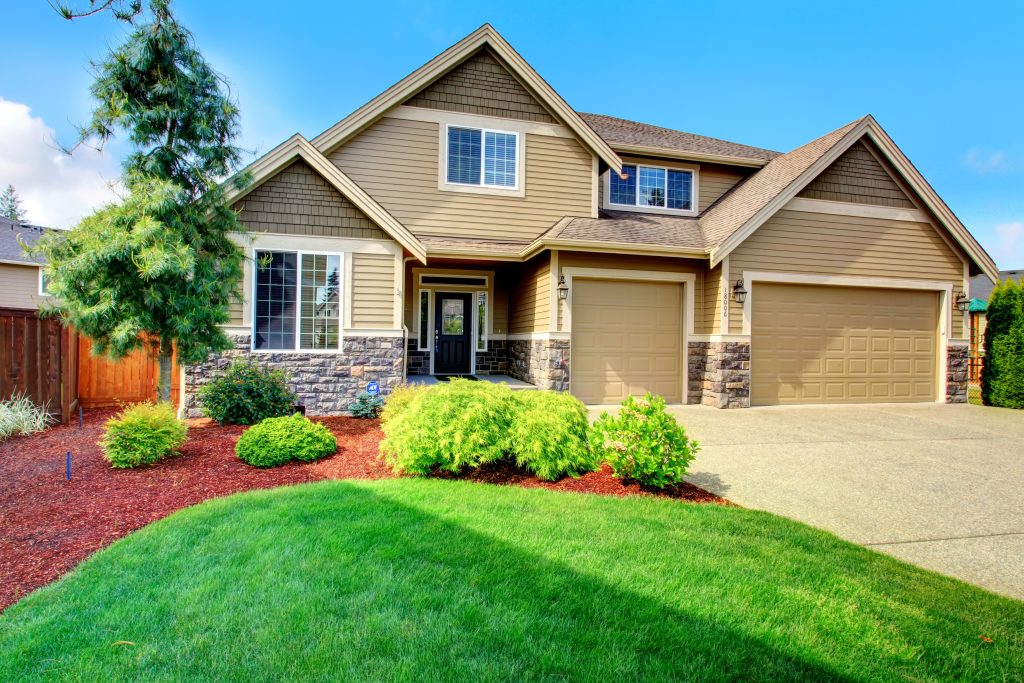
Picking your siding color isn’t just about taste—it influences how others view your home, how well your property ages, and how satisfied you’ll feel years down the road.
- Curb Appeal Boost: The right color combination draws the eye, enhances your home’s architecture, and can even make the property feel more expansive or refined.
- Higher Resale Potential: Neutral and thoughtfully chosen colors often appeal to more buyers and appraisers, which can help if you ever sell.
- Design Cohesion: The color should support the home’s style—whether that’s Craftsman, Colonial, Cape Cod, or Modern.
- Practical Performance: Lighter shades reflect heat better and can minimize fading. Darker shades might offer contrast but require careful trim pairing.
- Long-Term Enjoyment: If you choose a color based on both design logic and personal preference, you’ll be happier with it every time you come home.
9 Tips for Picking the Right House Siding Color
A siding color decision may seem daunting, but with the right strategy, you can simplify the process and make a choice you’ll be proud of.
1. Understand Your Home’s Architectural Style
Each architectural style has color schemes that naturally enhance its features.
- Colonial: Traditional whites, off-whites, grays, or muted blues reinforce its symmetry and elegance.
- Craftsman: Earth tones like sage green, brown, and deep red emphasize natural materials and handcrafted design.
- Modern Farmhouse: Crisp whites with black or dark gray accents offer clean contrast.
- Mid-Century: Think warm wood tones, sunny yellows, or soft teals for a retro-inspired look.
- Contemporary: Bold combinations like slate with wood accents or monochrome palettes can feel sleek and fresh.
Matching the tone to the home’s style helps the exterior feel consistent and timeless.
2. Complement the Roof Color
Your roof is the backdrop for your siding, so the two must work together visually.
- Gray or black roofs: Provide flexibility and support both cool and warm siding tones.
- Brown or red roofs: Often suit warm shades like tan, cream, or sage green.
- Patterned roofs (shingles with variation): Call for a simpler siding color to avoid visual clutter.
If you’re in an area like Gaithersburg and surrounding areas, consider how natural lighting and neighborhood roof styles may influence your choices.
3. Take Cues from the Landscape
Look at the environment around your home to guide your palette.
- Wooded lots: Blend in with natural greens, browns, or muted grays.
- Open fields or farmland: Brighter colors or classic whites can stand out beautifully.
- Urban neighborhoods: Sharper contrasts or bolder colors may help your home shine amid denser surroundings.
When a home harmonizes with its setting, it feels more grounded and thoughtful.
4. Observe the Lighting
Light can dramatically change how a color looks, and it varies throughout the day and year.
- Morning light: Tends to be cool and can wash out colors.
- Afternoon light: Warmer and richer, it can deepen certain tones.
- Overcast conditions: Muted colors may appear dull if not properly tested.
Be sure to apply color samples on each side of your home and review them in different lighting and weather conditions.
5. Stick With the Classics—But With a Twist
Trends can be tempting, but it’s safer to mix timeless base colors with trendy accents.
- Go classic for siding: Light gray, taupe, or soft white are perennial favorites.
- Add trend through trim: Deep navy, charcoal, or forest green can add character without overtaking the design.
- Use bold tones on smaller surfaces: Front doors, shutters, or porch ceilings are safer spots for expressive color.
This gives you design flexibility without locking into a look that may age poorly.
6. Think in Terms of Color Temperature
Not all grays or beiges are created equal—some are cool, others warm. Choose colors that match the overall tone of your fixed features like:
- Stone or brick accents
- Roofing
- Landscaping hardscape (pavers, retaining walls, walkways)
Mismatched undertones are one of the most common (and most expensive) color mistakes homeowners make.
7. Use Technology to Preview Ideas
Siding manufacturers and design platforms now offer visualization tools.
- Upload a photo of your home
- Try multiple color combinations in minutes
- Adjust roof, trim, and shutter tones too
These tools can’t replace seeing real paint in sunlight, but they’re an excellent starting point for narrowing your palette.
8. Don’t Ignore the Trim
Trim isn’t just an afterthought—it’s a framing element that can elevate or disrupt your entire palette.
- White trim: Clean and classic, it works with almost any siding color.
- Matching trim: For a modern or minimalist look, use the same color on siding and trim.
- Contrasting trim: Makes windows pop but should stay within the same color temperature as the siding.
Be intentional—trim is one of the easiest areas to get right (or wrong).
9. Consult a Pro
When in doubt, bring in a local expert who understands color in your region’s natural and built environment.
- Siding professionals can point out how lighting, shade, and material type interact with color.
- They’ll have experience with what has worked well—or poorly—in Gaithersburg and surrounding areas.
- Some may offer color renderings or full material mockups to aid in decision-making.
Even a quick consultation can save time, money, and costly repainting later.
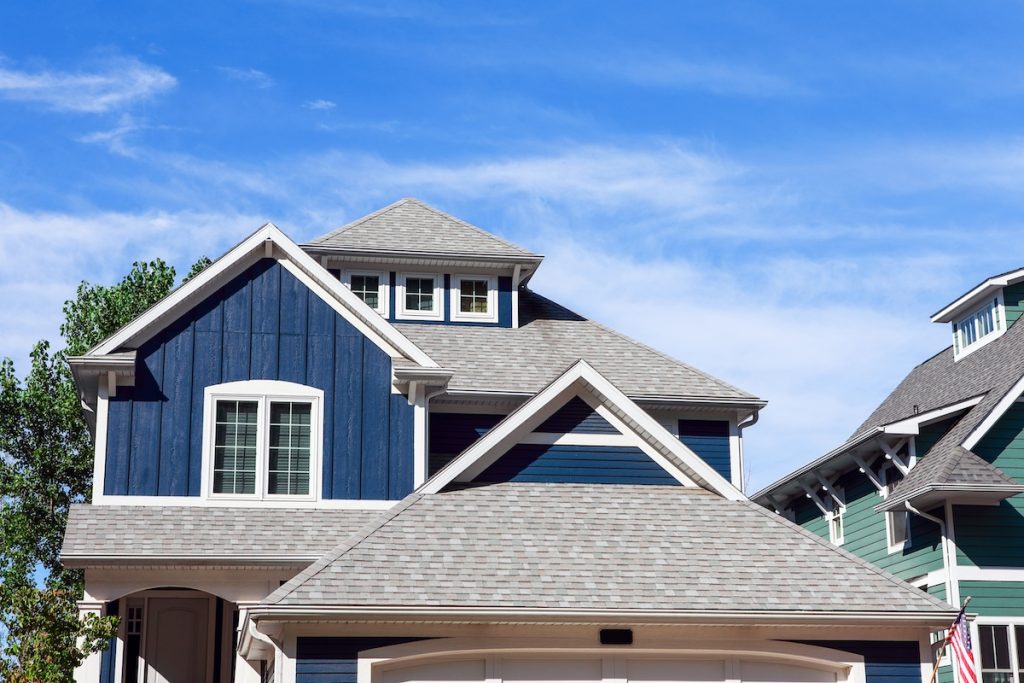
Going Beyond Just Color: Creating a Cohesive Exterior
Your home’s siding color may be the star of the show, but the supporting cast matters too.
Accent Elements to Coordinate
- Front doors: An opportunity for personality—a bold navy, cherry red, or sunshine yellow can be the perfect finishing touch.
- Garage doors: Should blend with the siding or match trim to avoid visual imbalance.
- Shutters: Best used for contrast or to repeat a color elsewhere on the home.
Hardscape and Landscape Harmony
- Pavers, mulch, and plant beds can either support or clash with your color choice.
- Coordinate tones so that your exterior feels cohesive from the siding to the lawn.
Fixtures and Finishings
- House numbers, lighting fixtures, and even mailboxes should complement the palette.
- Matte black, bronze, and brushed nickel all have different visual temperatures—match them to your trim for unity.
Comparing Popular Color Groups for Siding
Here’s a side-by-side look at how major color families perform and what styles they best suit:
| Color Family | Common Examples | Suits These Homes | Pros | Cons |
| Neutrals | Beige, gray, taupe, cream | Any style | Versatile, timeless | Can feel bland without accents |
| Cool Tones | Blue, green, soft gray | Cape Cod, Craftsman, coastal | Relaxing, nature-inspired | Might feel cold in overcast climates |
| Warm Tones | Tan, brown, gold, rust | Traditional, farmhouse | Inviting, earthy | Can clash with cooler roofs or stone |
| Bold Shades | Navy, deep red, charcoal, black | Modern, urban | High contrast, memorable | Risk of fading or dating quickly |
Choose a family that reflects both your style and the practical needs of your region and neighborhood.

Color Confidence Starts With a Plan
Picking the perfect siding color isn’t about chasing trends—it’s about creating a home exterior that feels thoughtful, durable, and true to you. From your roof to your front steps, every element plays a role. When those elements work together, the results are stunning—and lasting.
If you’re exploring options for a home upgrade in Gaithersburg and surrounding areas, Arch Exteriors can help you narrow down your color palette and find siding materials that bring your vision to life. Whether you’re looking for classic curb appeal or a bold modern refresh, contact us today to get expert guidance from the team at Arch Exteriors.


