


Hardie Board Siding vs Vinyl: 6 Key Differences Explained
 7 minutes
 December 30, 2025
 Choosing the right exterior siding is one of the most impactful decisions you’ll make for your home’s appearance, durability, and value. Among today’s most popular options are Hardie board siding and vinyl siding—two materials with very different benefits, aesthetics, and performance profiles. Whether you’re planning a new build or upgrading your exterior in Rockville and surrounding areas, understanding the differences between these two can help you make a smart, lasting investment. If you’re exploring ideas to refresh your home’s curb appeal, start by checking out the material options and styles available on our home exteriors page.
In this blog, you’ll learn:
- What sets Hardie board apart from vinyl in design and performance
- How each material holds up to Maryland weather conditions
- What to expect in terms of cost, maintenance, and durability
- How to decide which option works best for your home style and budget
Why the Right Siding Choice Matters
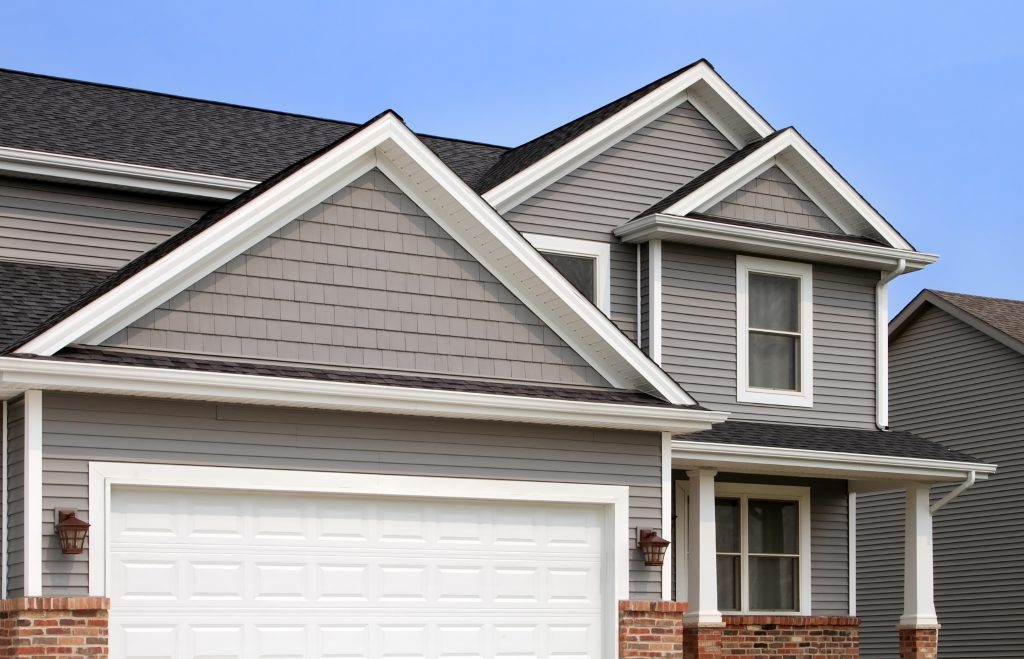
Siding isn’t just about looks—it’s a functional component of your home that plays a big role in performance, value, and protection. Understanding the stakes behind your siding choice will help you make a decision you won’t regret.
- Curb Appeal: Siding is one of the first things people notice about a home. The right material can modernize the appearance, match your architectural style, and improve resale value.
- Longevity: Choosing a siding product that’s built to last can save you from premature repairs, fading, or replacement costs.
- Weather Resistance: Maryland homes, including those in Rockville and surrounding areas, need siding that stands up to wind, humidity, heat, and cold.
- Maintenance Load: Some siding materials require very little care, while others need more attention to keep looking their best.
- Return on Investment: High-quality siding can yield long-term value in both energy savings and market appeal.
6 Key Differences Between Hardie Board and Vinyl Siding
Both Hardie board and vinyl are widely used, but they differ greatly in what they offer. Here’s how they compare across the six areas that matter most to homeowners.
1. Material Composition
The core difference between these two options lies in what they’re made of.
- Hardie Board: A fiber cement product made from a mix of sand, cement, water, and cellulose fibers. It’s extremely dense, solid, and engineered to mimic the look of real wood.
- Vinyl Siding: A plastic-based material (PVC) that’s lightweight and hollow in structure. It’s flexible and widely used because of its affordability and ease of installation.
If authenticity and strength are priorities, Hardie board delivers. If weight and cost are your main concerns, vinyl has the edge.
2. Appearance and Style Options
Curb appeal is a major reason people invest in new siding. Each material offers a distinct look and variety of design choices.
- Hardie Board:
- Offers deep shadow lines and textures that closely resemble real wood
- Available in horizontal lap, board-and-batten, shingle, and panel styles
- Factory-painted options like ColorPlus Technology provide baked-on finishes in a wide range of colors
- Vinyl Siding:
- Lightweight and typically flatter in appearance
- Available in a broad color palette but may fade more quickly over time
- Less convincing wood-grain texture compared to fiber cement
Homeowners who want a premium, wood-like finish often prefer Hardie board, while vinyl remains popular for its broad color range and modern simplicity.
3. Durability and Weather Resistance
In Maryland’s four-season climate, durability is essential. Siding must hold up to humidity, freeze-thaw cycles, summer heat, and windstorms.
- Hardie Board:
- Non-combustible and resistant to fire, pests, and moisture
- Holds up well against hail, flying debris, and wind gusts
- Won’t warp or melt from heat exposure
- Requires professional installation due to its weight
- Vinyl Siding:
- Can crack or become brittle in cold temperatures
- May warp or melt near heat sources like grills or reflective windows
- Lightweight design is more susceptible to wind damage
- Requires proper insulation underneath to avoid buckling
If long-term resilience is your top concern, especially in Rockville and surrounding areas where temperature swings are common, Hardie board offers superior protection.
4. Maintenance Requirements
Every siding option requires some level of upkeep, but there’s a difference in what that looks like year after year.
- Hardie Board:
- Needs repainting every 10–15 years (unless using pre-finished ColorPlus)
- Should be power washed annually to remove mildew and dirt
- Caulking and sealing joints is important to prevent moisture issues
- Vinyl Siding:
- Low-maintenance overall; doesn’t need repainting
- Easy to clean with a hose or light power wash
- Vulnerable to mold growth in shaded areas
For homeowners looking for the absolute lowest effort, vinyl wins here. But if you’re okay with occasional maintenance in exchange for more durability and beauty, Hardie board remains a strong contender.
5. Installation Process
Installation affects your timeline, labor costs, and overall project outcome.
- Hardie Board:
- Heavier and more labor-intensive
- Requires specialized tools and expertise
- Installers must follow manufacturer guidelines to maintain the product warranty
- Vinyl Siding:
- Lightweight and quicker to install
- Can be installed by a wider range of general contractors
- Ideal for rapid turnarounds or budget-friendly exterior projects
While vinyl may be easier to work with, installing Hardie board properly adds long-term value when done by a qualified team.
6. Cost Considerations
Budget plays a central role in choosing siding. The two options fall into different price categories.
- Hardie Board:
- Higher upfront cost for materials and labor
- Lower lifetime maintenance costs due to its durability
- Adds resale value and often favored in upscale homes
- Vinyl Siding:
- Budget-friendly material and labor cost
- May require earlier replacement depending on weather exposure
- Limited return on investment in some markets
For homeowners focused on long-term value and visual impact, Hardie board often justifies the extra cost.
Additional Considerations to Help You Choose
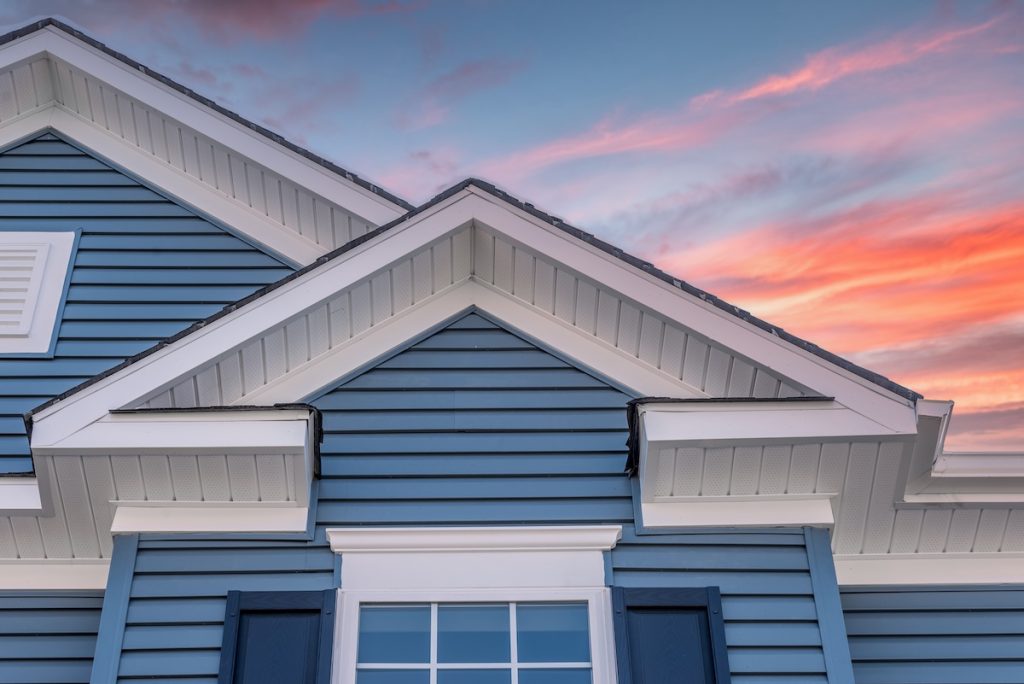
Beyond the core differences, there are other factors worth evaluating before committing to a siding material.
Home Style and Neighborhood Standards
- Older or historic homes in Rockville and surrounding areas may benefit from Hardie board’s authentic look
- Newer developments may allow for greater flexibility in style, making vinyl an appropriate choice
Environmental Impact
- Hardie board is more eco-conscious due to its cement and cellulose composition
- Vinyl production involves more chemicals and petroleum-based components
Warranty Coverage
- Hardie board often includes a 30-year limited warranty
- Vinyl siding warranties vary, with some offering lifetime coverage (often prorated)
Resale Appeal
- Real estate agents often note that buyers are more impressed by fiber cement than vinyl
- The material choice may influence buyer perception, even if costs differ
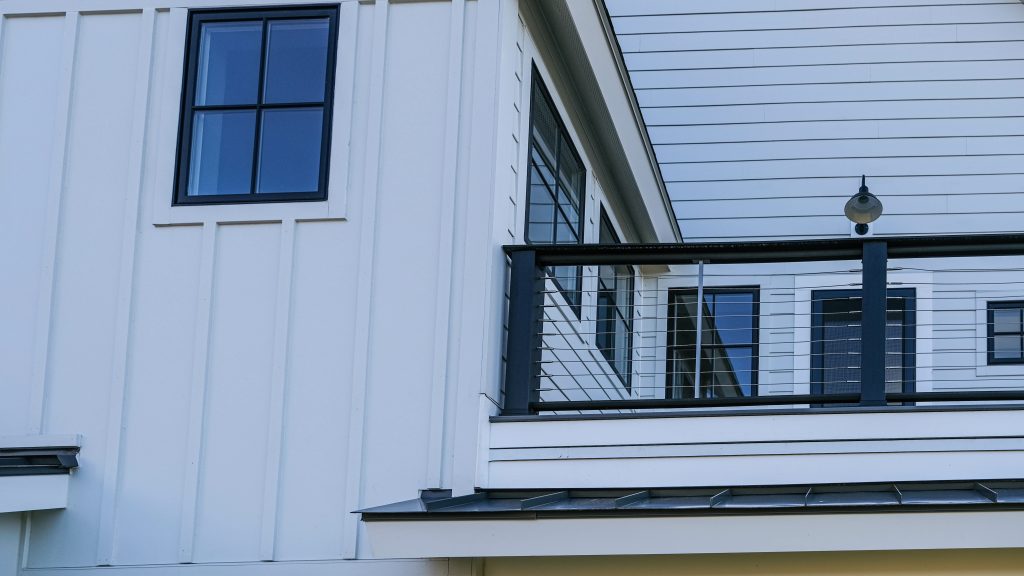
Quick Comparison Table
Here’s a side-by-side breakdown of key features:
| Feature | Hardie Board Siding | Vinyl Siding |
| Material | Fiber cement | PVC (plastic) |
| Appearance | Wood-like, textured | Smooth or light texture |
| Durability | Extremely high | Moderate |
| Fire Resistance | Non-combustible | Can melt or burn |
| Maintenance | Moderate (cleaning + paint) | Low (mostly just cleaning) |
| Installation | Labor-intensive | Quick and easy |
| Cost | Higher upfront | Budget-friendly |
| Environmental Impact | More sustainable | Less eco-friendly |
| Ideal For | Long-term homeowners | Budget-conscious projects |
Making the Best Choice for Your Home
At the end of the day, the right siding for your home depends on your goals, your style, and your budget. If you want a premium, durable product that elevates your home’s architecture and stands up to harsh weather, Hardie board is a standout choice. If affordability and low maintenance are more important to you, vinyl siding may be the better fit.
For homes in Rockville and surrounding areas, both materials offer advantages—but the long-term investment potential of Hardie board makes it a popular option for those looking to boost curb appeal and durability.
Still unsure which siding is right for your project? The team at Arch Exteriors can help. We work with homeowners across Maryland to design and install siding that lasts, performs, and enhances the beauty of your home. Whether you’re just starting to explore options or ready for a quote, contact us today to schedule a consultation with Arch Exteriors.


