


Cedar Siding Boards vs Vinyl: 7 Key Differences
 6 minutes
 December 16, 2025
 When considering options for your home’s exterior, choosing the right siding material is crucial. The decision can impact your home’s aesthetic, durability, maintenance demands, and overall value. One popular choice among homeowners is cedar siding boards. Understanding how cedar siding compares to vinyl is essential if you want to make an informed choice that suits your style and budget. For a deeper dive into siding options and professional installation, you might want to explore local siding services available in your area.
- Discover why cedar siding boards remain a top choice for homeowners
- Learn the main differences between cedar and vinyl siding
- Understand the pros and cons of cedar siding boards
- Explore maintenance, cost, and environmental impact factors
- Gain insight on how to choose the right siding material for your home
Why Cedar Siding Boards Matter in Exterior Design
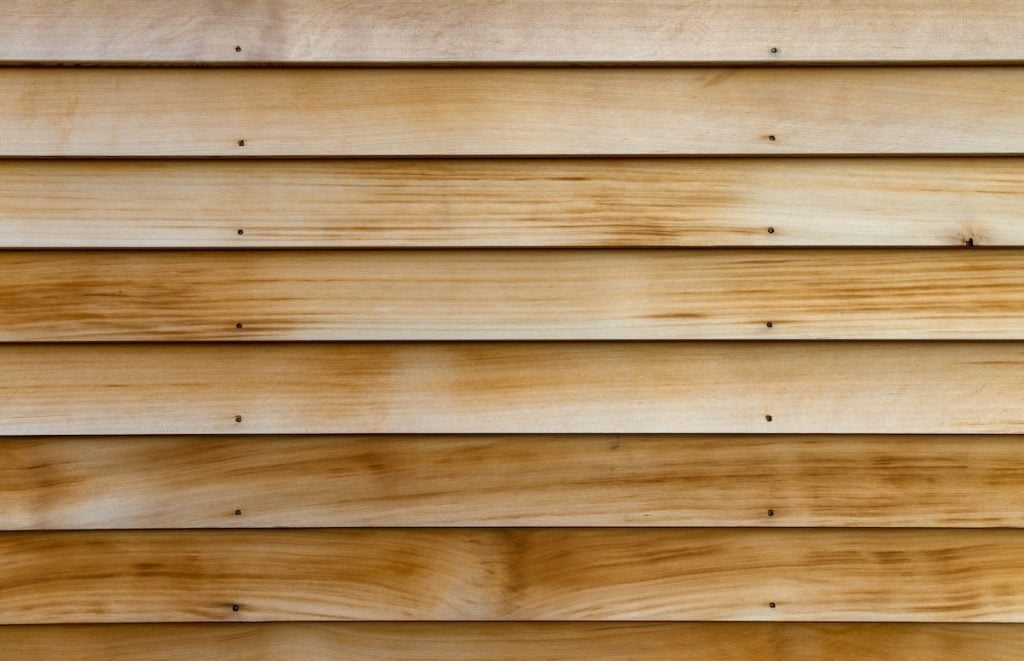
Cedar siding boards offer more than just protection from the elements; they offer a unique character and natural appeal that can enhance your home’s curb appeal for years to come. Their influence goes beyond appearance:
- Natural Beauty: Cedar siding has a rich, warm texture and color that ages gracefully, adding distinction to any home style.
- Durability: When maintained properly, cedar can last decades thanks to its natural resistance to weather and insects.
- Insulation: Wood provides excellent thermal insulation, helping to regulate indoor temperatures.
- Eco-Friendly: Cedar is a renewable resource with a lower environmental impact compared to many synthetic siding options.
- Versatility: Cedar boards can be painted or stained with ease, allowing customization to fit various design preferences.
7 Key Differences Between Cedar Siding Boards and Vinyl Siding
Understanding how cedar siding boards differ from vinyl helps homeowners choose the right material based on durability, aesthetics, cost, and long-term performance. Below are seven major distinctions to consider when evaluating these two popular siding options.
1. Material Composition and Overall Appearance
The core makeup of each material greatly influences how it looks and performs.
- Cedar offers natural grain patterns, warm tones, and an authentic, organic appearance.
- Vinyl is made from PVC, providing uniformity and a wide color selection but often lacks the richness of real wood.
2. Durability and Weather Resistance
Each siding type responds differently to climate and environmental stress.
- Cedar naturally resists decay and pests, though damp climates may require additional treatments.
- Vinyl doesn’t rot or attract insects, but extreme heat or cold can cause cracking, warping, or fading.
3. Maintenance and Upkeep
Long-term care varies significantly and can influence overall satisfaction.
- Cedar needs regular staining or painting plus periodic inspections to stay protected.
- Vinyl requires minimal upkeep, with simple occasional cleaning to prevent mildew or dirt buildup.
4. Installation Requirements
The installation process affects both cost and project timeline.
- Cedar often demands skilled carpentry, precise cutting, and careful sealing.
- Vinyl installs more quickly with interlocking panels that reduce labor time and complexity.
5. Cost and Long-Term Value
Budget considerations include both initial investment and ongoing maintenance.
- Cedar generally costs more upfront and requires additional maintenance expenses over the years.
- Vinyl is typically more affordable initially and remains cost-effective long term due to low maintenance needs.
6. Environmental Impact
Material sustainability plays an important role in eco-conscious building decisions.
- Cedar is biodegradable and renewable when harvested responsibly.
- Vinyl is petroleum-based and raises environmental concerns during manufacturing and disposal.
7. Lifespan and Aging Characteristics
How each siding material ages can impact curb appeal and durability.
- Cedar weathers over time, developing a natural silvery patina if left untreated.
- Vinyl retains its manufactured appearance but may fade or discolor depending on sun exposure and quality.
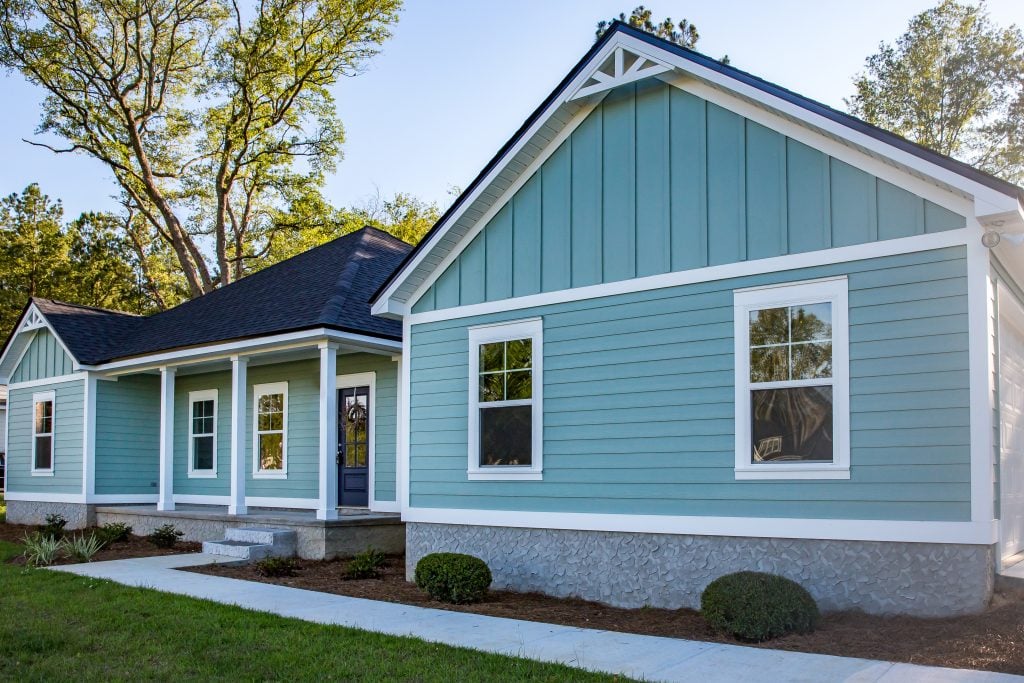
Maintenance Tips for Cedar Siding Boards
Proper care can significantly extend the life and appearance of your cedar siding. Here are essential maintenance practices to ensure your siding remains in top condition.
- Regular Cleaning: Use a mild detergent and water to remove dirt and mildew from the siding surface annually.
- Inspect for Damage: Check for cracks, splits, or insect damage biannually, especially after severe weather.
- Staining & Sealing: Apply a protective stain or sealant every few years to maintain moisture resistance and color vibrancy.
- Repaint as Needed: If you prefer painted cedar siding, repainting every 5-7 years will keep it protected and looking fresh.
- Trim Surrounding Vegetation: Keep bushes and trees trimmed away from the siding to prevent moisture retention and insect infestation.
Comparing Longevity and Aesthetic Appeal
Choosing between cedar and vinyl siding often comes down to a balance between longevity, look, and personal preference. The following table highlights some comparative factors.
| Factor | Cedar Siding | Vinyl Siding |
| Average Lifespan | 30-50 years with maintenance | 20-40 years |
| Visual Appeal | Natural, authentic wood grain | Uniform, synthetic appearance |
| Maintenance | Regular staining or painting required | Minimal cleaning required |
| Energy Efficiency | Provides natural insulation | Limited insulation properties |
| Environmental Impact | Renewable and biodegradable | Non-biodegradable, petrochemical-based |
Making the Best Choice for Your Home
Deciding on cedar siding boards versus vinyl largely depends on your priorities for beauty, durability, maintenance, and budget. Here are additional considerations to help you choose the ideal siding material for your property:
Climate and Exposure
If you live in an area with high humidity or frequent rain, cedar siding will require more care to prevent moisture-related issues, whereas vinyl may be more resistant in such environments.
Home Style and Neighborhood
Cedar siding offers a timeless, natural look that fits well with traditional and craftsman-style homes. Vinyl siding might be more common in contemporary or budget-conscious neighborhoods.
Investment and Resale Value
While cedar siding may cost more upfront and require upkeep, it can enhance the value of your home thanks to its premium appearance and durability. Vinyl siding may appeal to buyers seeking lower maintenance homes.
Customization Options
Cedar siding boards allow you to change color through staining or painting over time, whereas vinyl siding color selection is limited to what is manufactured, and colors cannot be altered post-installation without replacement.
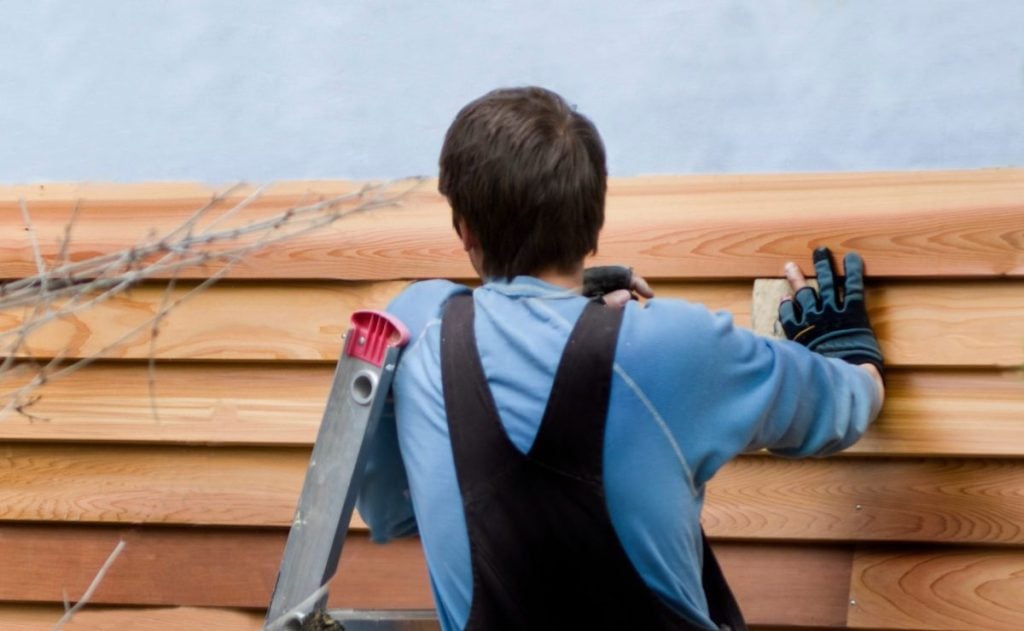
Cedar Siding Board To Enhance Your Home
Your home deserves a siding solution that offers both beauty and reliable protection. Choosing cedar siding boards provides natural elegance, excellent insulation, and environmental benefits that vinyl siding cannot match. While vinyl offers lower upfront costs and maintenance, the warmth and unique character of cedar can significantly enhance your home’s curb appeal and long-term value. For expert advice tailored to your property and professional siding installation services, contact us today at Arch Exteriors to discuss your project in detail.


