


Cedar Shake Siding (5 Pros, Cons & 2026 Design Tips)
 7 minutes
 February 3, 2026
 Homeowners looking to make a bold, timeless statement often find themselves drawn to the rustic charm and texture of cedar shake siding. With its natural beauty and unique character, it’s a popular choice for exterior upgrades that combine tradition with curb appeal. If you’re exploring natural or wood-look materials, you may want to review how different profiles and finishes compare by taking a closer look at these home exterior options.
- The biggest advantages and drawbacks of cedar shake siding
- How to decide if it fits your home’s needs and climate
- Expert design and care tips for 2026 style and performance
Why Cedar Shake Siding Remains a Popular Choice
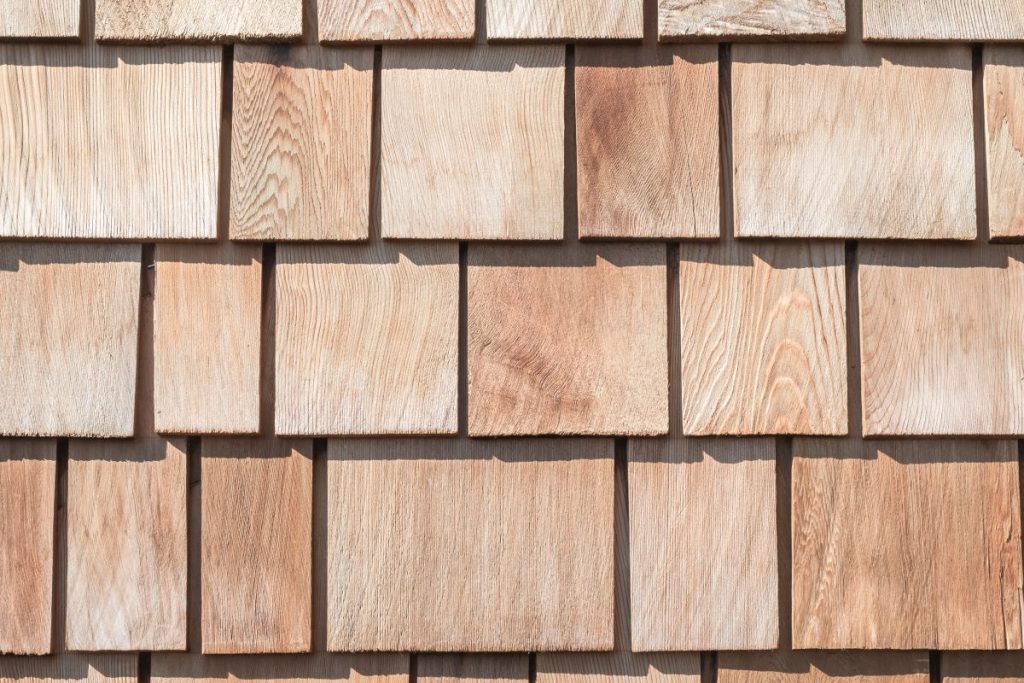
Cedar shake siding has been used in American homebuilding for centuries, and it’s still going strong today. While some trends fade, this one remains because it offers benefits few other siding types can match—especially for homes in areas like Silver Spring and surrounding areas.
- Timeless Visual Appeal: The texture and variation in each shake give homes a handcrafted, authentic look that’s hard to replicate.
- Natural Durability: Cedar is naturally resistant to rot, insects, and moisture—especially when maintained properly.
- Versatile Finishing Options: Whether left to weather naturally or stained in bold colors, cedar shake works well with a wide variety of architectural styles.
- Eco-Friendly Option: Cedar is renewable, biodegradable, and often harvested sustainably, making it attractive to environmentally conscious homeowners.
- Adds Resale Appeal: Many buyers are willing to pay more for the aesthetic and craftsmanship of natural wood siding.
5 Key Pros and Cons of Cedar Shake Siding
Like any material, cedar shake siding comes with strengths and limitations. Understanding both sides will help you decide if it’s the right investment for your home.
1. Pro: Distinctive Curb Appeal
Cedar shake offers a depth of character that manufactured materials struggle to replicate. Each shake is slightly different, creating a textured appearance that’s rich and dimensional.
- Works especially well on Cape Cod, Colonial, and Craftsman-style homes
- Available in hand-split or taper-sawn varieties for different aesthetics
- Ages gracefully when left to weather, turning a silver-gray patina over time
2. Con: Higher Maintenance Requirements
Unlike vinyl or composite siding, cedar shake must be cleaned and resealed every few years to protect against moisture, UV damage, and pests.
- Regular power washing and re-staining or painting is necessary
- Unmaintained cedar can warp, crack, or absorb moisture
- It’s not ideal for homeowners who want a fully hands-off material
3. Pro: Strong Insulation Properties
Wood is a natural insulator. Cedar shake adds another layer of thermal resistance to your home, which can help reduce heating and cooling demands.
- Helps maintain indoor temperatures more efficiently
- Reduces outside noise better than thin or hollow siding materials
- Can be paired with foam backer panels for even greater performance
4. Con: Higher Upfront Cost
Real cedar shake siding costs more than vinyl, fiber cement, or engineered wood. However, many homeowners view the cost as a worthwhile tradeoff for the unique aesthetic and resale appeal.
- Installation is more labor-intensive than other options
- Quality cedar is priced at a premium due to its limited availability
- Long-term maintenance costs should also be factored in
5. Pro: Customization and Visual Flexibility
Cedar can be painted or stained virtually any color, allowing homeowners to change the look over time. Its natural wood texture adds interest to any palette.
- Great for two-tone color schemes or architectural accents
- Combines well with stone, brick, and board-and-batten details
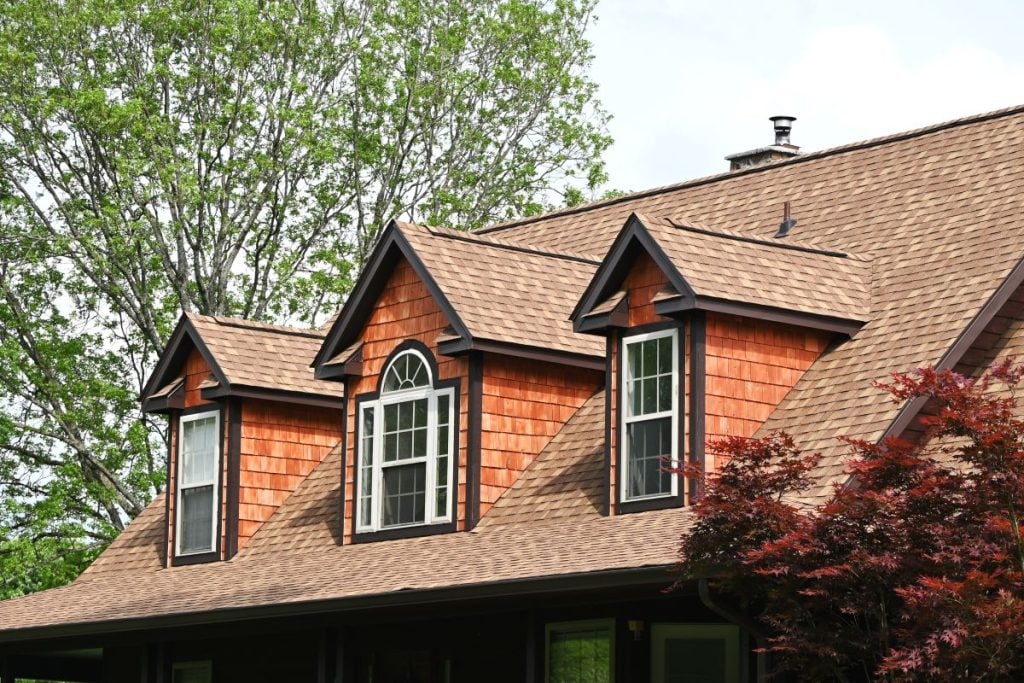
- Can be used for entire facades or simply gables and dormers
Design Tips for Cedar Shake Siding in 2026
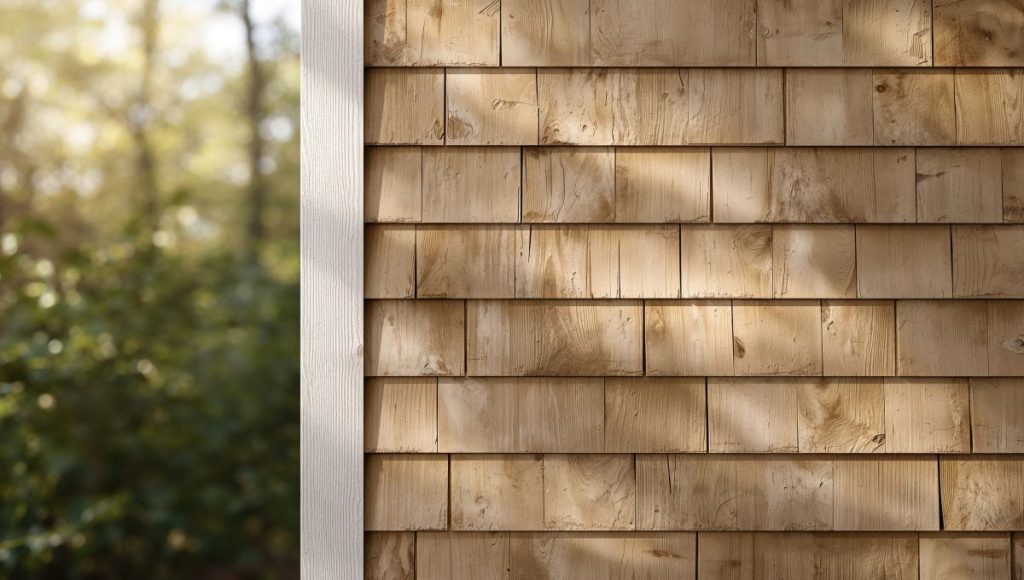
If you’re leaning toward cedar shake siding, here are design ideas that pair well with current home trends while preserving the timeless quality cedar offers.
Use It as a Statement Material
Rather than wrapping the entire home in shakes, many homeowners use it selectively to highlight key architectural features.
- Accent gables and dormers
- Blend with lap siding or fiber cement panels
- Create contrast with painted trim and dark window frames
Choose the Right Cut for the Look You Want
Not all cedar shakes are the same. The cut and finish you choose can dramatically alter the final appearance.
- Hand-Split Shakes: Rugged and irregular—great for rustic or historic homes
- Taper-Sawn Shakes: Smoother and more uniform—ideal for clean-lined designs
- Shingles vs. Shakes: Shingles are machine-cut and thinner, while shakes are thicker and more textured
Stain vs. Paint vs. Natural Weathering
Each finish type has visual and maintenance implications.
- Staining: Enhances wood grain and provides UV protection without hiding texture
- Painting: Offers bolder color options but requires more frequent upkeep
- Natural Aging: Creates a soft gray tone over time but must still be sealed periodically
Mix Textures for a Modern Feel
Pair cedar shake with metal roofing, concrete accents, or matte black fixtures to create a fresh twist on a classic exterior. In areas like Silver Spring and surrounding areas, this combination balances tradition and modernity perfectly.
Cedar Shake vs. Lookalike Alternatives
If you love the look of cedar shake but need a lower-maintenance or more budget-friendly option, there are several engineered products that replicate the appearance with added durability.
| Feature | Natural Cedar Shake | Fiber Cement Shake (e.g., HardieShingle) | Vinyl Shake (e.g., CertainTeed Cedar Impressions) |
| Appearance | Highly authentic | Very close imitation | Good at a distance |
| Maintenance | High | Low to moderate | Low |
| Lifespan | 25–30 years with care | 30–50 years | 20–30 years |
| Cost | $$$ | $$ | $ |
| Paint/Stain Options | Yes | Limited | Limited |
| Environmental Impact | Renewable | Recyclable | Mixed (depends on brand) |
These alternatives are worth exploring if you want the look without the upkeep. Many homeowners in Silver Spring and surrounding areas choose to use natural cedar for front-facing sections and use fiber cement or vinyl on the sides and rear.
Common Mistakes to Avoid When Choosing Cedar Shake
While cedar shake can elevate your home’s look and value, there are a few things to avoid during planning and installation:
- Skipping Professional Installation: Cedar shakes require precision spacing and flashing to prevent water intrusion. DIY installation can lead to early failure.
- Choosing Low-Grade Cedar: Not all cedar is created equal. Look for clear or #1 grade for the best longevity and appearance.
- Neglecting Ventilation Behind Siding: Proper airflow behind the shakes prevents moisture buildup, especially in humid climates.
- Underestimating Maintenance Needs: Even pre-stained shakes will need upkeep. Plan for touch-ups and inspections every few years.
- Mixing Materials Poorly: If you’re combining materials (like stone and shake), ensure the proportions and color palette feel intentional, not random.
Cedar Shake in Silver Spring and Surrounding Areas
Homes in Silver Spring and surrounding areas range from traditional bungalows to modern farmhouses. Cedar shake complements both styles beautifully, especially when combined with fresh trim and updated roofing. Given the seasonal temperature swings and occasional humidity, it’s important to ensure cedar siding is installed properly and maintained regularly.
Local buyers appreciate homes that showcase authentic materials, especially when they’re well cared for. If you’re planning to sell in the next few years, upgrading your siding—or even just the front-facing gables—with cedar shake can offer a visual edge over other listings.
Ready to Elevate Your Home With Cedar Shake?
There’s no denying the timeless charm and value that cedar shake siding brings to a home’s exterior. Whether you’re drawn to its classic look or the opportunity to customize your curb appeal, it’s a siding option that blends beauty with long-term performance. For help comparing products or planning your project, contact us today and let Arch Exteriors guide you through your next siding upgrade.


